R·卡尔德科特的第一本图画和歌曲集(R. Caldecott's First Collection of Pictures and Songs)
章节大纲
-
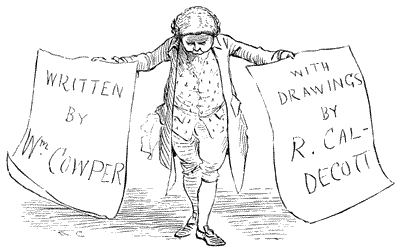
R. CALDECOTT’S
first collection of
PICTURES AND SONGS
CONTAINING
THE DIVERTING HISTORY OF JOHN GILPIN
THE HOUSE THAT JACK BUILT
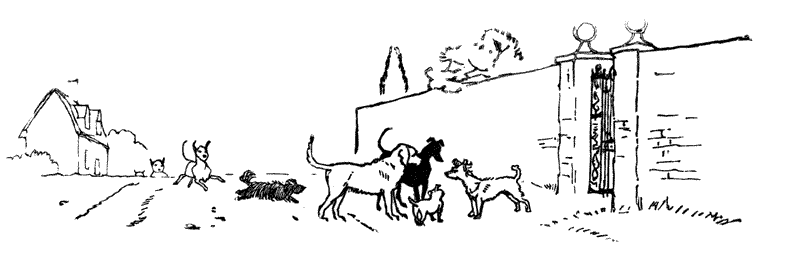
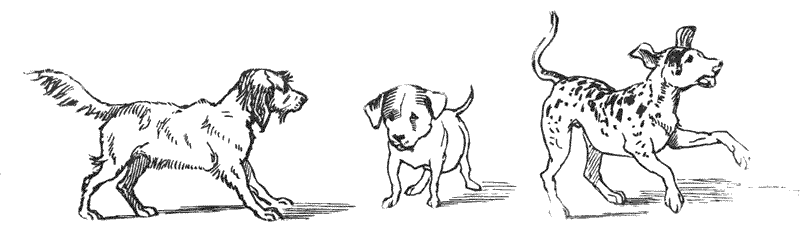
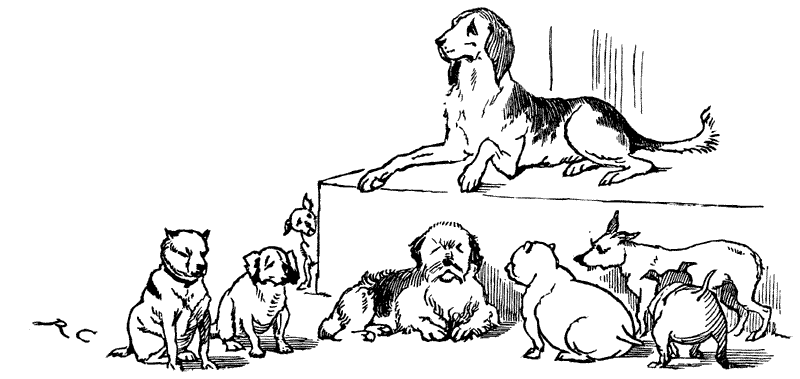
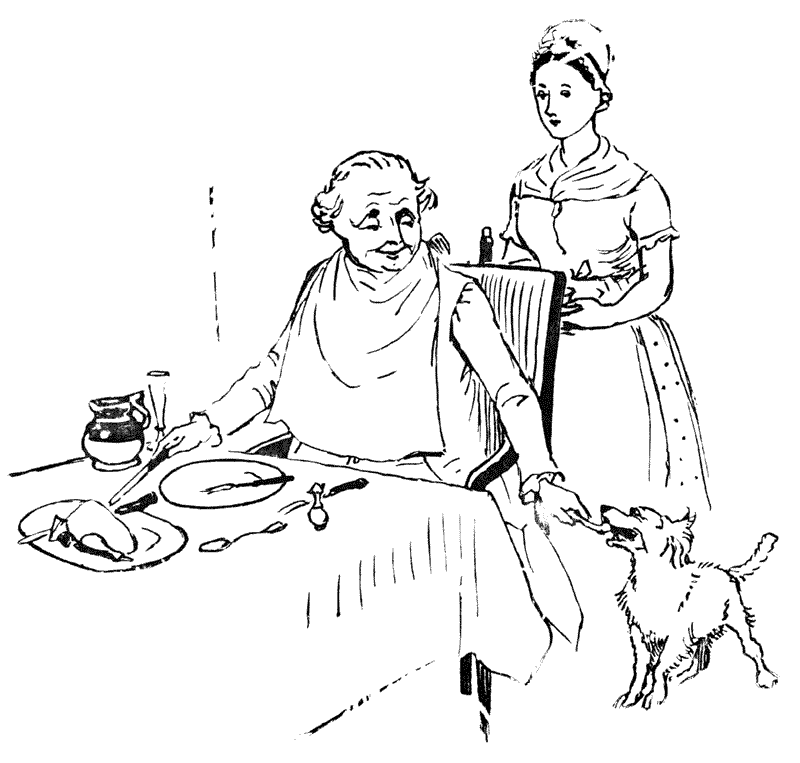
AN ELEGY ON THE DEATH OF A MAD DOG
THE BABES IN THE WOOD
THE THREE JOVIAL HUNSTMEN
SING A SONG FOR SIXPENCE
THE QUEEN OF HEARTS
THE FARMER’S BOY
LONDON
FREDERICK WARNE AND CO., LTD.
AND NEW YORK
PRINTED IN GREAT BRITAIN
-
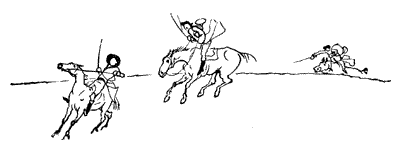
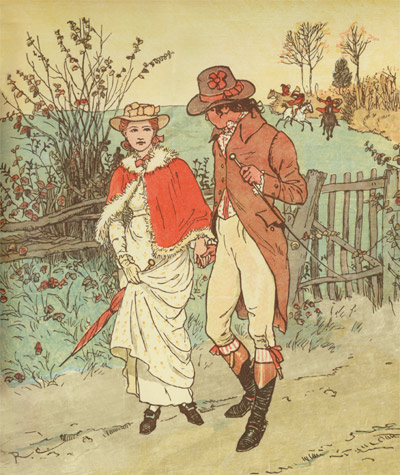
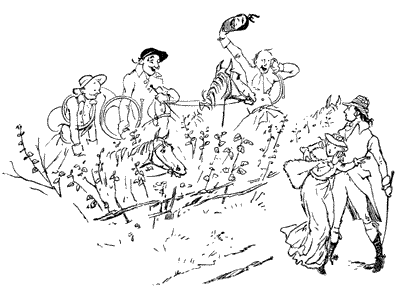
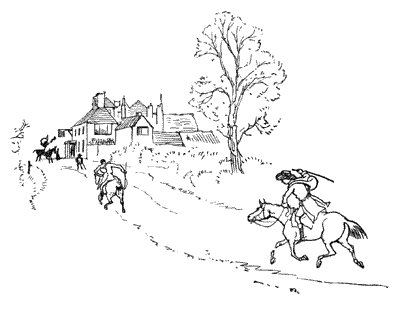
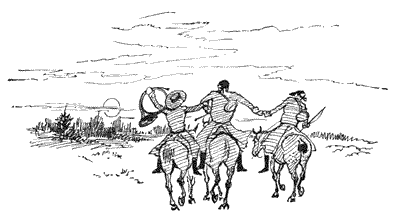
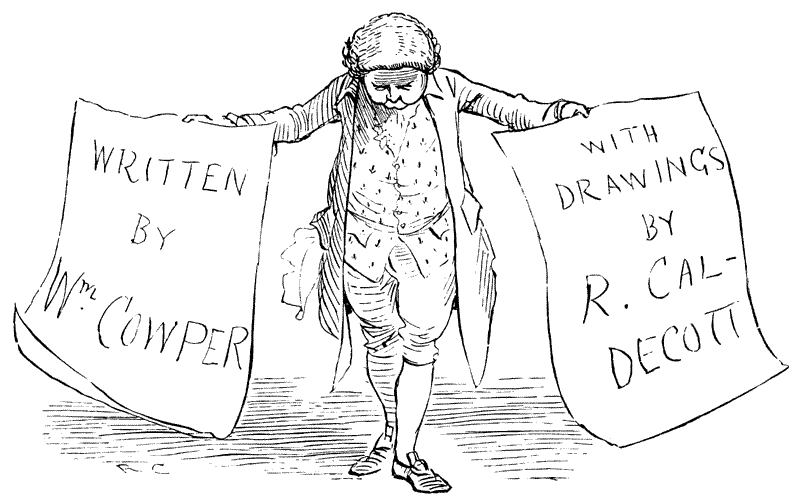
THE DIVERTING HISTORY OF JOHN GILPIN:
Showing how he went father than he intended, and came safe home again.
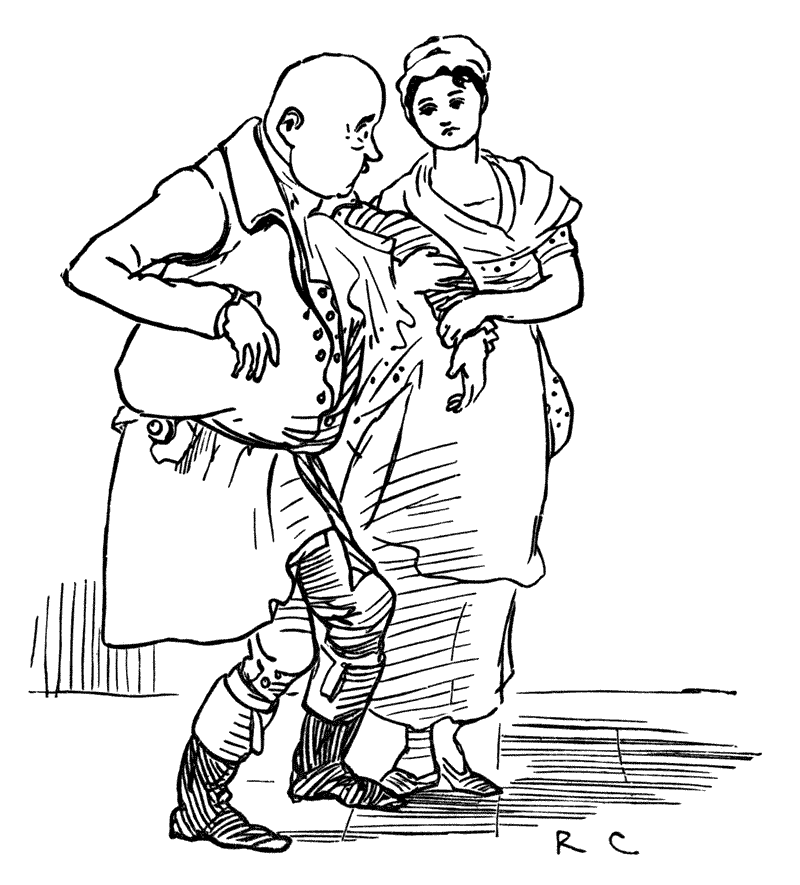
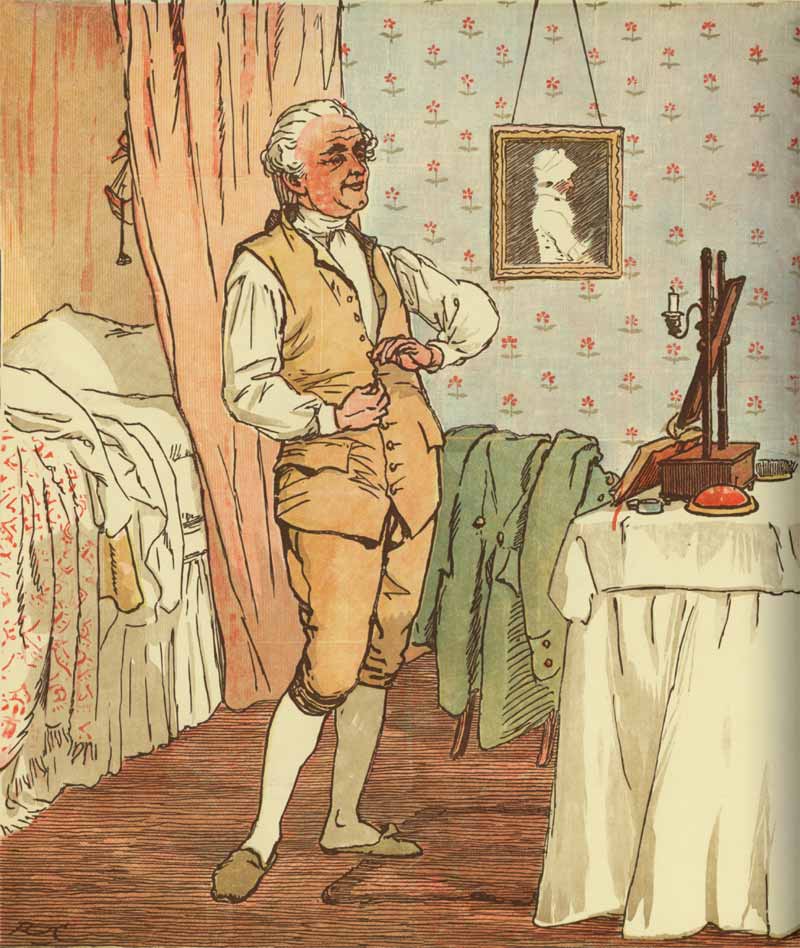
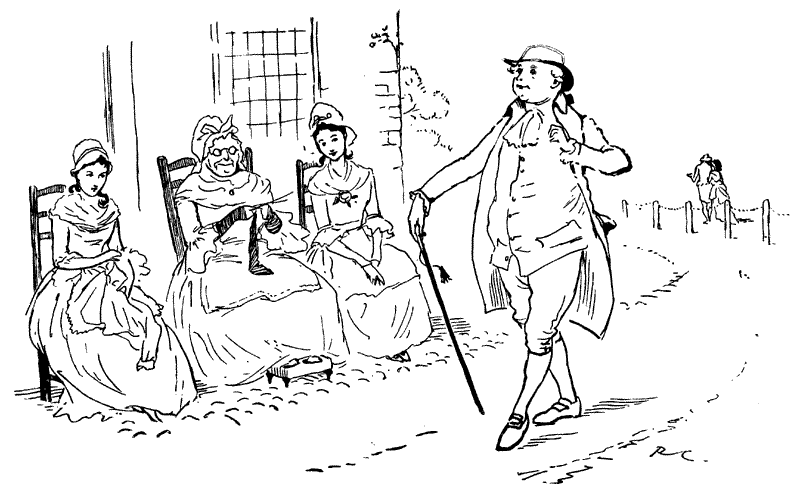
JOHN GILPIN was a citizen
Of credit and renown,
A train-band captain eke was he,
Of famous London town.
John Gilpin’s spouse said to her dear,
“Though wedded we have been
These twice ten tedious years, yet we
No holiday have seen.
“To-morrow is our wedding-day,
And we will then repair
Unto the “Bell” at Edmonton,
All in a chaise and pair.
“My sister, and my sister’s child,
Myself, and children three,
Will fill the chaise; so you must ride
On horseback after we.”
He soon replied, “I do admire
Of womankind but one,
And you are she, my dearest dear,
Therefore it shall be done.
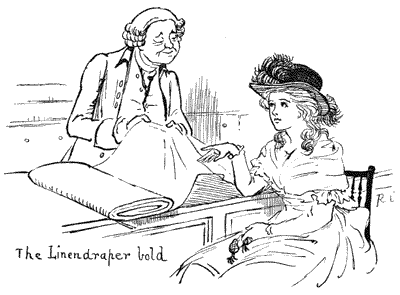
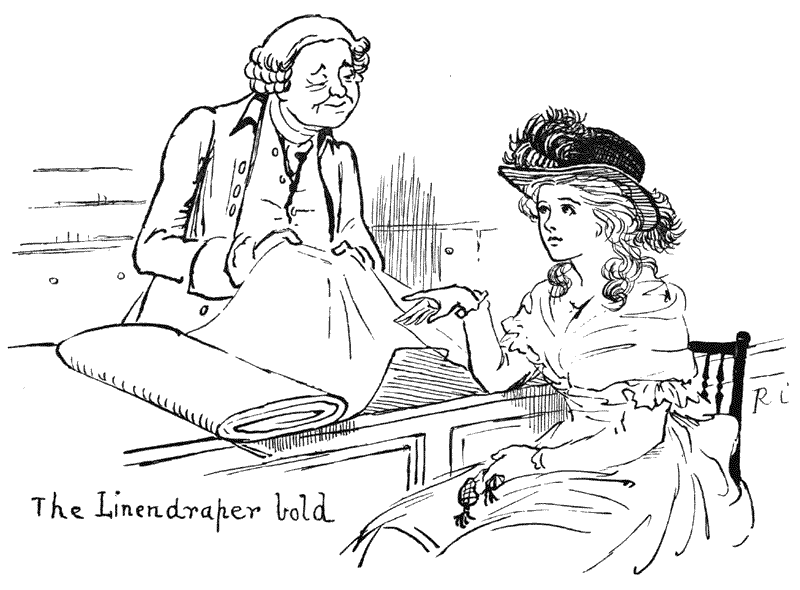
“I am a linendraper bold,
As all the world doth know,
And my good friend the calender
Will lend his horse to go.”
Quoth Mrs. Gilpin, “That’s well said;
And for that wine is dear,
We will be furnished with our own,
Which is both bright and clear.”
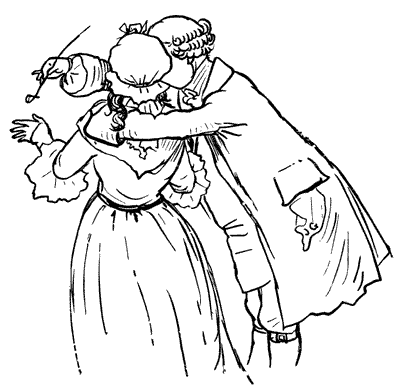
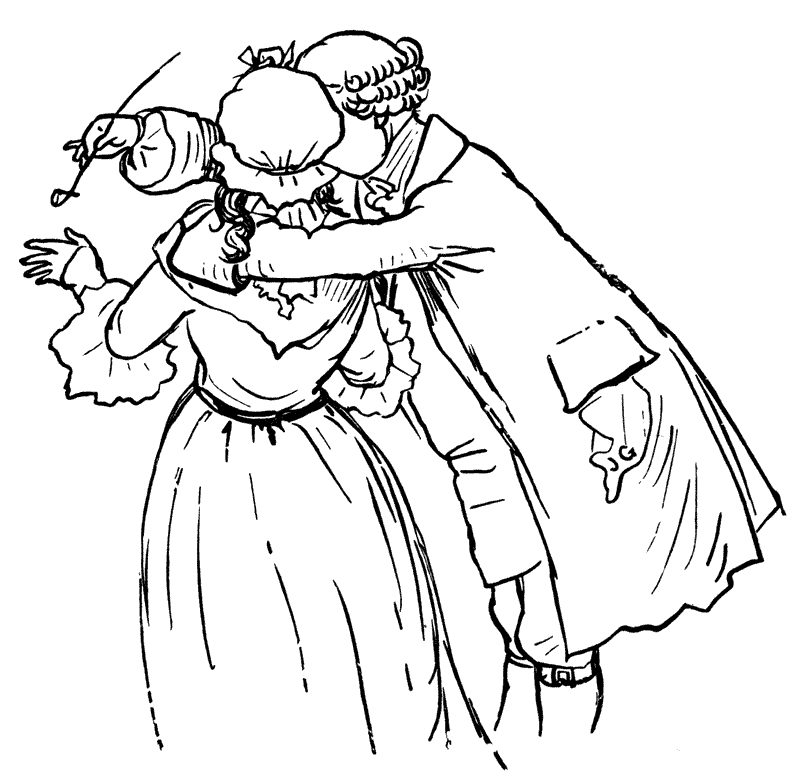
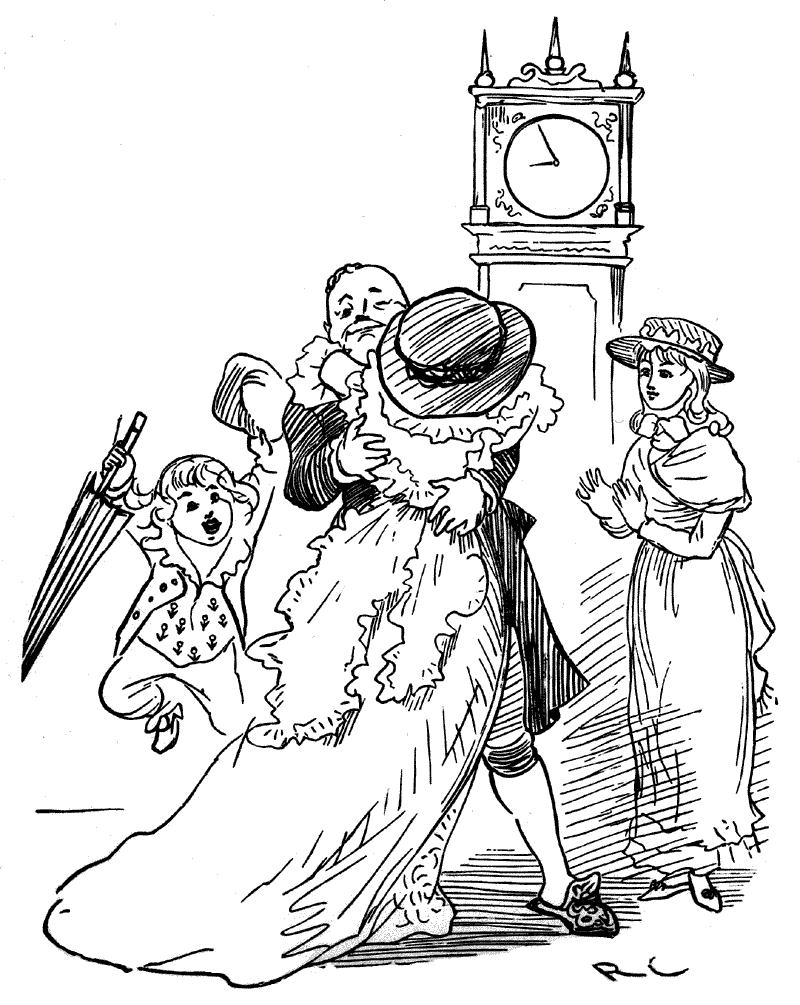
John Gilpin kissed his loving wife;
O’erjoyed was he to find,
That though on pleasure she was bent,
She had a frugal mind.
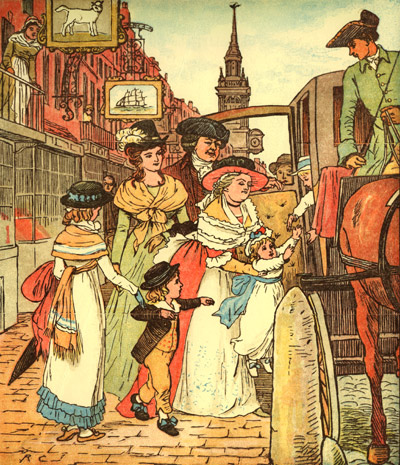
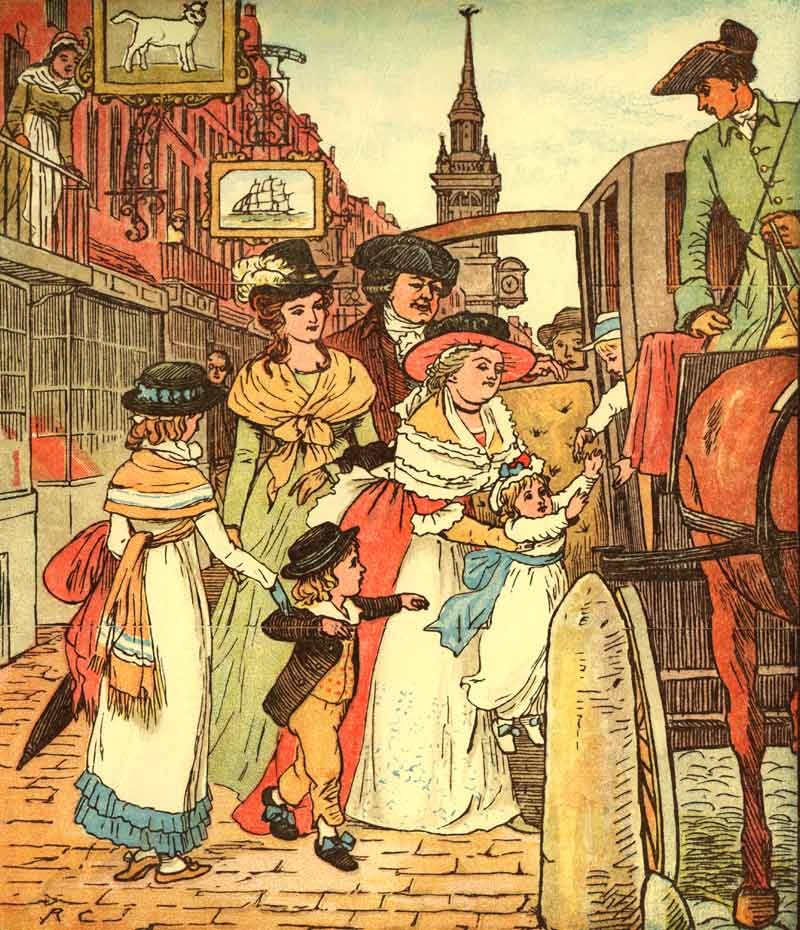
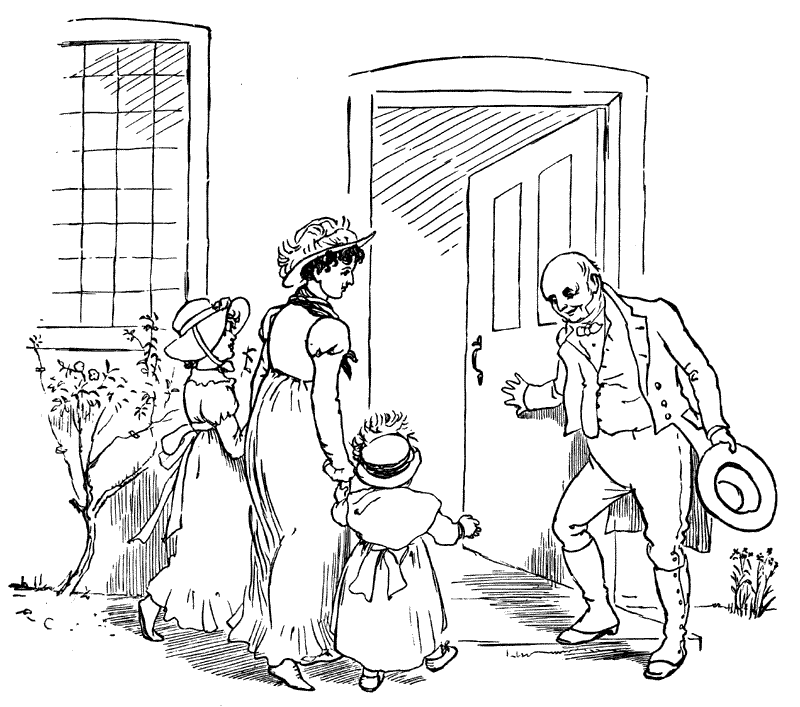
The morning came, the chaise was brought,
But yet was not allowed
To drive up to the door, lest all
Should say that she was proud.
So three doors off the chaise was stayed,
Where they did all get in;
Six precious souls, and all agog
To dash through thick and thin.
Smack went the whip, round went the wheels,
Were never folks so glad!
The stones did rattle underneath,
As if Cheapside were mad.
John Gilpin at his horse’s side
Seized fast the flowing mane,
And up he got, in haste to ride,
But soon came down again;
For saddletree scarce reached had he,
His journey to begin,
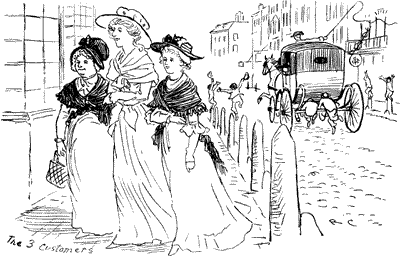
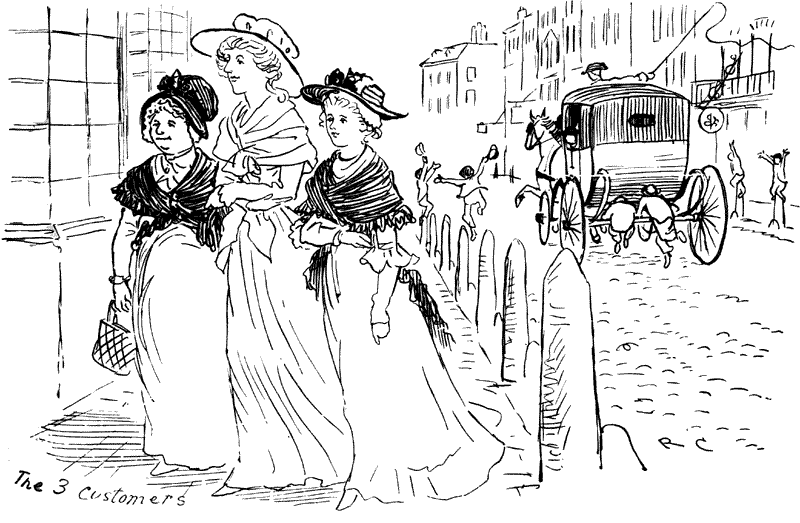
When, turning round his head, he saw
Three customers come in.
So down he came; for loss of time,
Although it grieved him sore,
Yet loss of pence, full well he knew,
Would trouble him much more.
’Twas long before the customers
Were suited to their mind,
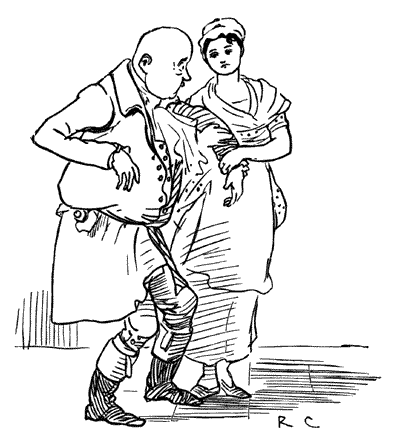
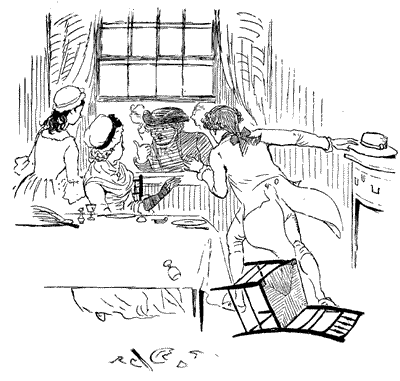
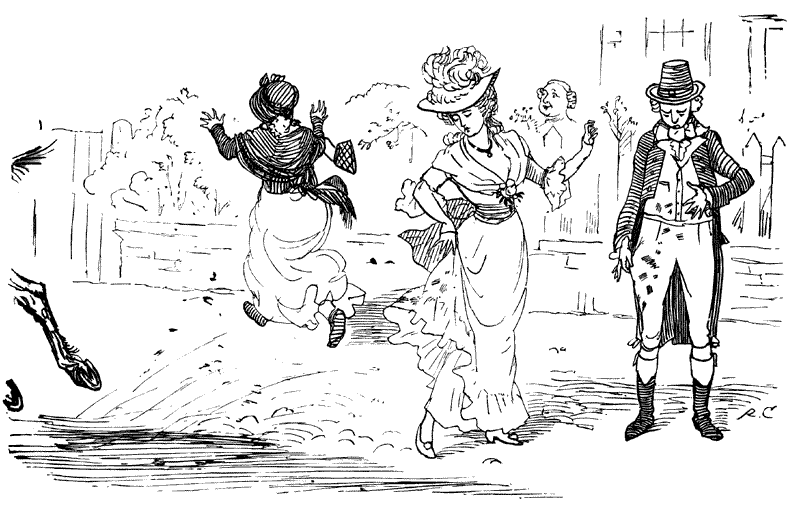
When Betty screaming came downstairs,
“The wine is left behind!”
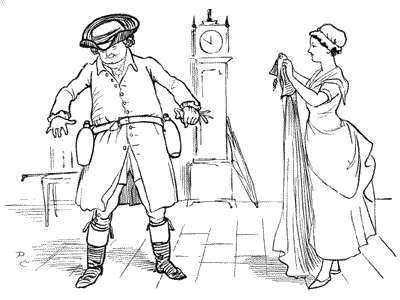
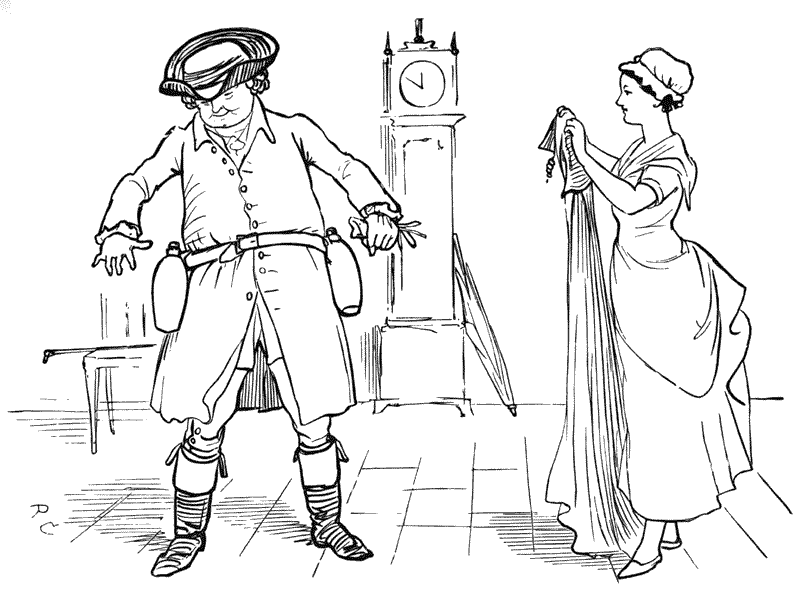
“Good lack!” quoth he, “yet bring it me,
My leathern belt likewise,
In which I bear my trusty sword
When I do exercise.”
Now Mistress Gilpin (careful soul!)
Had two stone bottles found,
To hold the liquor that she loved,
And keep it safe and sound.
Each bottle had a curling ear,
Through which the belt he drew
And hung a bottle on each side,
To make his balance true.
Then over all, that he might be
Equipped from top to toe,
His long red cloak, well brushed and neat,
He manfully did throw.
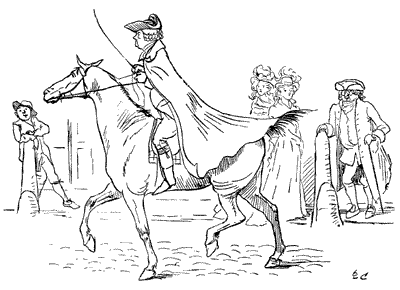
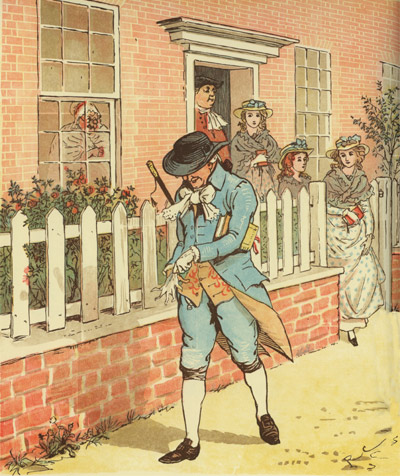
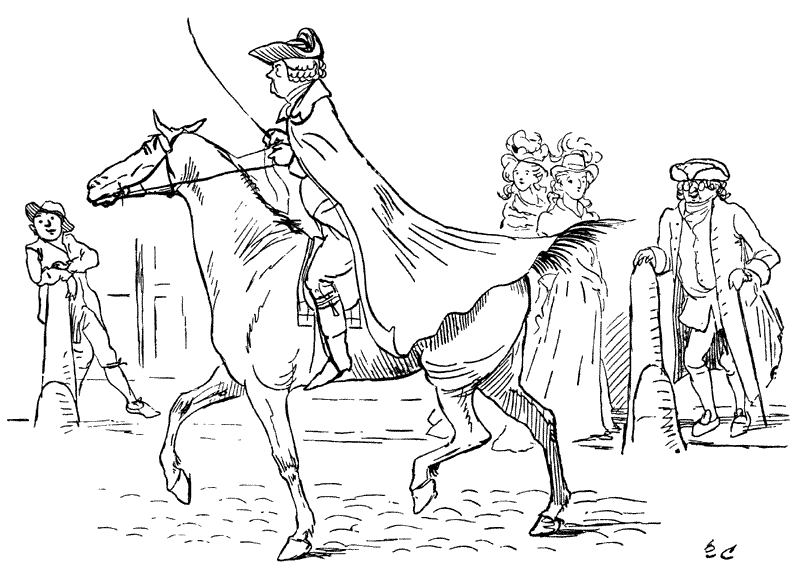
Now see him mounted once again
Upon his nimble steed,
Full slowly pacing o’er the stones,
With caution and good heed.
But finding soon a smoother road
Beneath his well-shod feet,
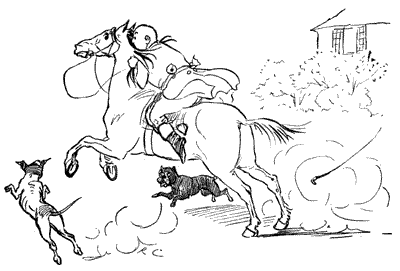
The snorting beast began to trot,
Which galled him in his seat.
“So, fair and softly!” John he cried,
But John he cried in vain;
That trot became a gallop soon,
In spite of curb and rein.
So stooping down, as needs he must
Who cannot sit upright,
He grasped the mane with both his hands,
And eke with all his might.
His horse, who never in that sort
Had handled been before,
What thing upon his back had got,
Did wonder more and more.
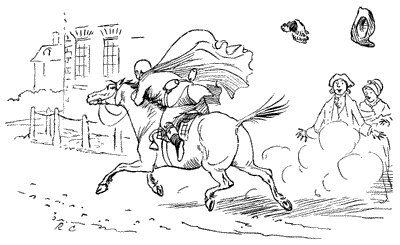
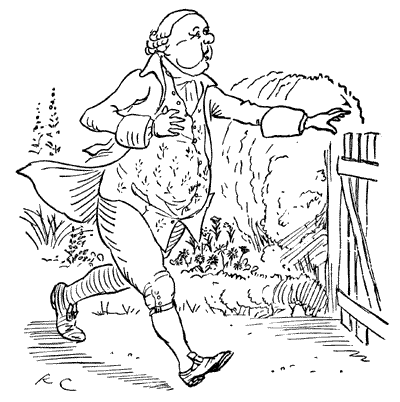
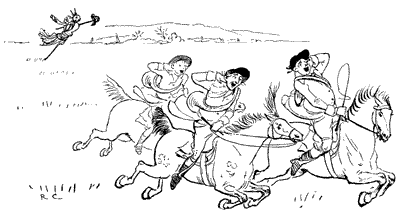
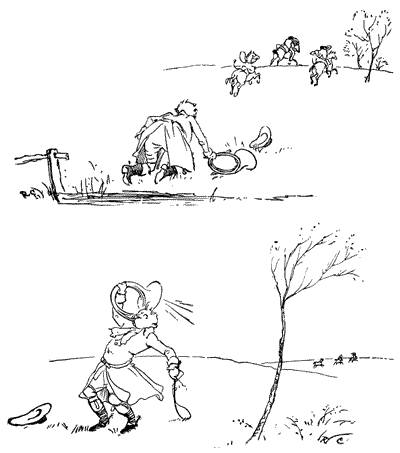
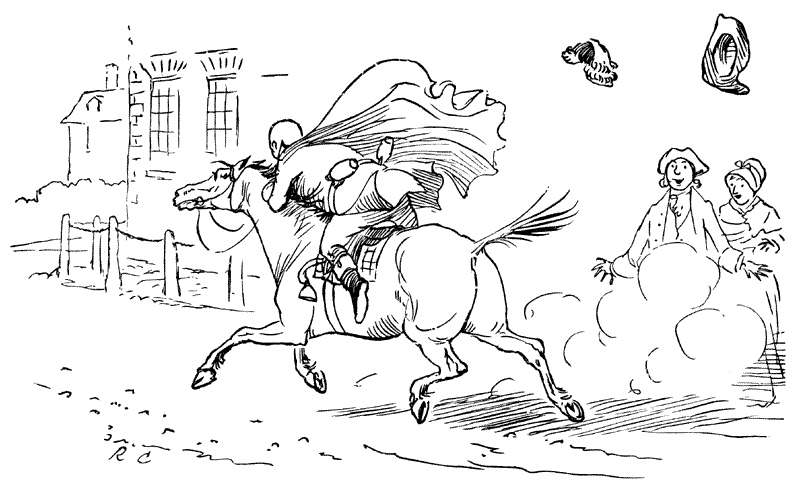
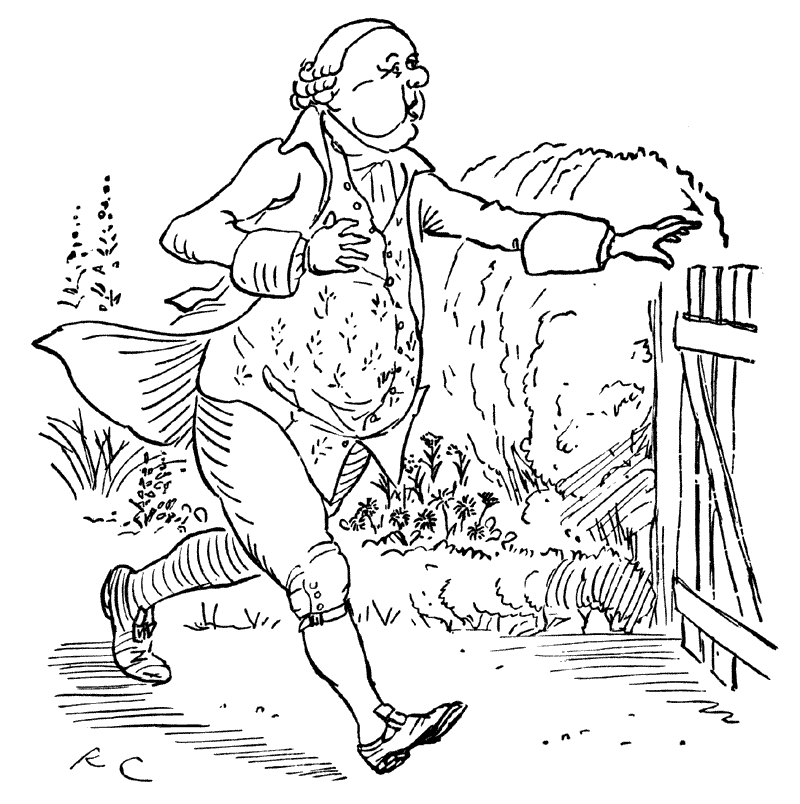
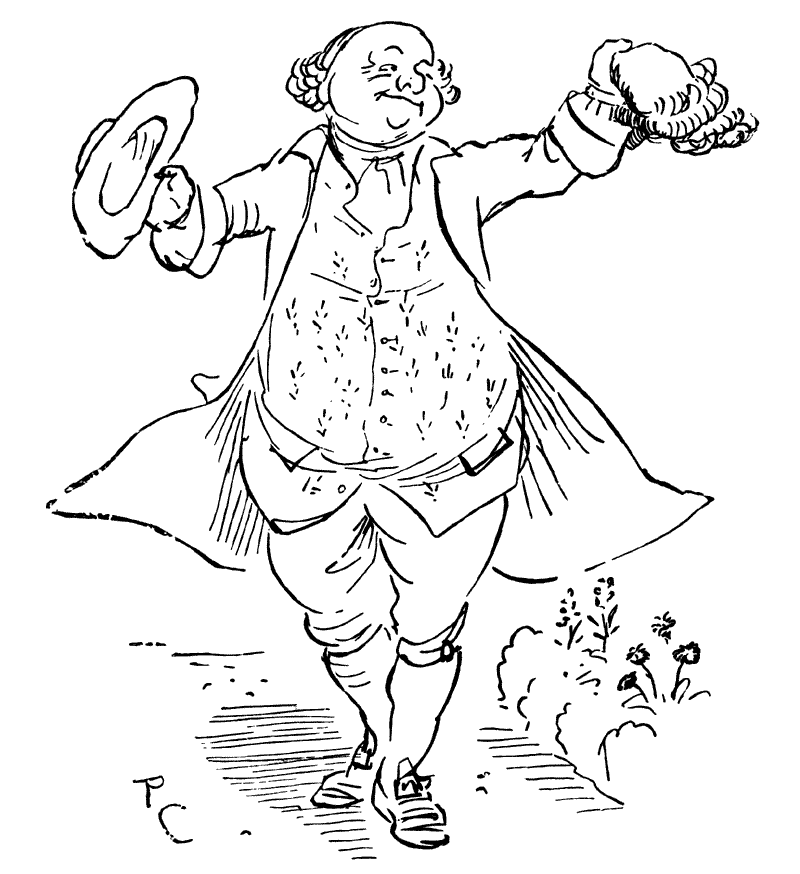
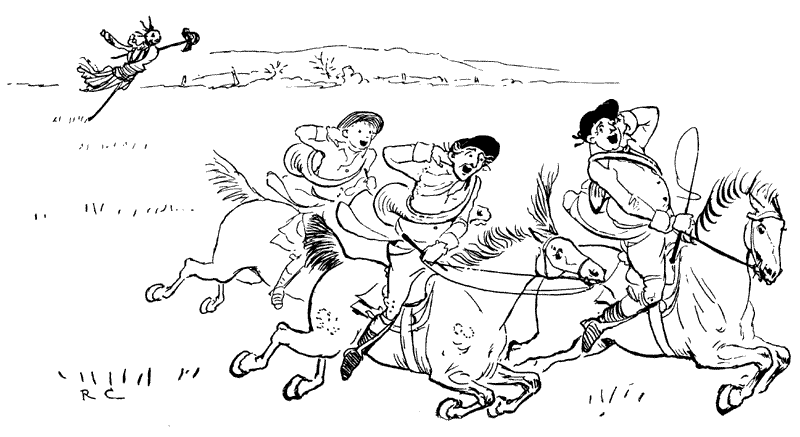
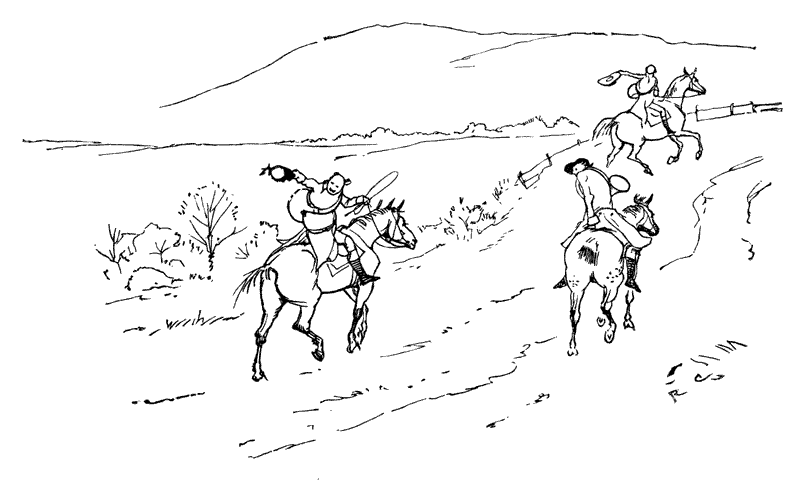
Away went Gilpin, neck or nought;
Away went hat and wig;
He little dreamt, when he set out,
Of running such a rig.
The wind did blow, the cloak did fly
Like streamer long and gay,
Till, loop and button failing both,
At last it flew away.
Then might all people well discern
The bottles he had slung;
A bottle swinging at each side,
As hath been said or sung.
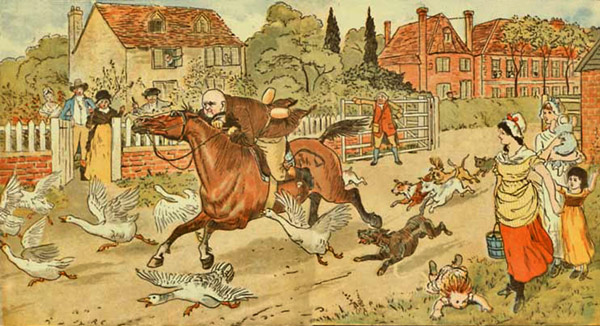
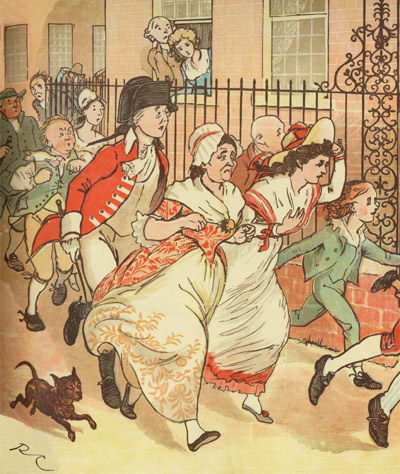
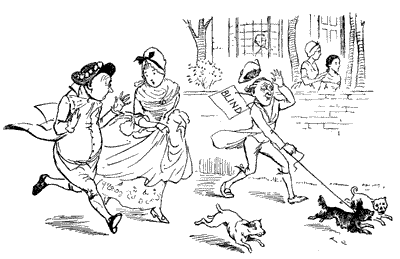
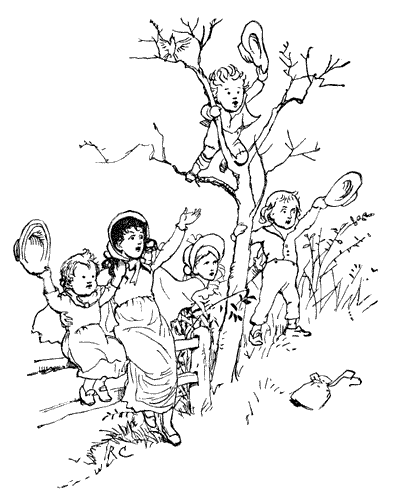
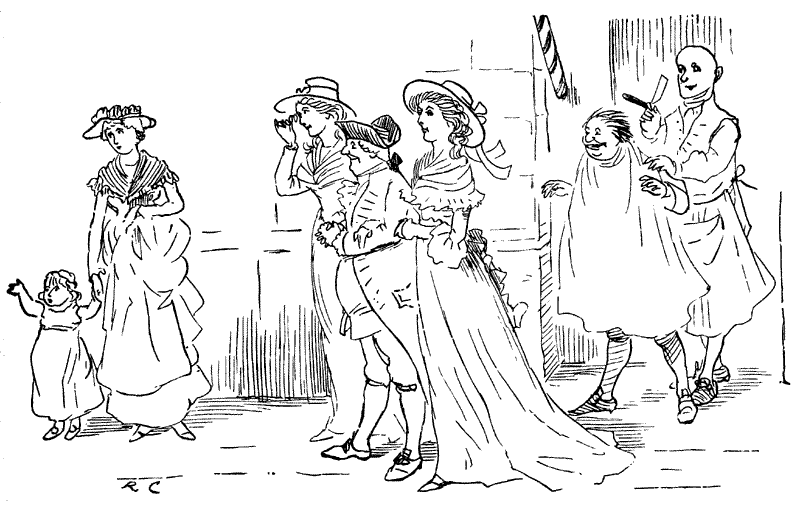
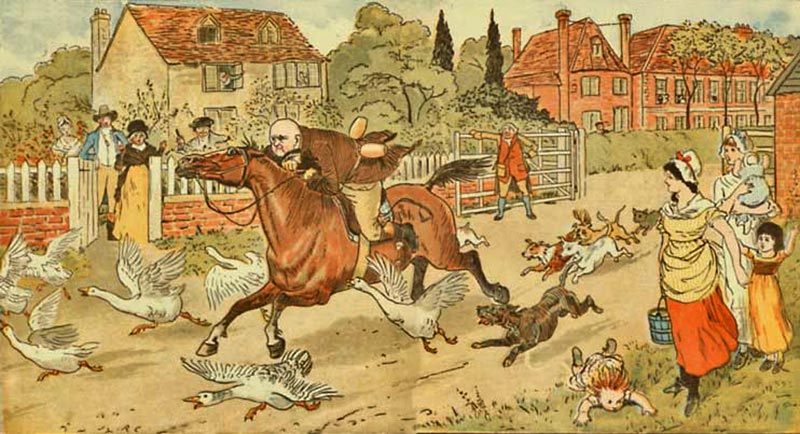
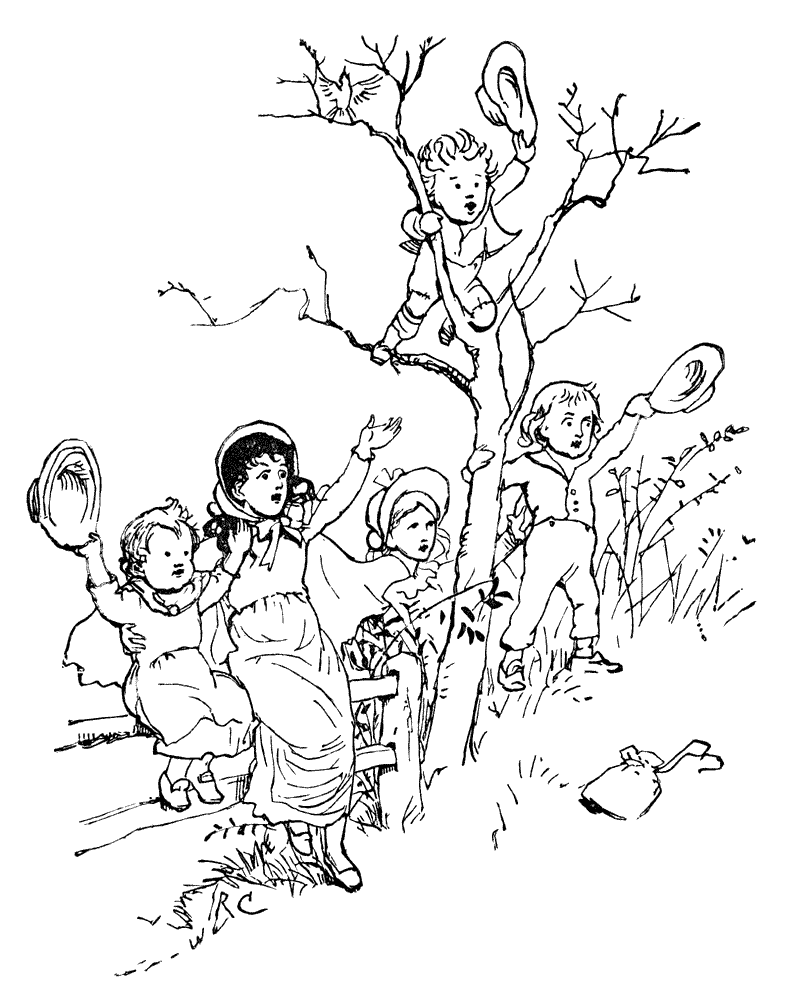
The dogs did bark, the children screamed,
Up flew the windows all;
And every soul cried out, “Well done!”
As loud as he could bawl.
Away went Gilpin—who but he?
His fame soon spread around;
“He carries weight! he rides a race!
’Tis for a thousand pound!”
And still as fast as he drew near,
’Twas wonderful to view
How in a trice the turnpike-men
Their gates wide open threw.
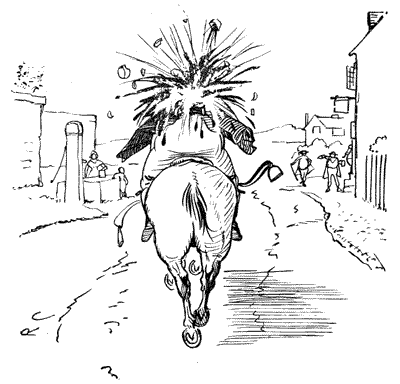
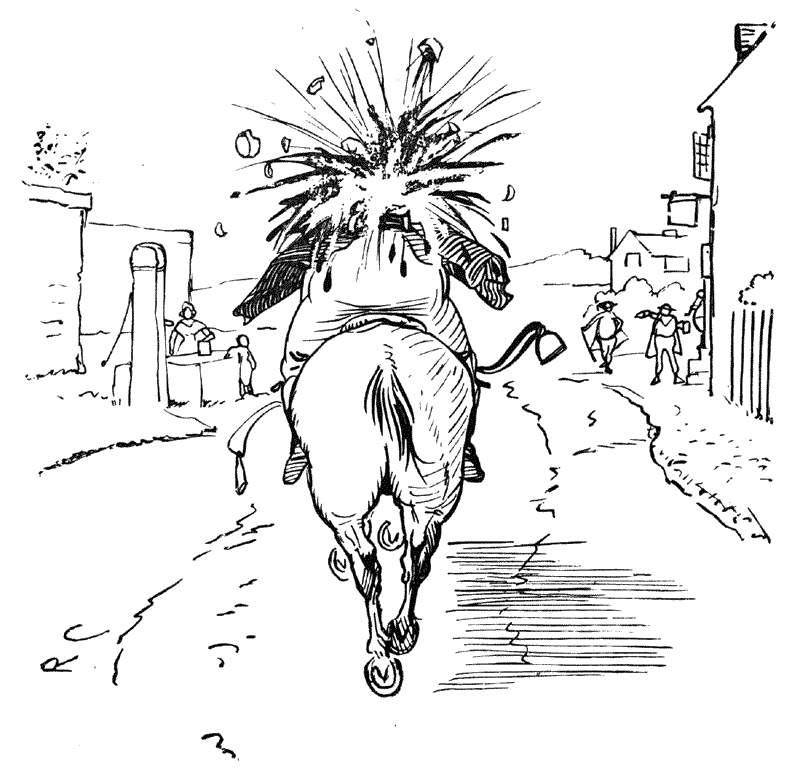
And now, as he went bowing down
His reeking head full low,
The bottles twain behind his back
Were shattered at a blow.
Down ran the wine into the road,
Most piteous to be seen,
Which made the horse’s flanks to smoke,
As they had basted been.
But still he seemed to carry weight,
With leathern girdle braced;
For all might see the bottle-necks
Still dangling at his waist.
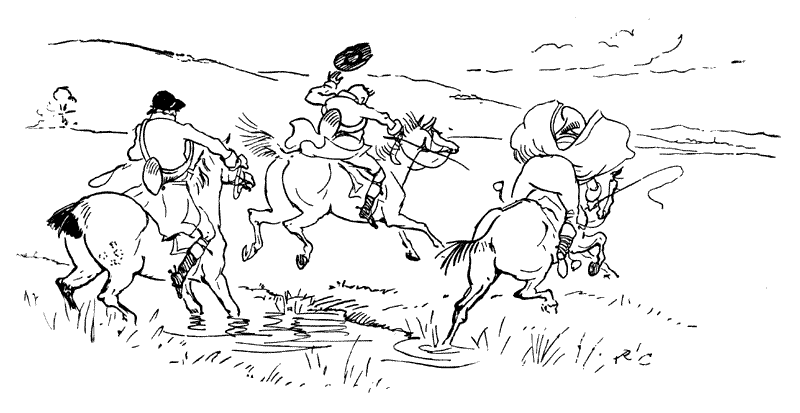
Thus all through merry Islington
These gambols he did play,
Until he came unto the Wash
Of Edmonton so gay;
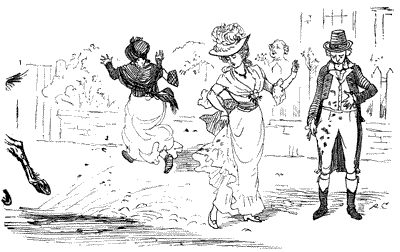
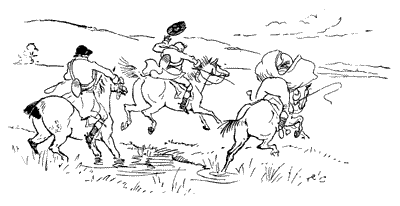
And there he threw the wash about
On both sides of the way,
Just like unto a trundling mop,
Or a wild goose at play.
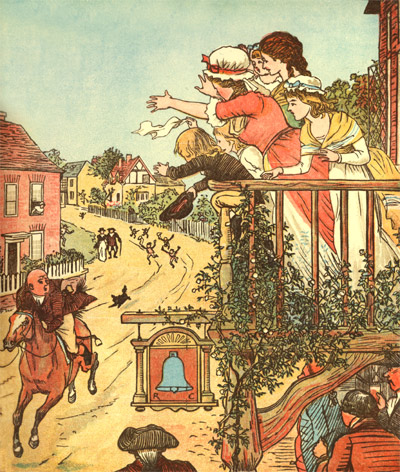
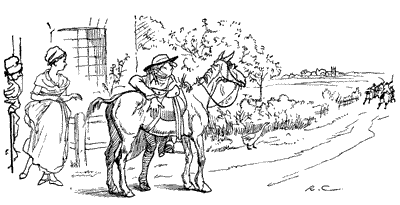
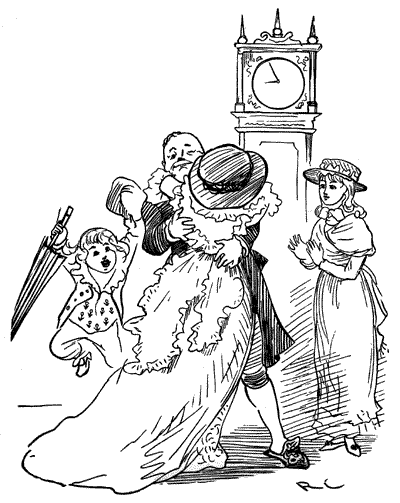
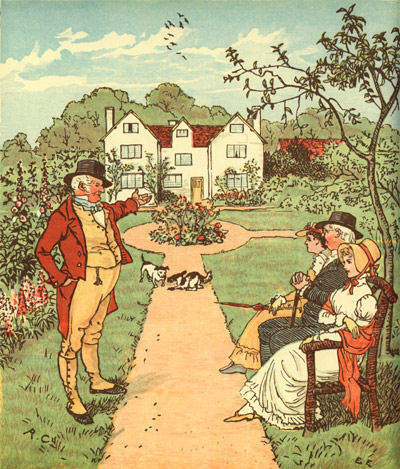
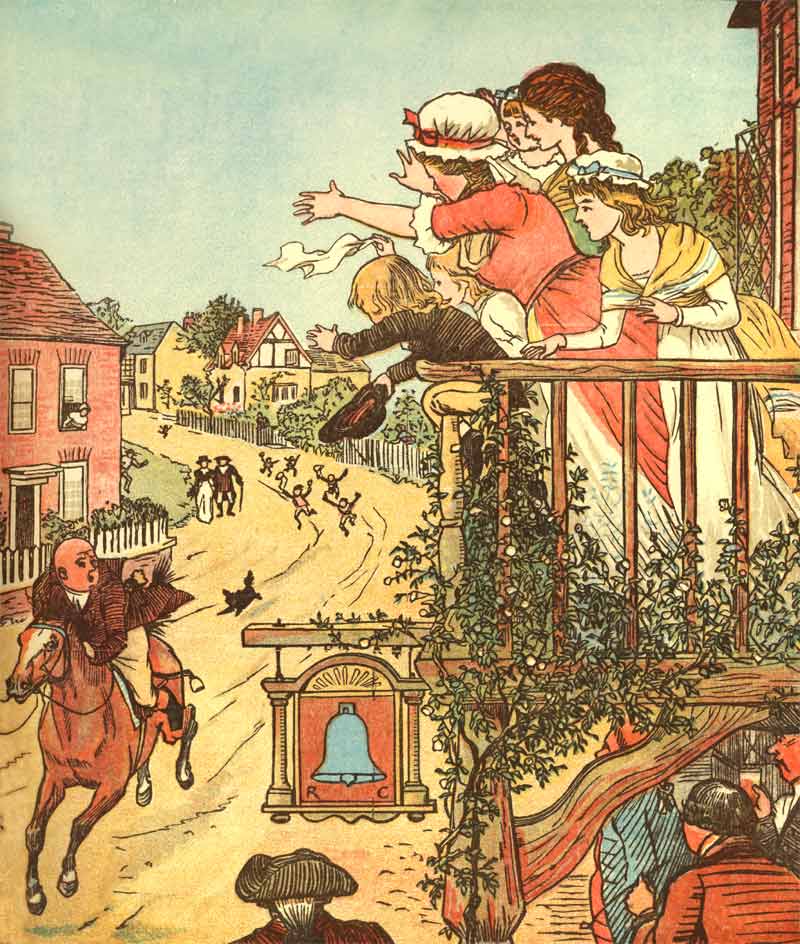
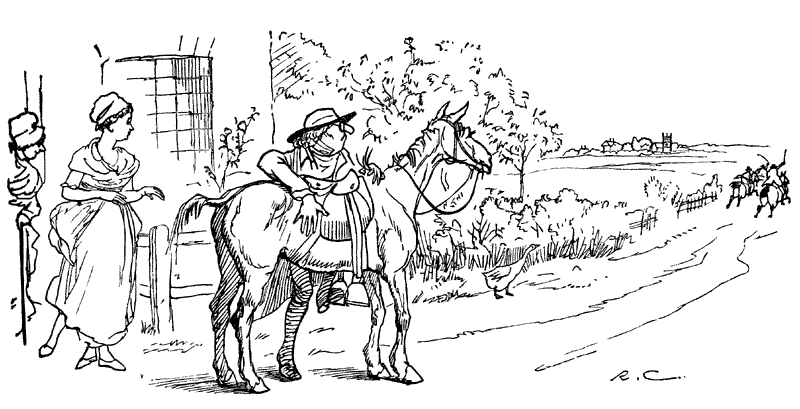
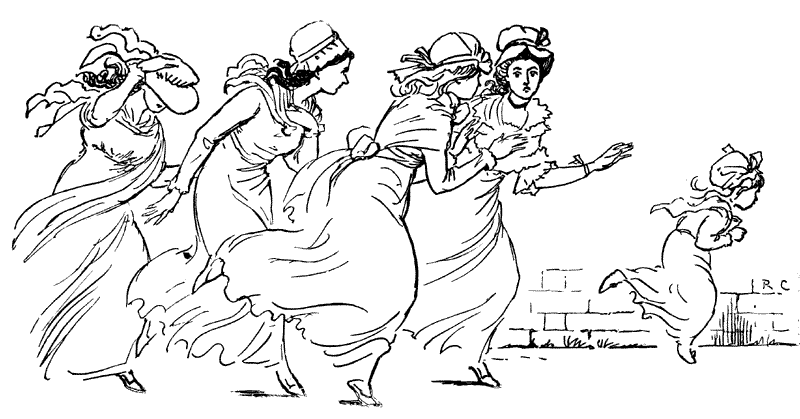
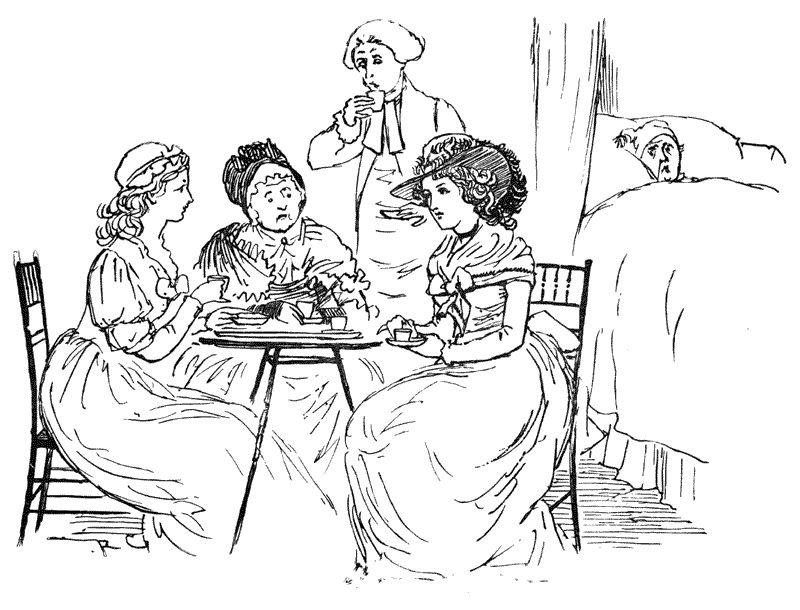
At Edmonton his loving wife
From the balcony spied
Her tender husband, wondering much
To see how he did ride.
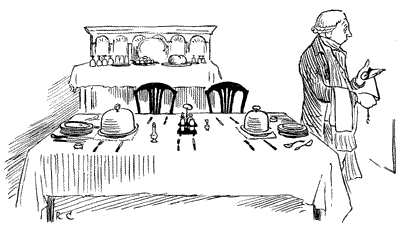
“Stop, stop, John Gilpin!—Here’s the house!”
They all at once did cry;
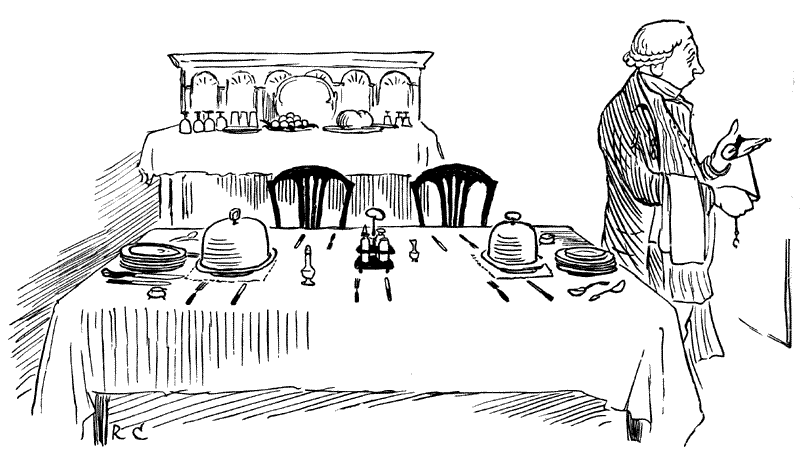
“The dinner waits, and we are tired;”
Said Gilpin—“So am I!”
But yet his horse was not a whit
Inclined to tarry there;
For why?—his owner had a house
Full ten miles off, at Ware.
So like an arrow swift he flew,
Shot by an archer strong;
So did he fly—which brings me to
The middle of my song.
Away went Gilpin, out of breath,
And sore against his will,
Till at his friend the calender’s
His horse at last stood still.
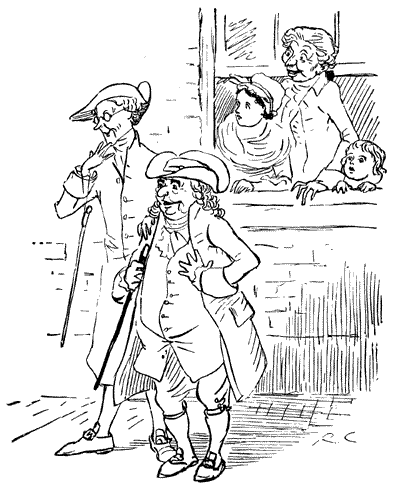
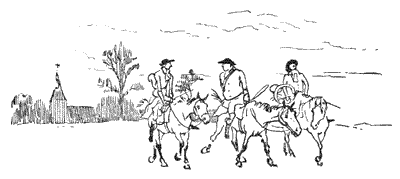
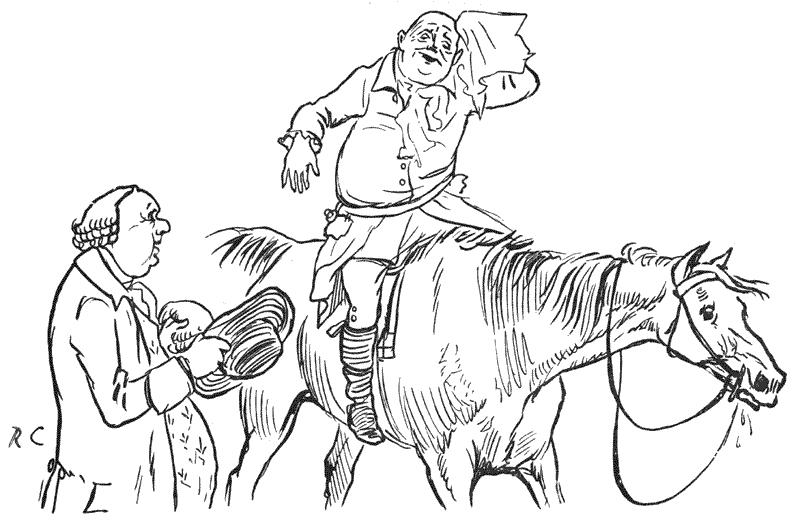
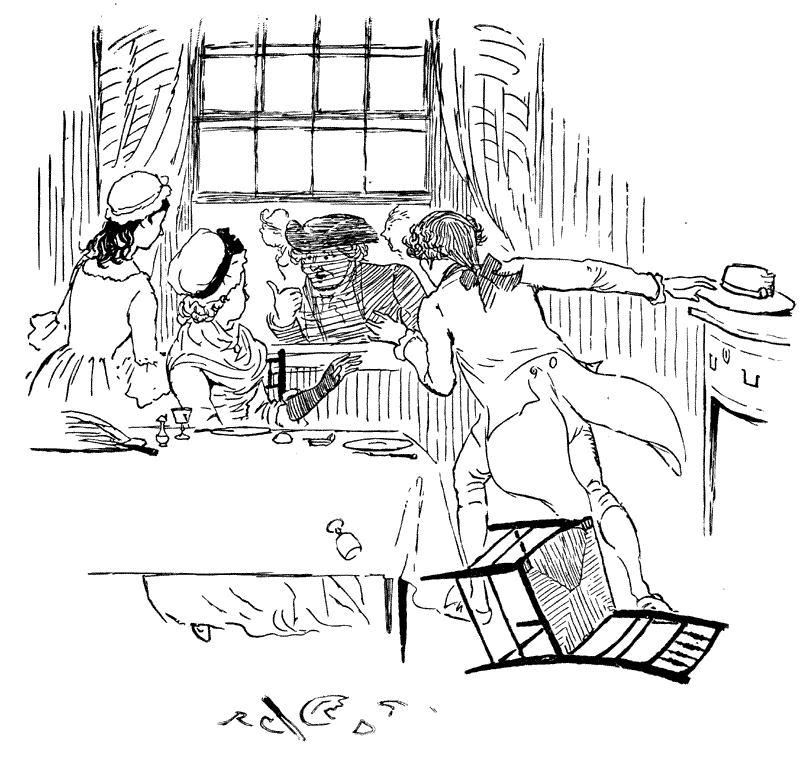
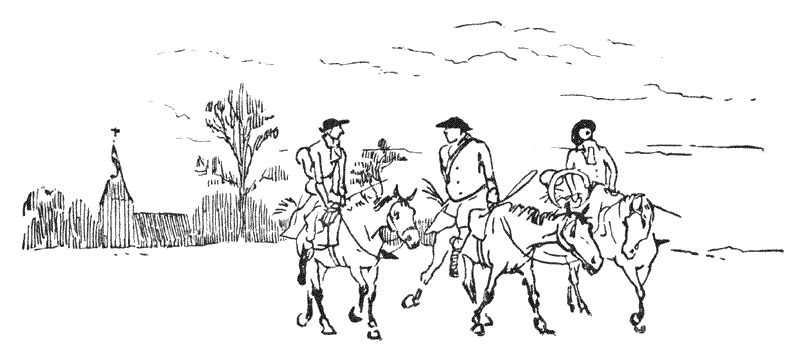
The calender, amazed to see
His neighbour in such trim,
Laid down his pipe, flew to the gate,
And thus accosted him:
“What news? what news? your tidings tell;
Tell me you must and shall—
Say why bareheaded you are come,
Or why you come at all?”
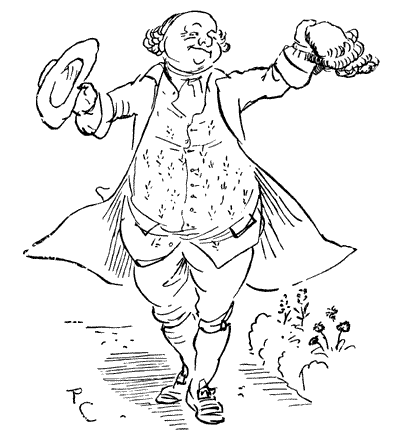
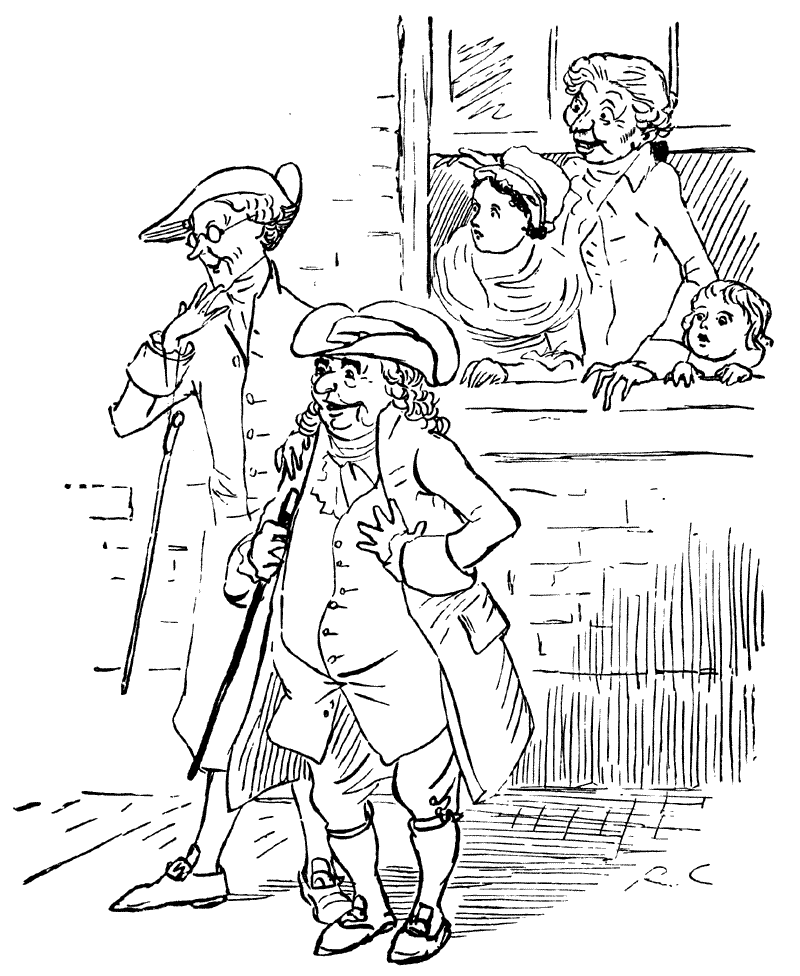
Now Gilpin had a pleasant wit,
And loved a timely joke;
And thus unto the calender
In merry guise he spoke:
“I came because your horse would come:
And, if I well forebode,
My hat and wig will soon be here,
They are upon the road.”
The calender, right glad to find
His friend in merry pin,
Returned him not a single word,
But to the house went in;
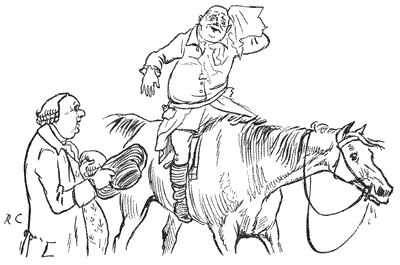
Whence straight he came with hat and wig,
A wig that flowed behind,
A hat not much the worse for wear,
Each comely in its kind.
He held them up, and in his turn
Thus showed his ready wit:
“My head is twice as big as yours,
They therefore needs must fit.”
“But let me scrape the dirt away,
That hangs upon your face;
And stop and eat, for well you may
Be in a hungry case.”
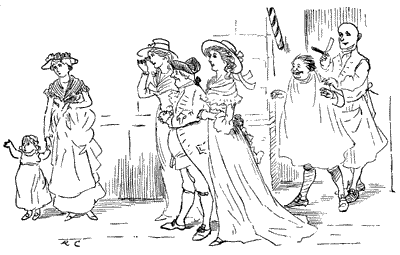
Said John, “It is my wedding-day,
And all the world would stare
If wife should dine at Edmonton,
And I should dine at Ware.”
So turning to his horse, he said
“I am in haste to dine;
’Twas for your pleasure you came here,
You shall go back for mine.”
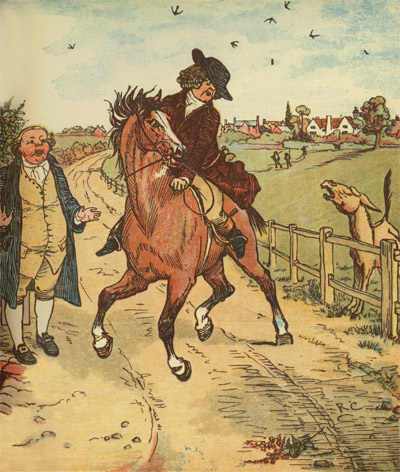
Ah! luckless speech, and bootless boast
For which he paid full dear;
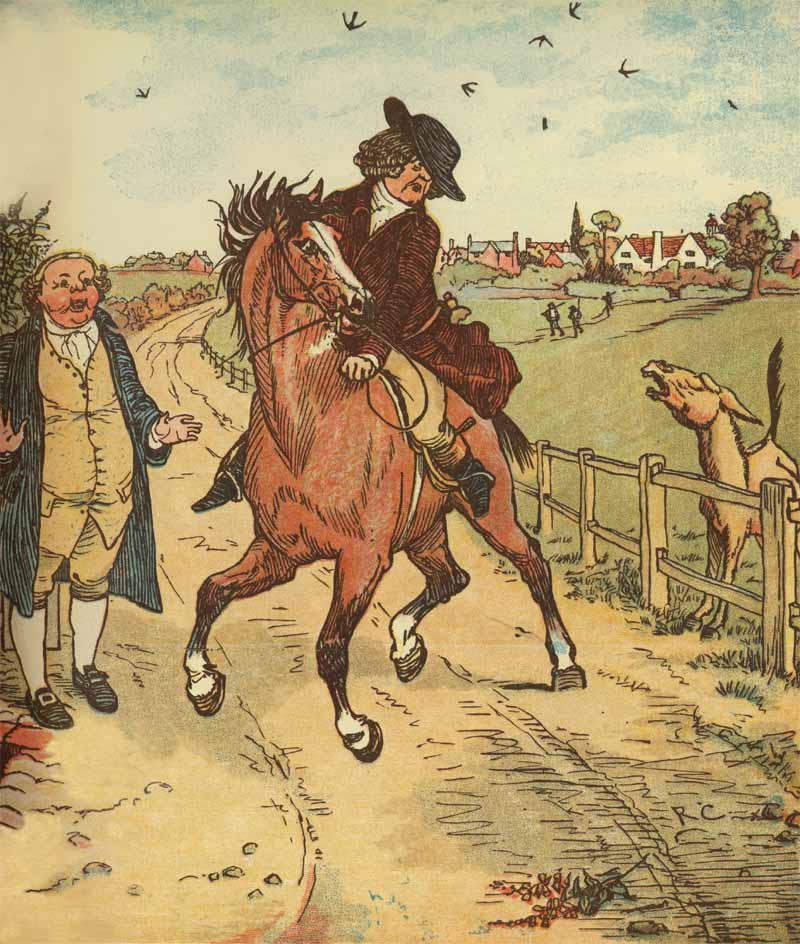
For while he spake, a braying ass
Did sing most loud and clear;
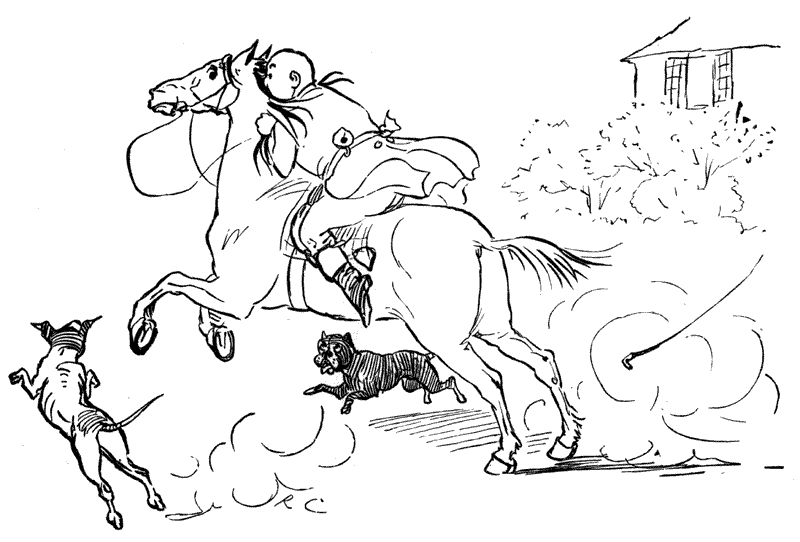
Whereat his horse did snort, as he
Had heard a lion roar,
And galloped off with all his might,
As he had done before.
Away went Gilpin, and away
Went Gilpin’s hat and wig;
He lost them sooner than at first,
For why?—they were too big.
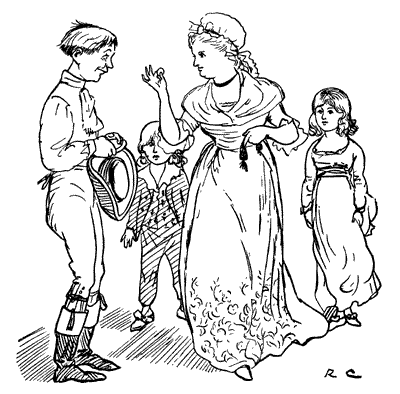
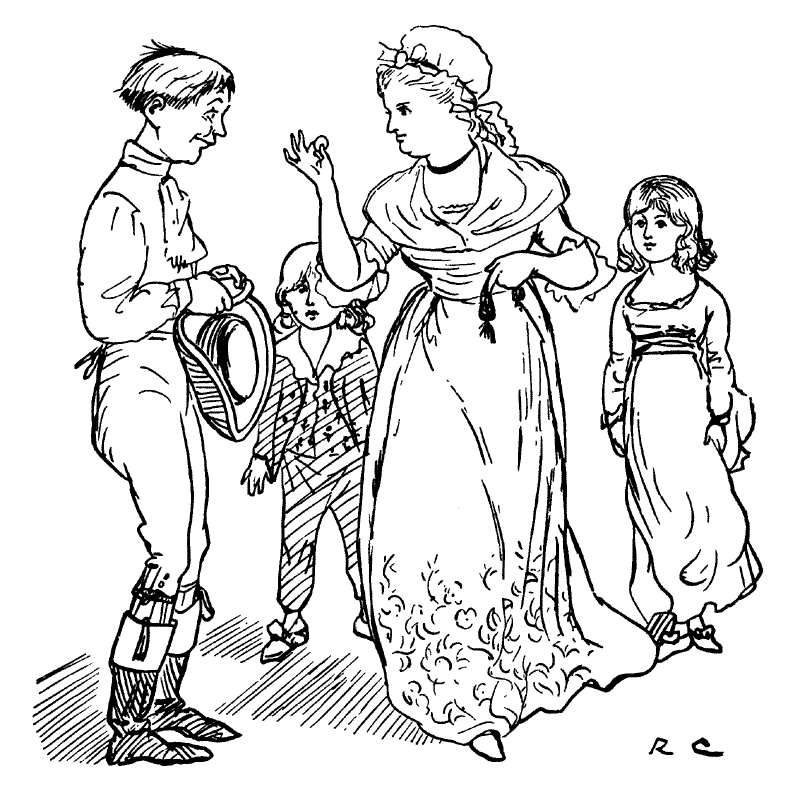
Now Mistress Gilpin, when she saw
Her husband posting down
Into the country far away,
She pulled out half-a-crown;
And thus unto the youth she said
That drove them to the “Bell,”
“This shall be yours when you bring back
My husband safe and well.”
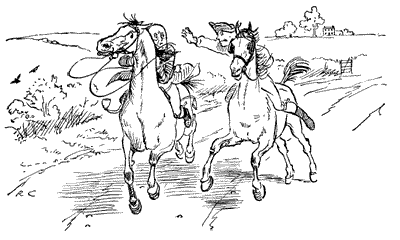
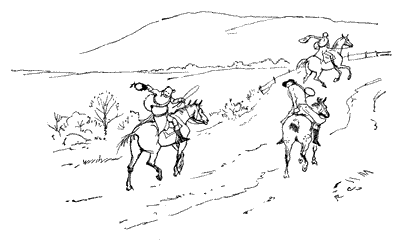
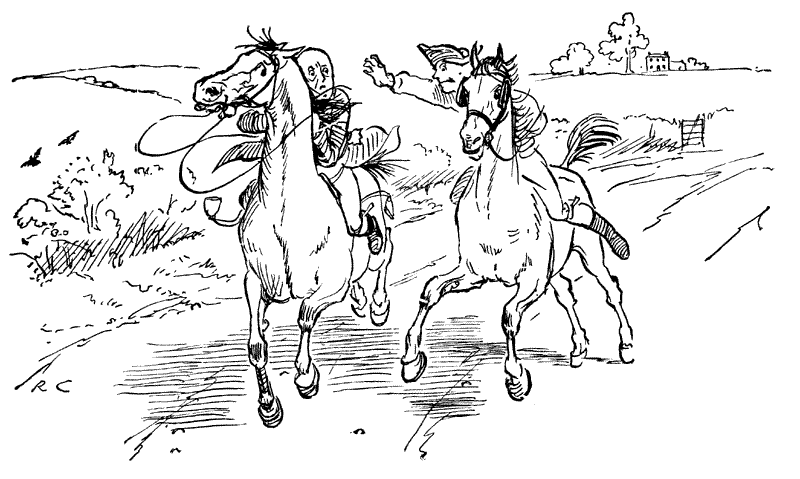
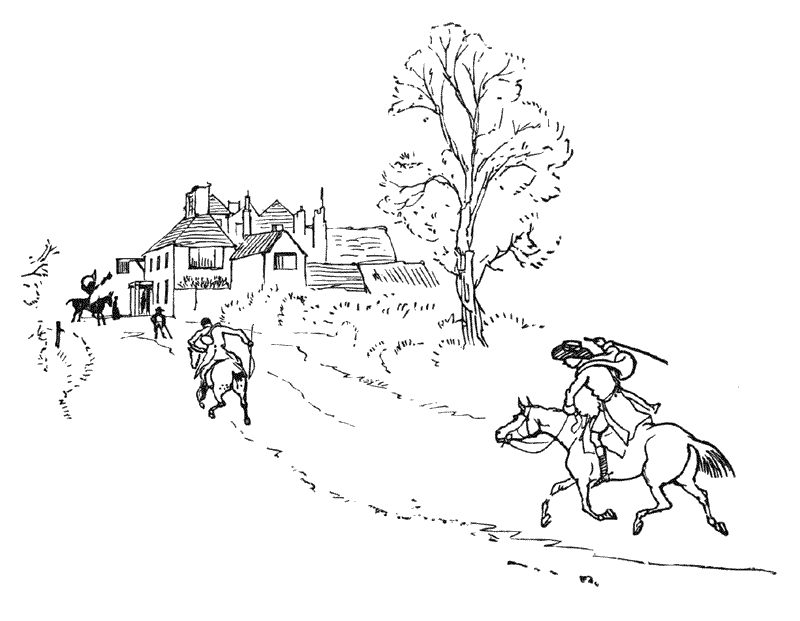
The youth did ride, and soon did meet
John coming back amain;
Whom in a trice he tried to stop,
By catching at his rein.
But not performing what he meant,
And gladly would have done,
The frighted steed he frighted more,
And made him faster run.
Away went Gilpin, and away
Went postboy at his heels,
The postboy’s horse right glad to miss
The lumbering of the wheels.
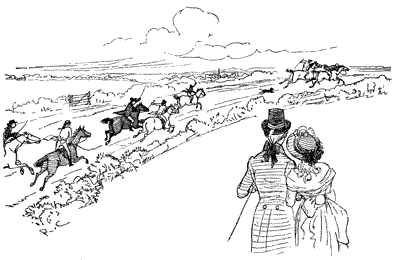
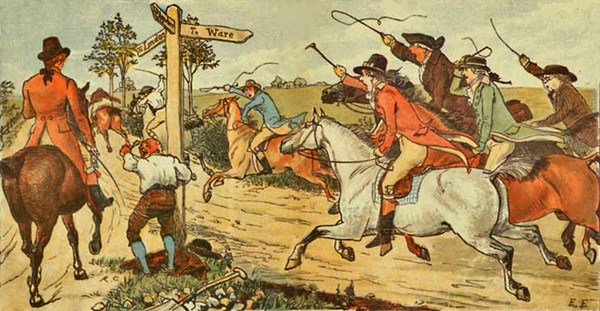
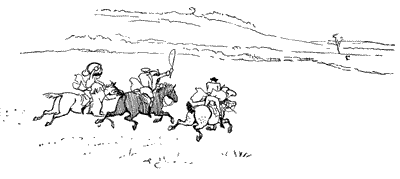
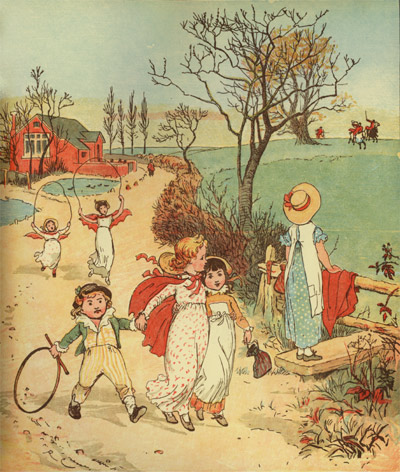
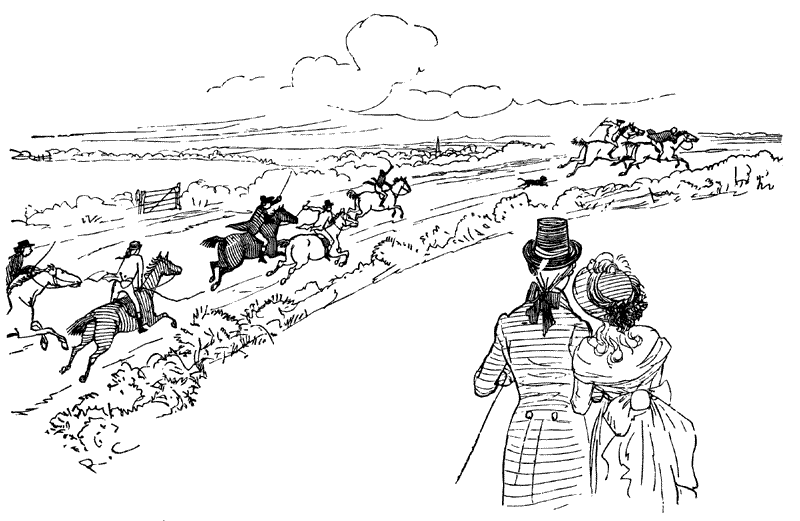
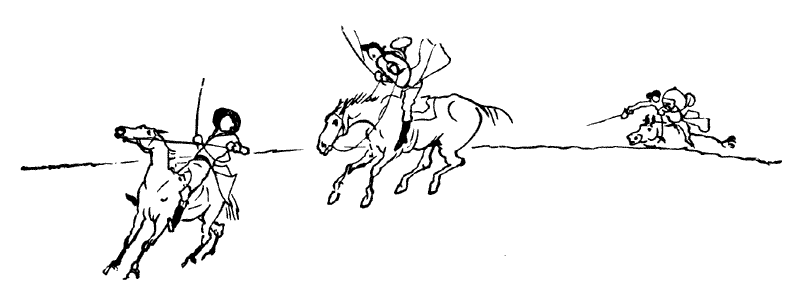
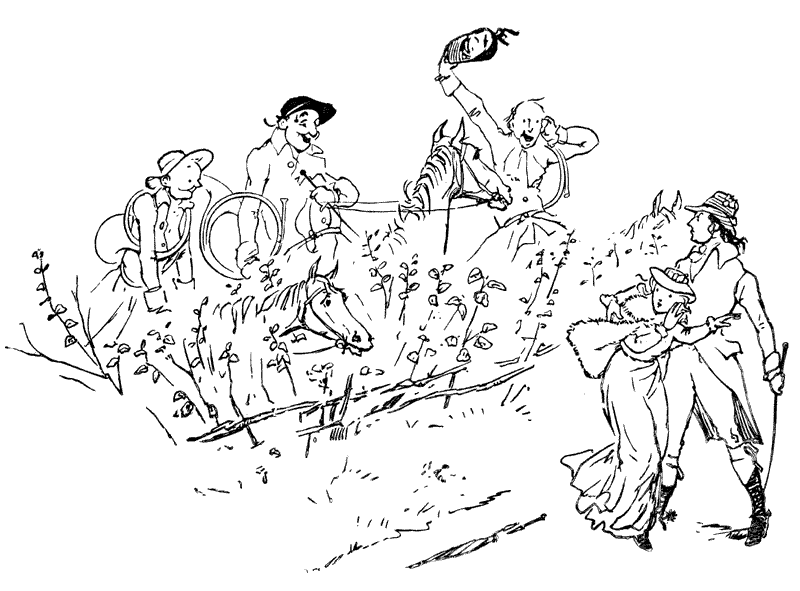
Six gentlemen upon the road,
Thus seeing Gilpin fly,
With postboy scampering in the rear,
They raised the hue and cry.
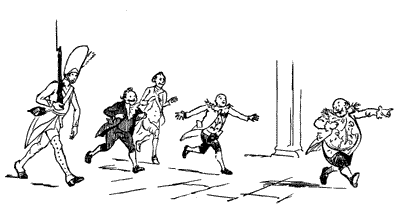
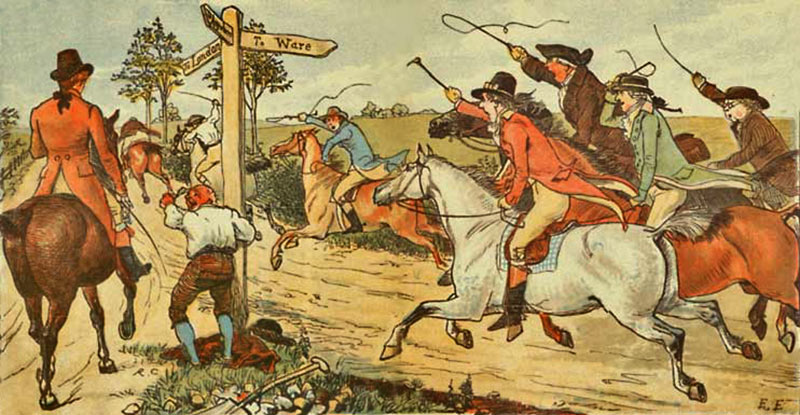
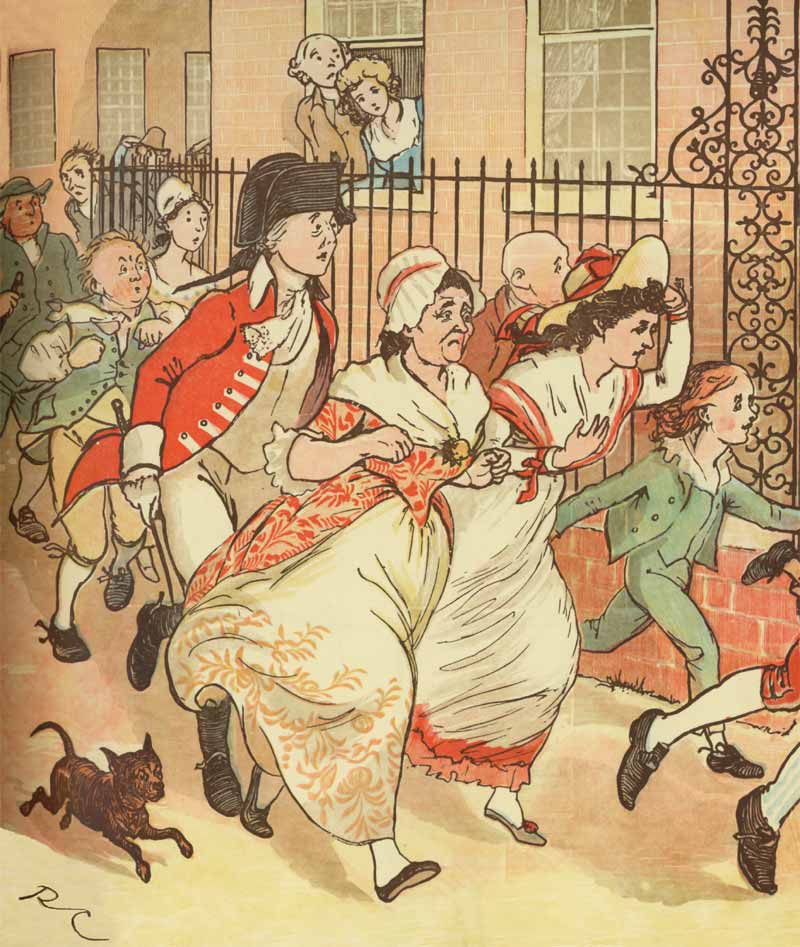
“Stop thief! stop thief! a highwayman!”
Not one of them was mute;
And all and each that passed that way
Did join in the pursuit.
And now the turnpike-gates again
Flew open in short space;
The toll-man thinking, as before,
That Gilpin rode a race.
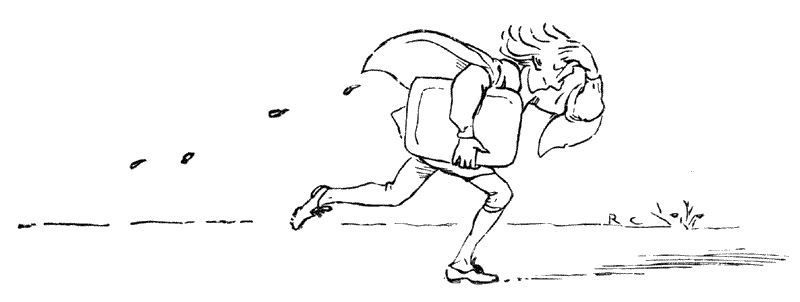
And so he did, and won it too,
For he got first to town;
Nor stopped till where he had got up,
He did again get down.
Now let us sing, Long live the King,
And Gilpin, long live he;
And when he next doth ride abroad,
May I be there to see.
-
THE HOUSE THAT JACK BUILT
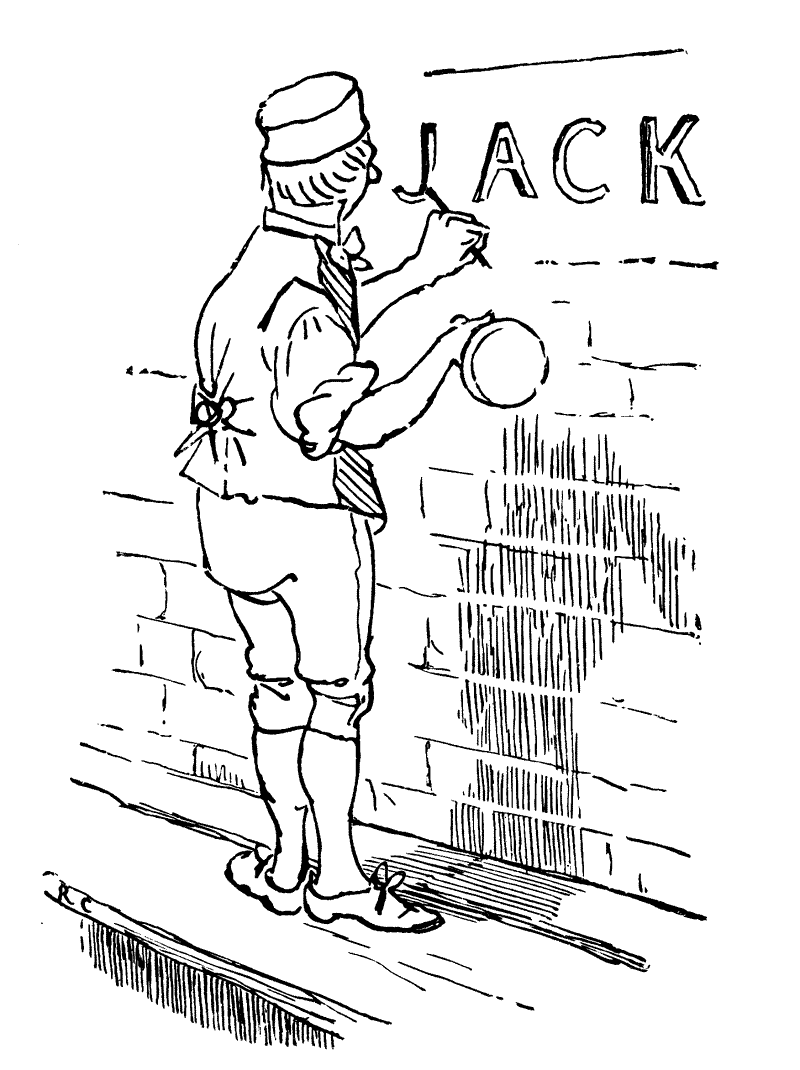
THIS is the House that Jack built.
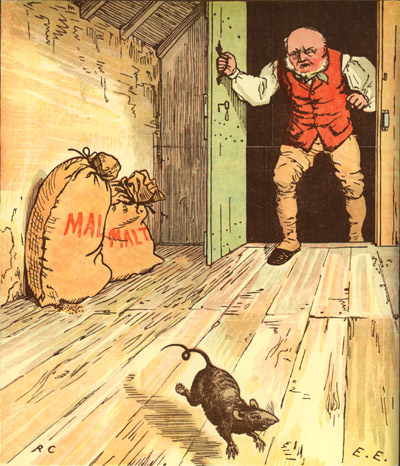
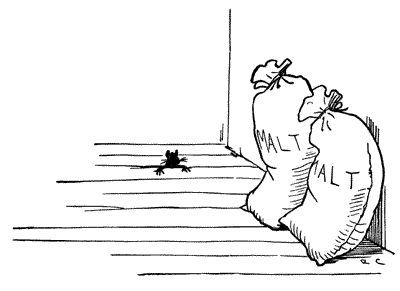
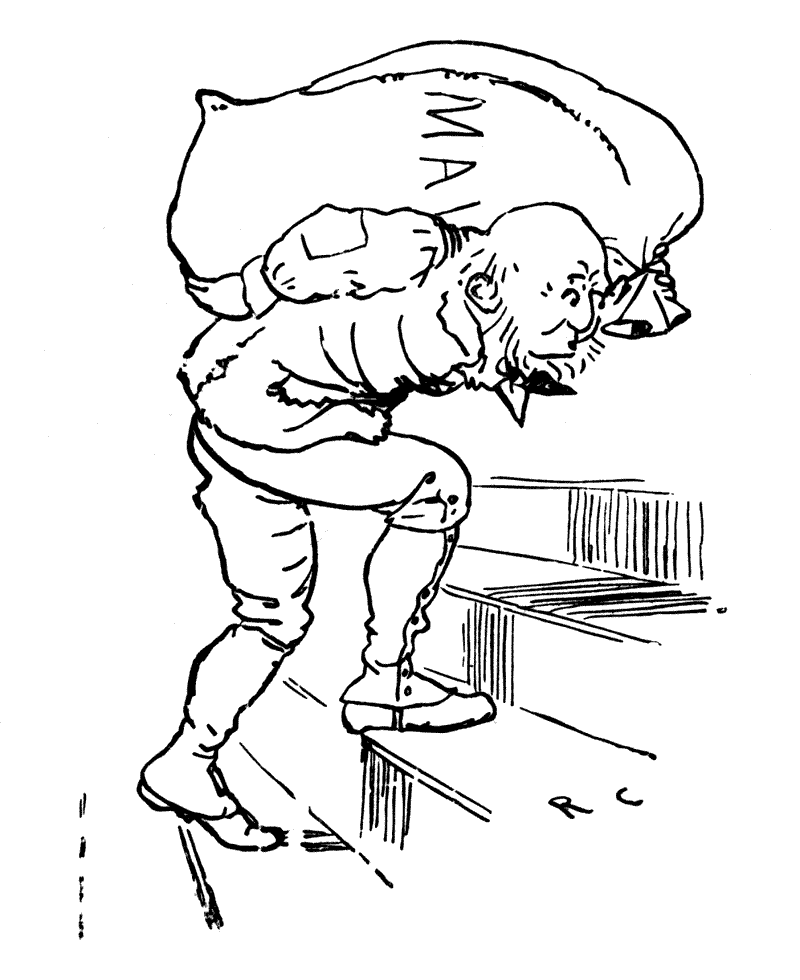
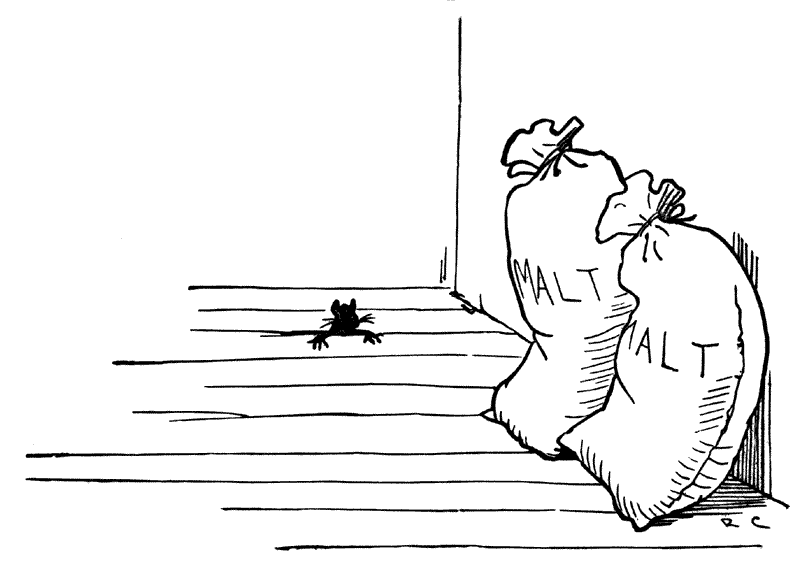
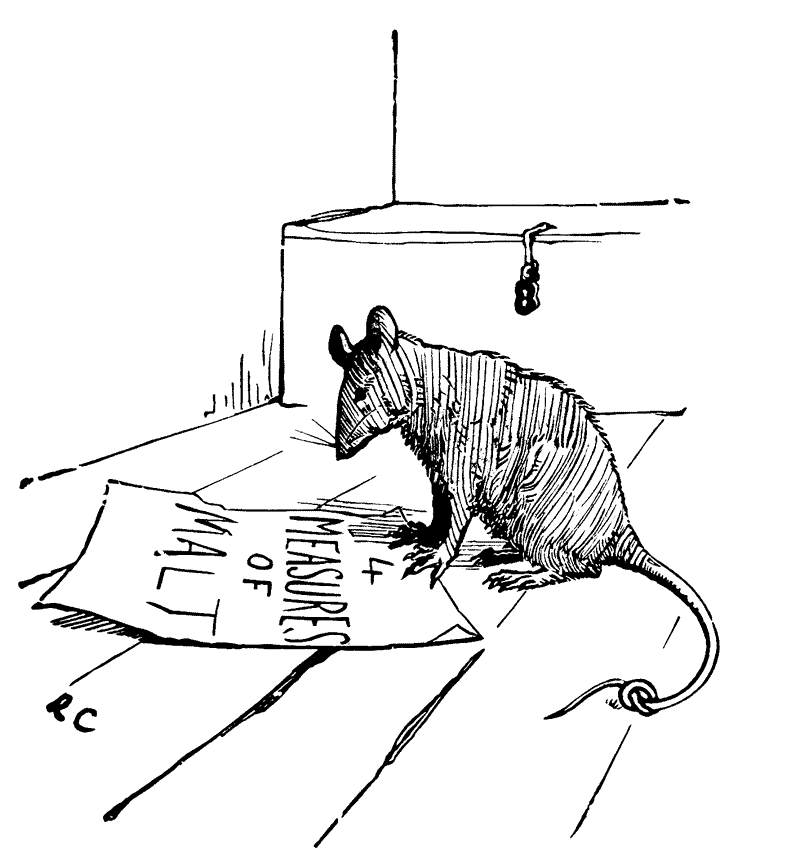
This is the Malt,
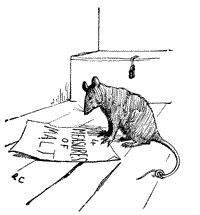
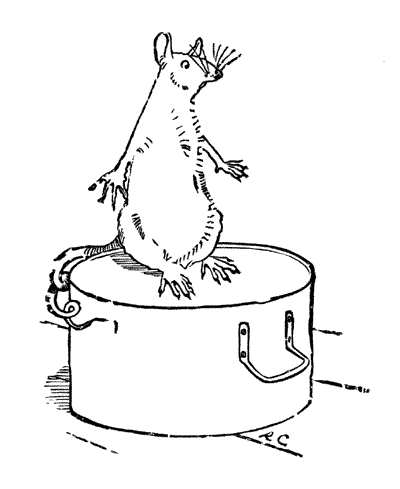
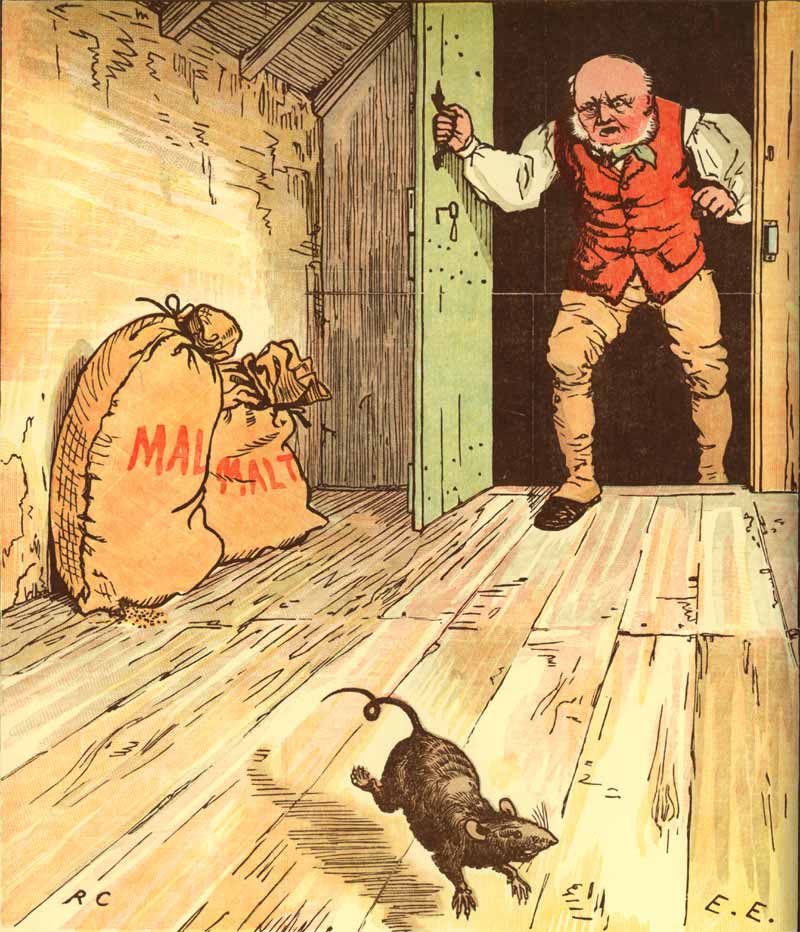
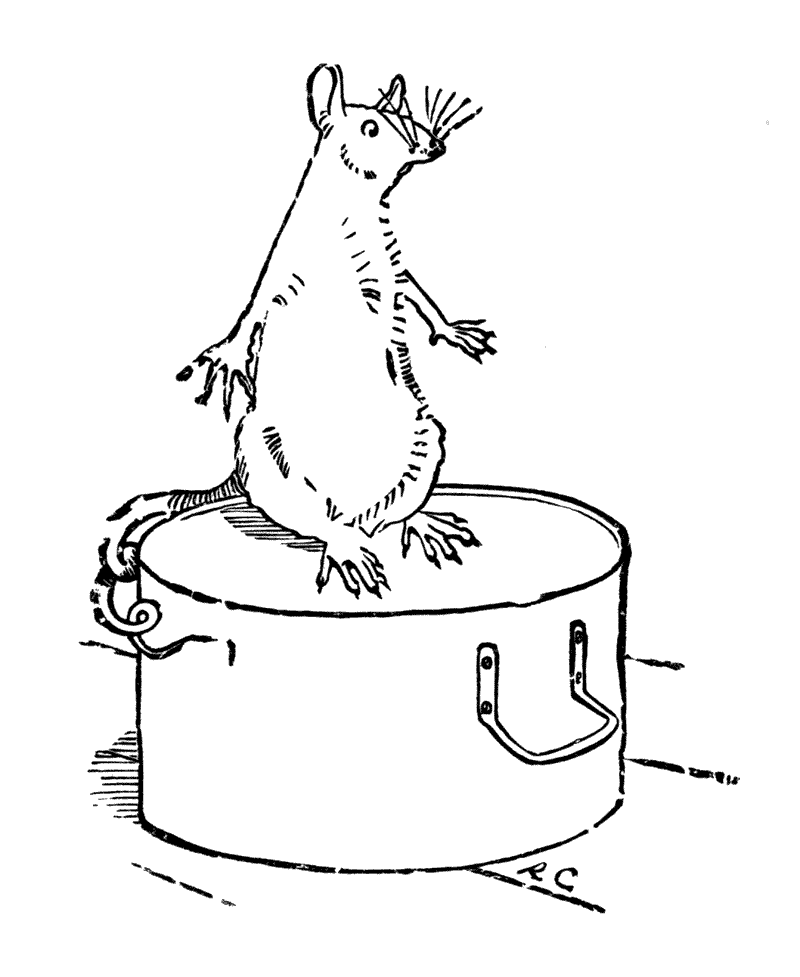
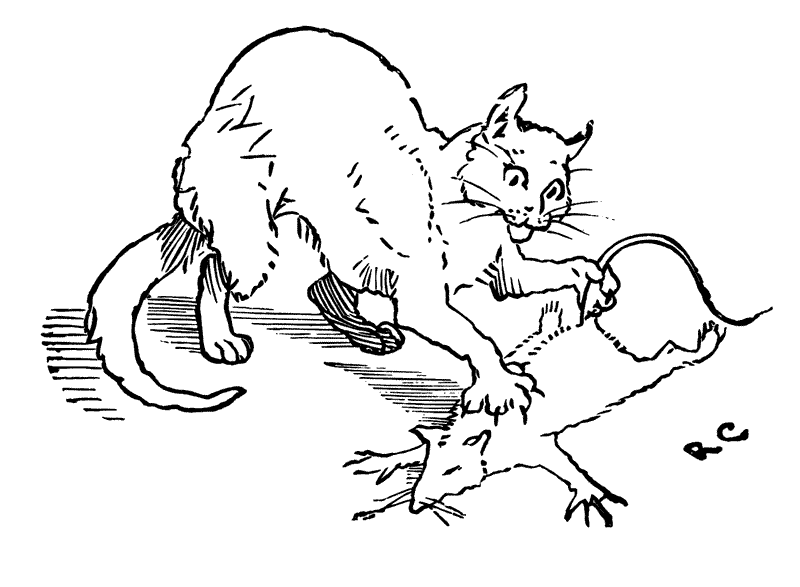
That lay in the House that Jack built.This is the Rat,
That ate the Malt,
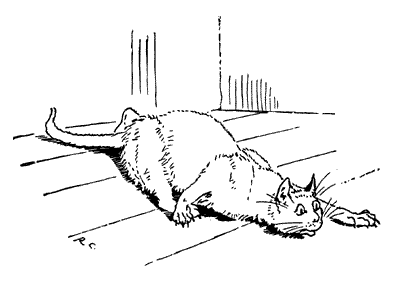
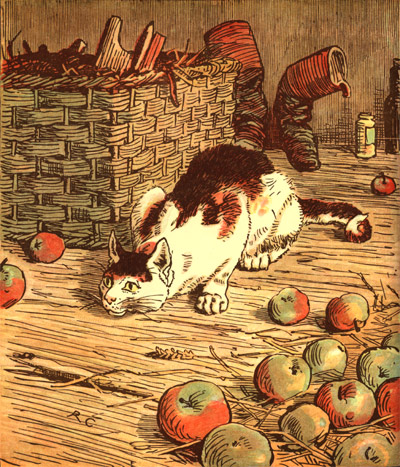
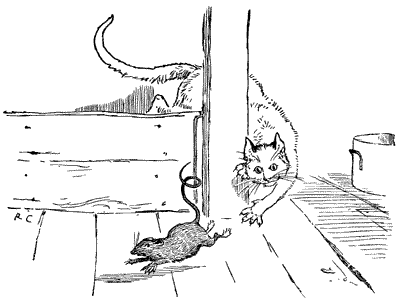
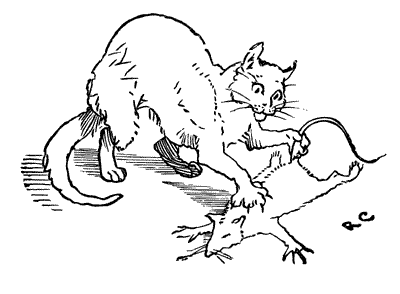
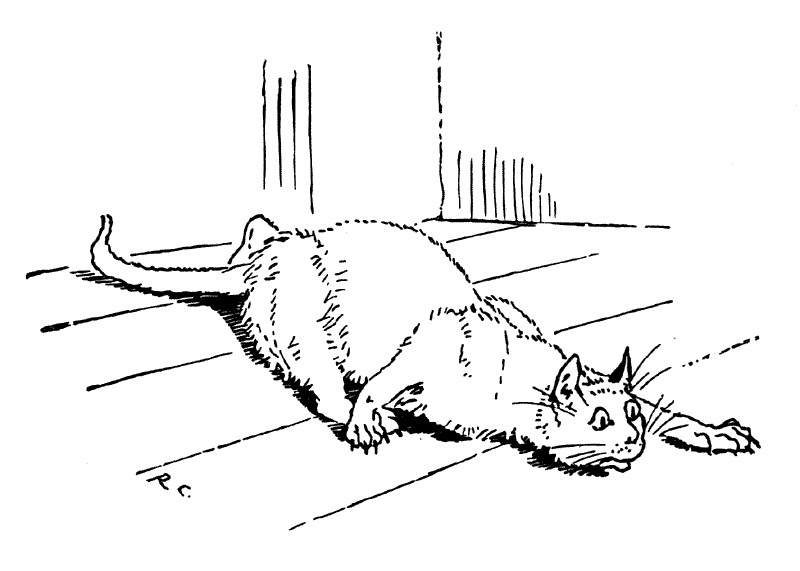
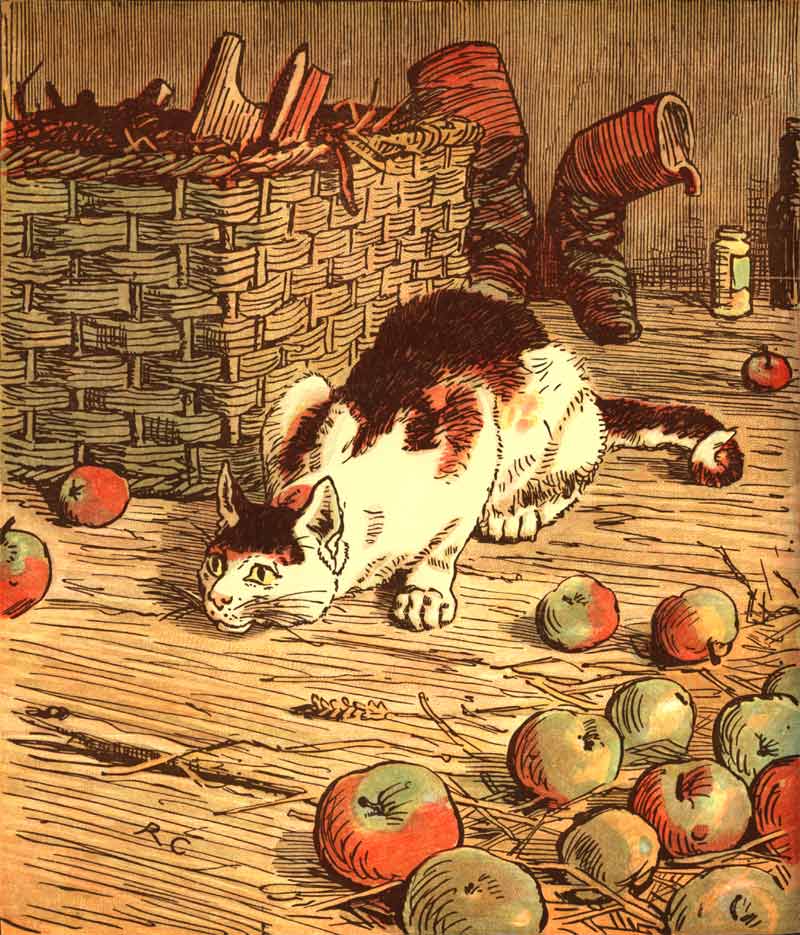
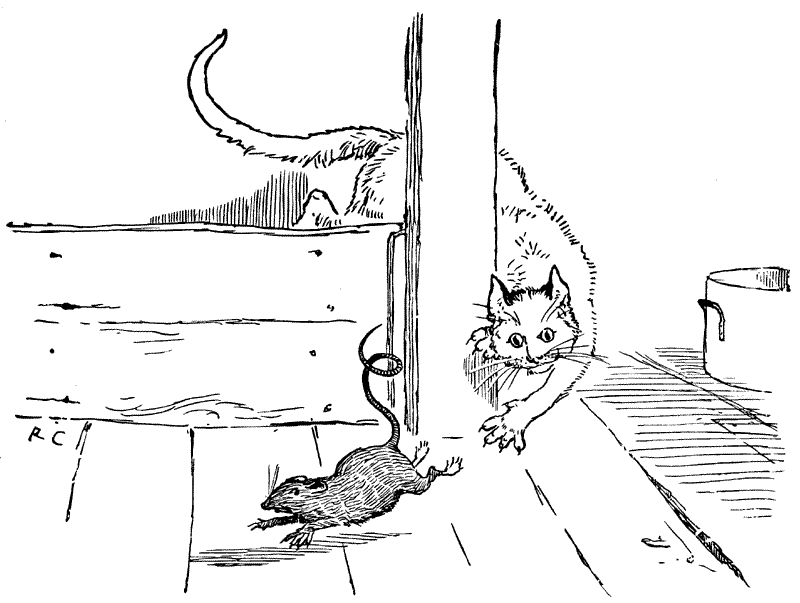
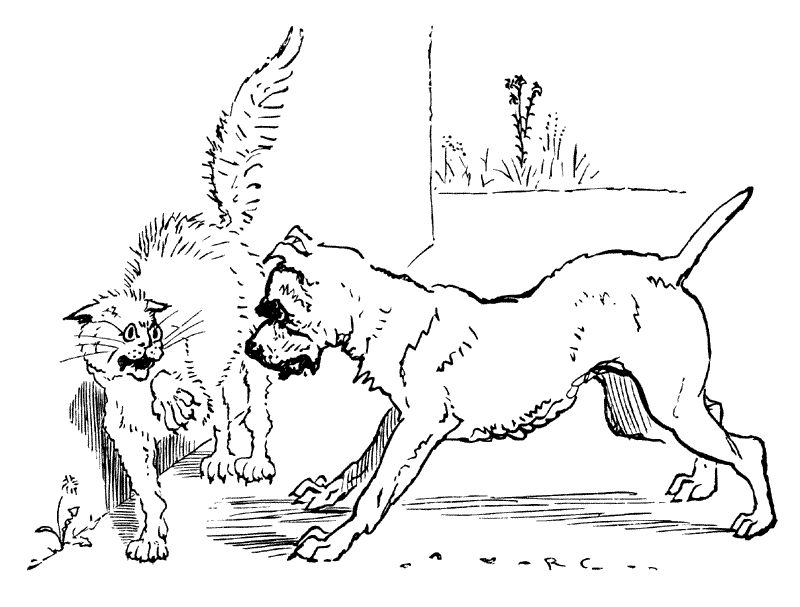
That lay in the House that Jack built.This is the Cat,
That killed the Rat,
That ate the Malt,
That lay in the House that Jack built.
 View larger image
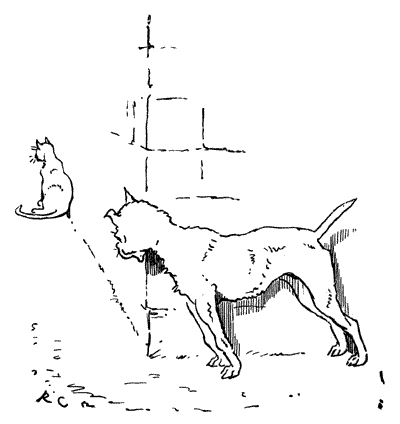
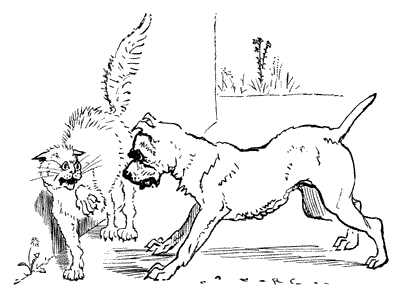
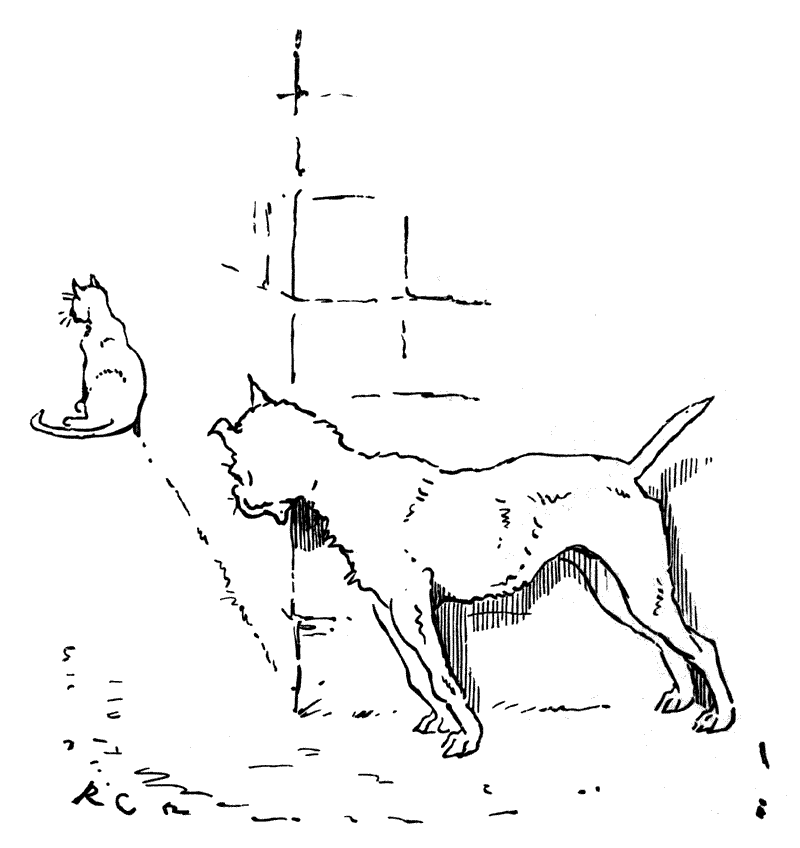
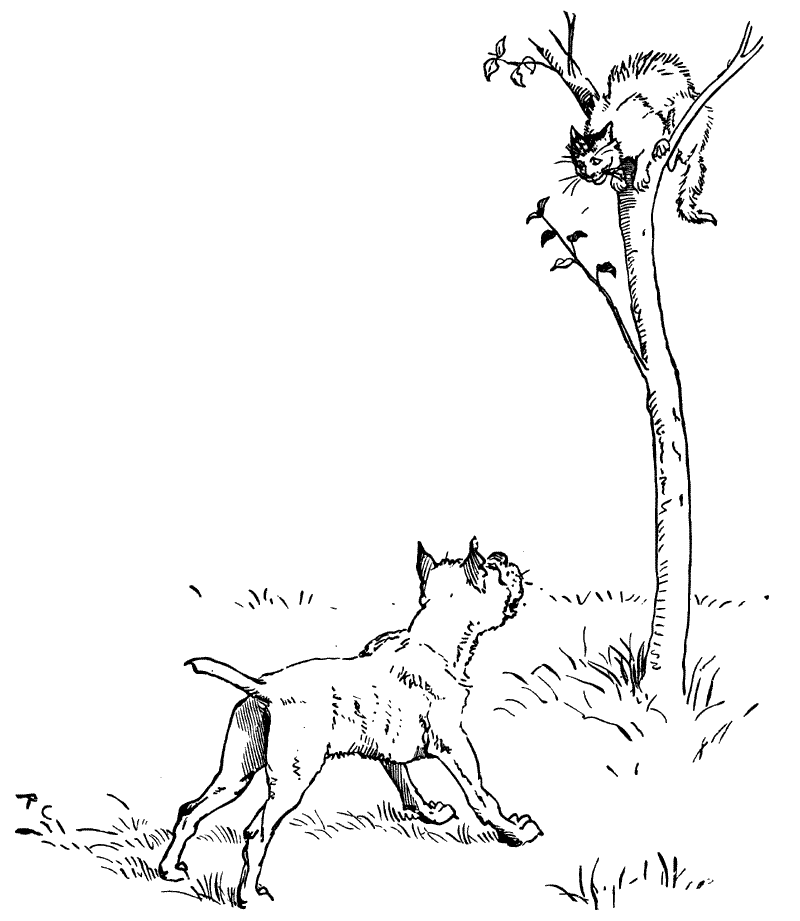
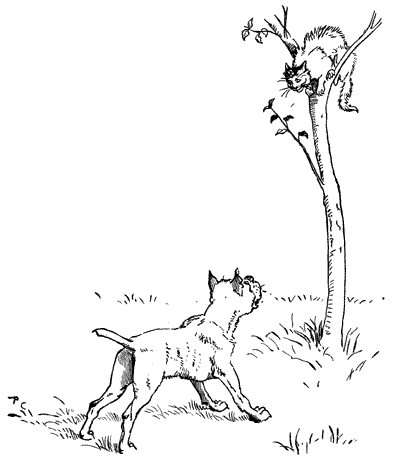
This is the Dog,
That worried the Cat,
That killed the Rat,
That ate the Malt,
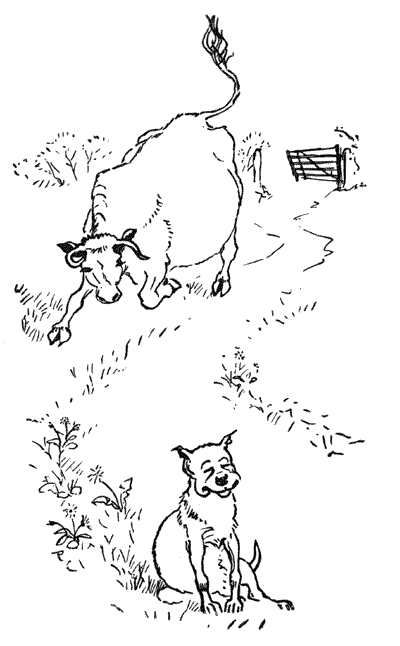
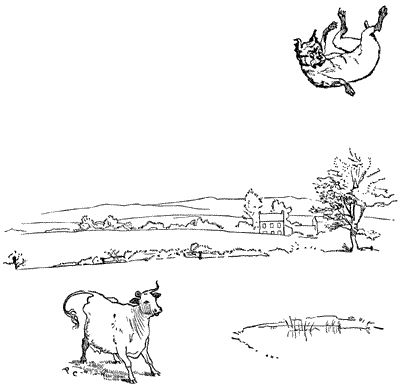
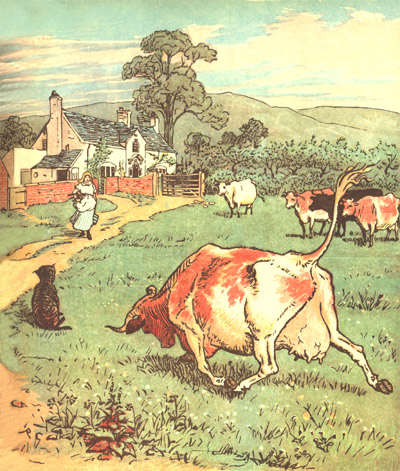
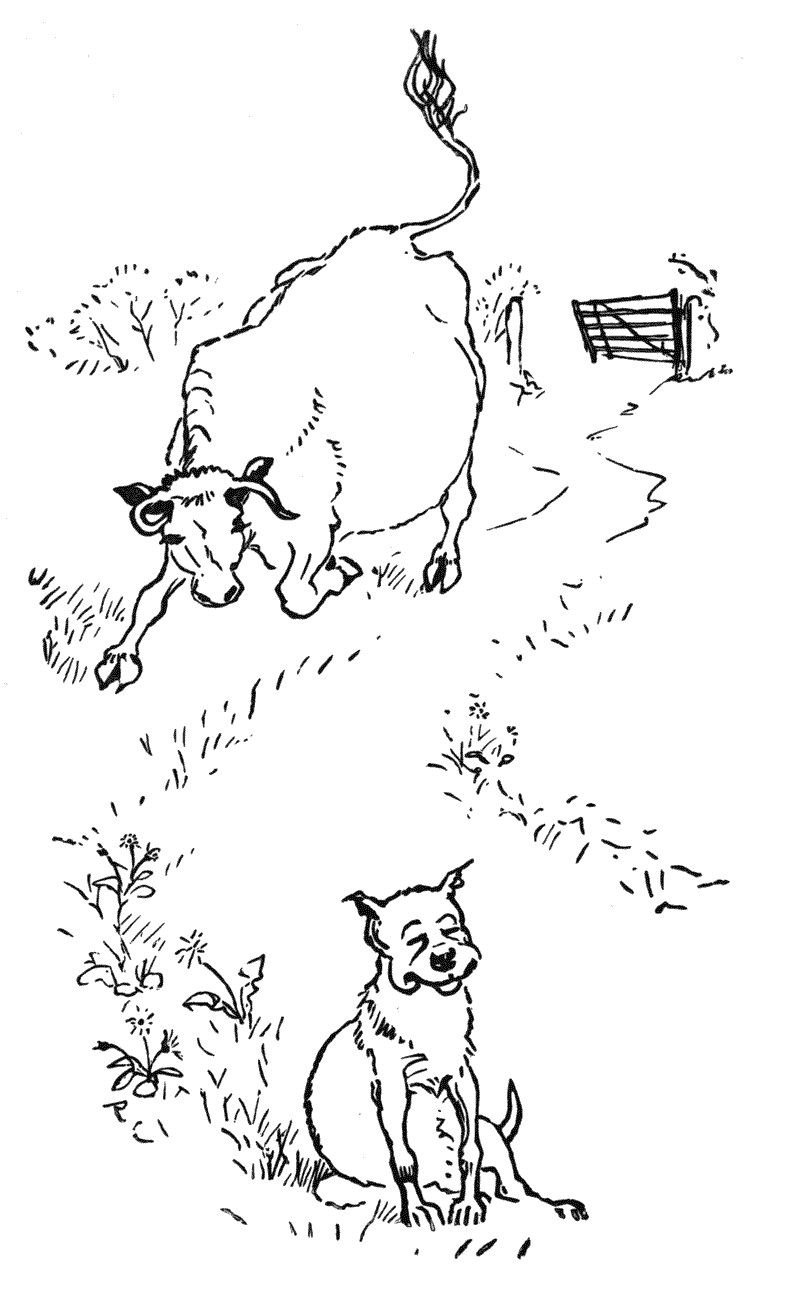
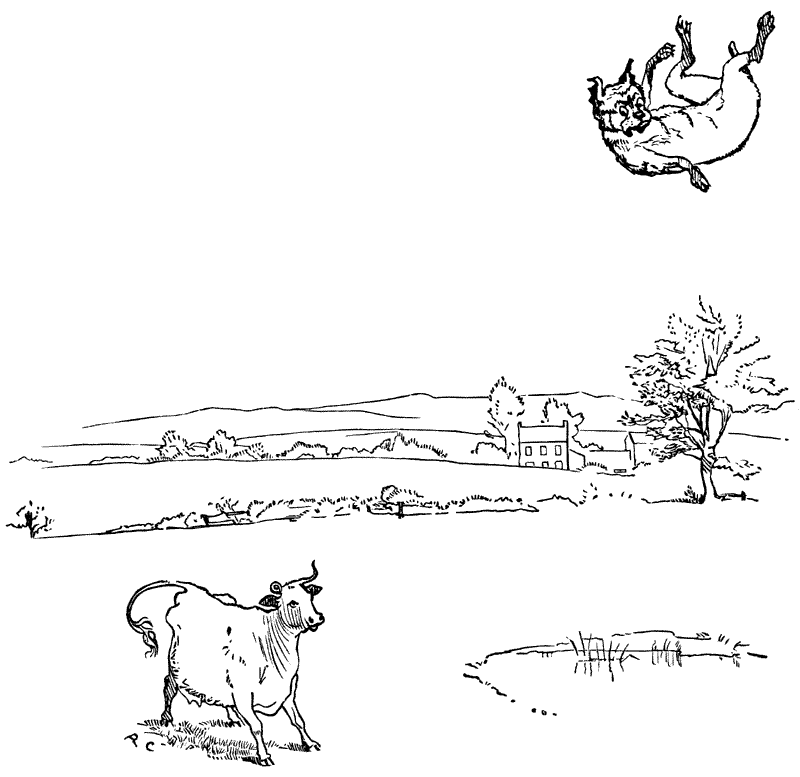
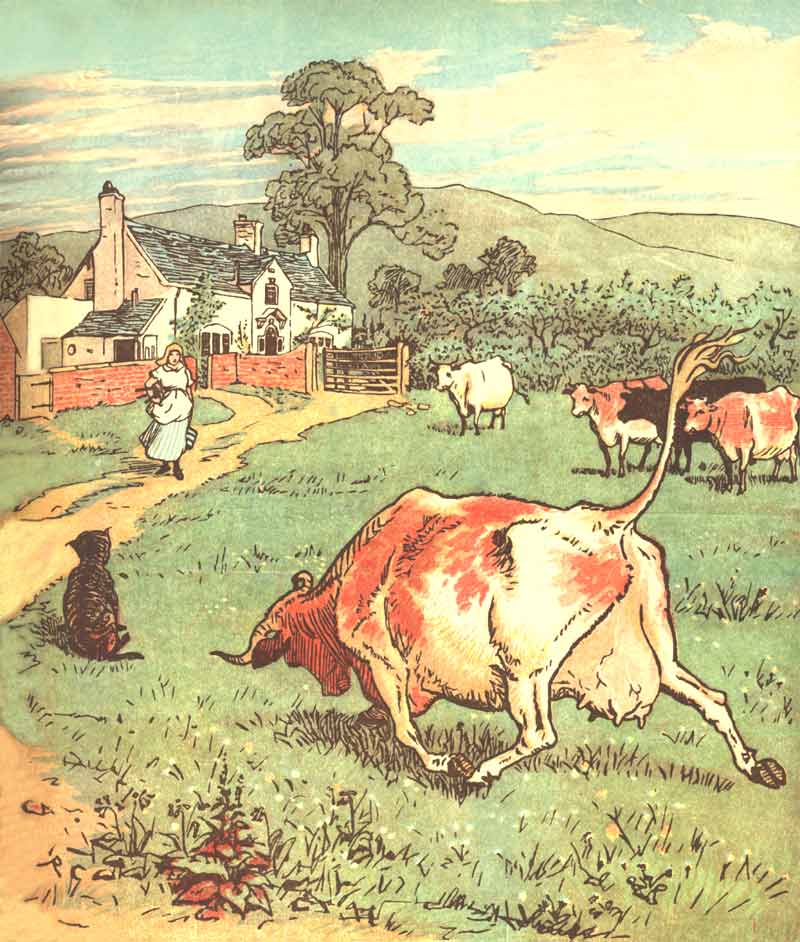
That lay in the House that Jack built.This is the Cow with the crumpled horn,
That tossed the Dog,
That worried the Cat,
That killed the Rat,
That ate the Malt,
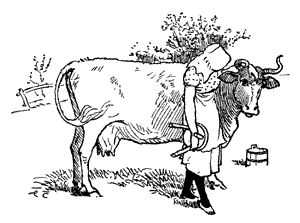
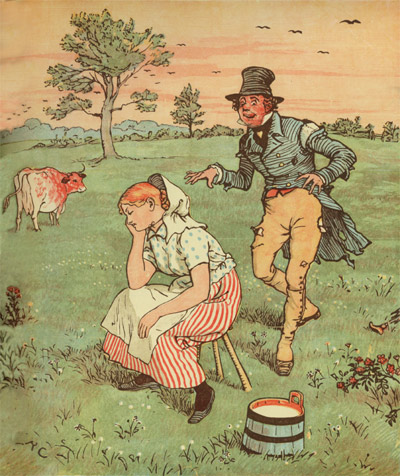
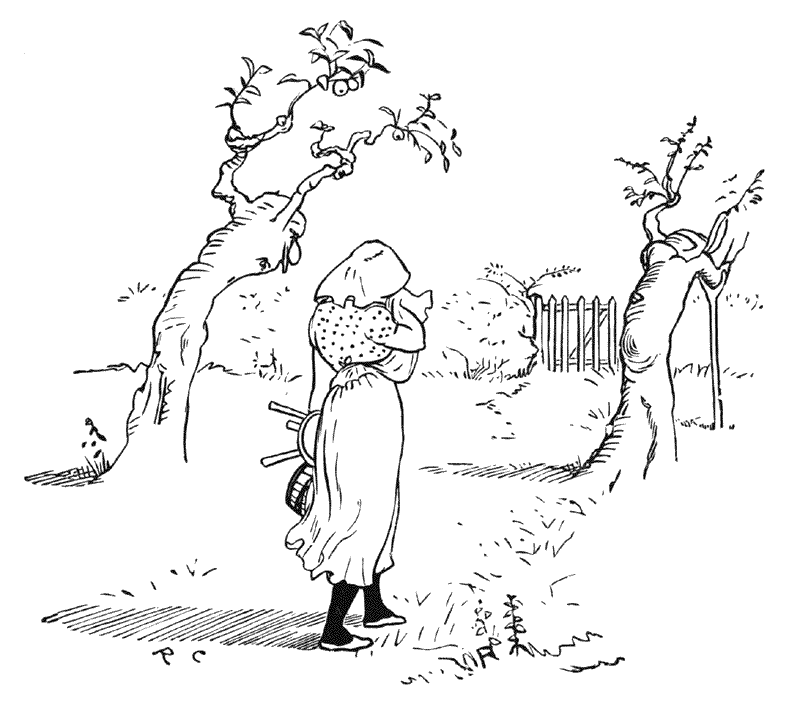
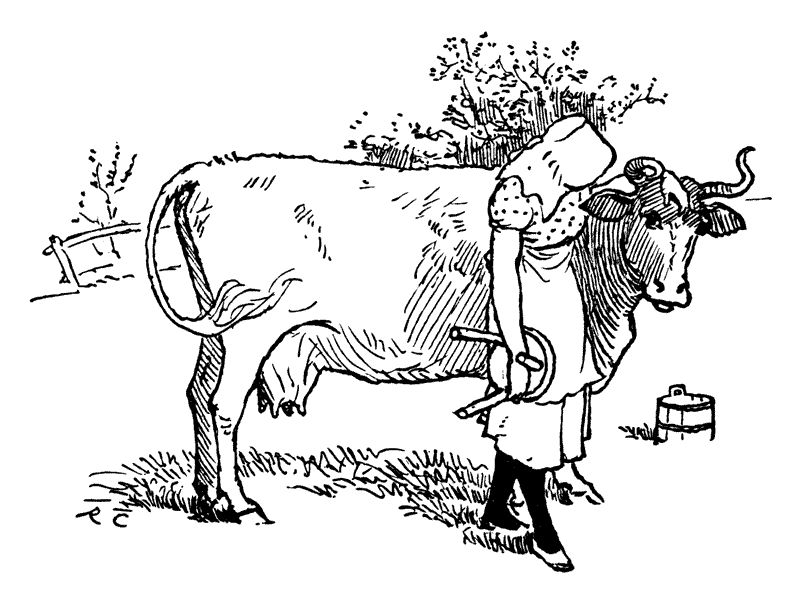
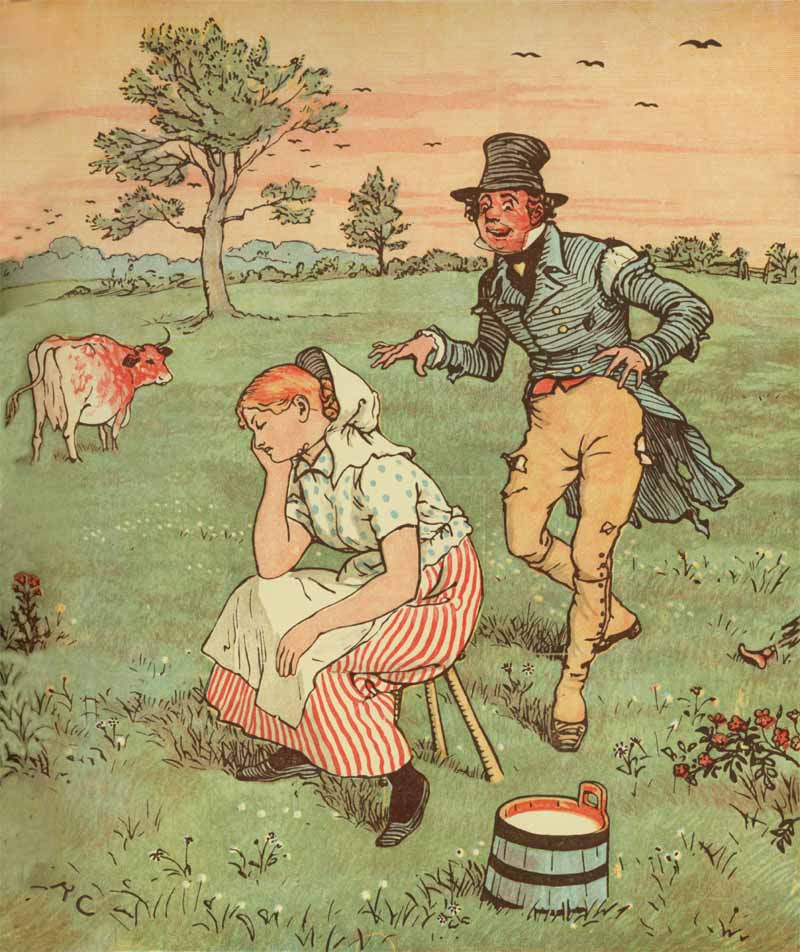
That lay in the House that Jack built.This is the Maiden all forlorn,
That milked the Cow with the crumpled horn,
That tossed the Dog,
That worried the Cat,
That killed the Rat,
That ate the Malt,
That lay in the House that Jack built.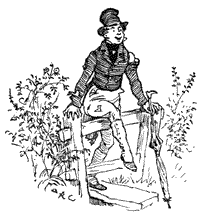 View larger image
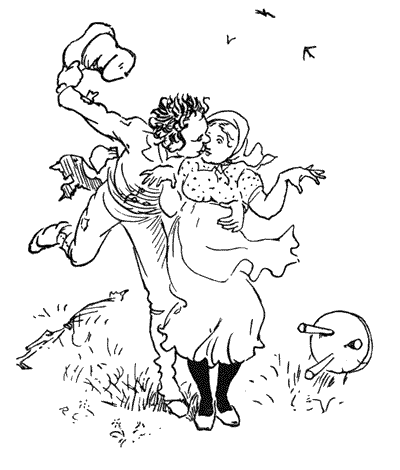
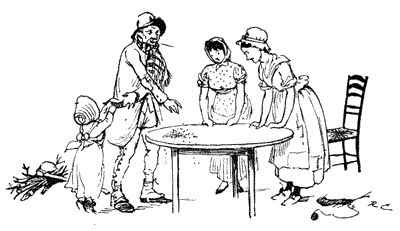
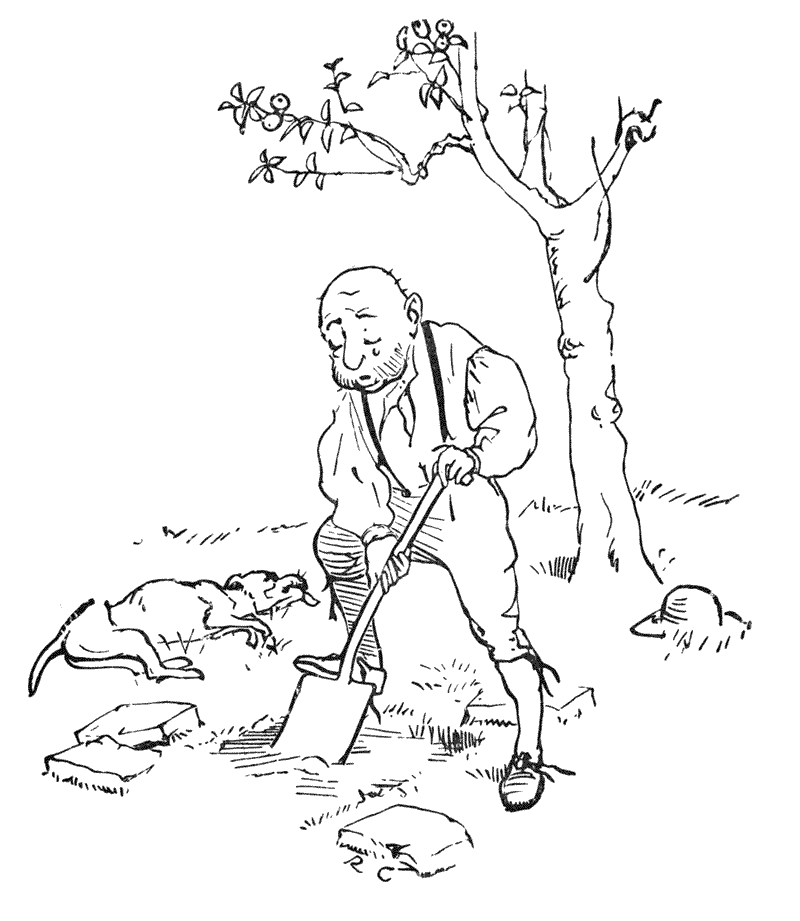
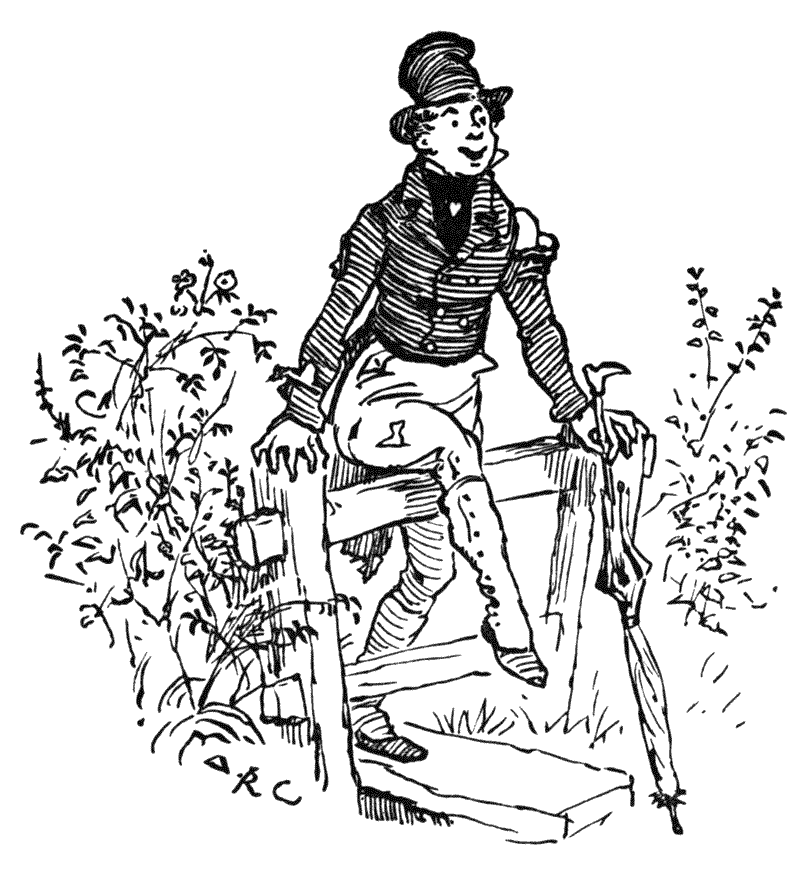
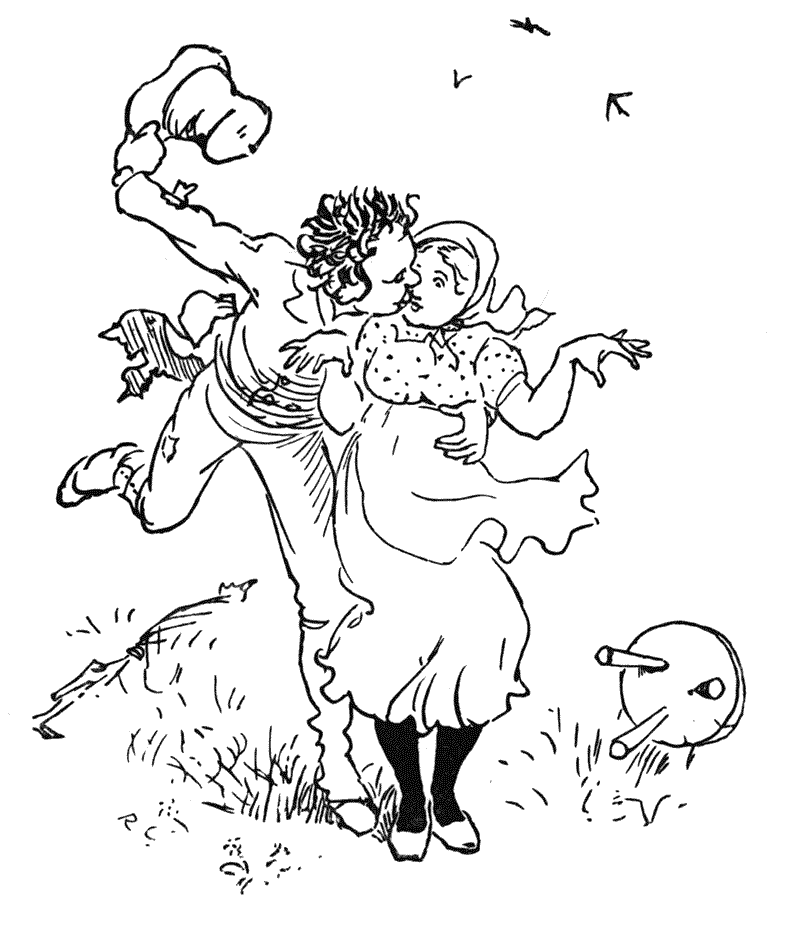
This is the Man all tattered and torn,
That kissed the Maiden all forlorn,
That milked the Cow with the crumpled horn,
That tossed the Dog,
That worried the Cat,
That killed the Rat,
That ate the Malt,
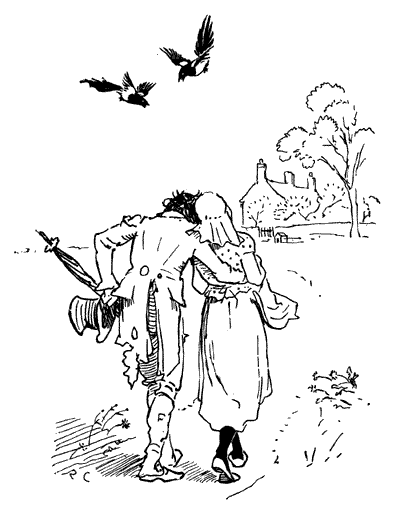
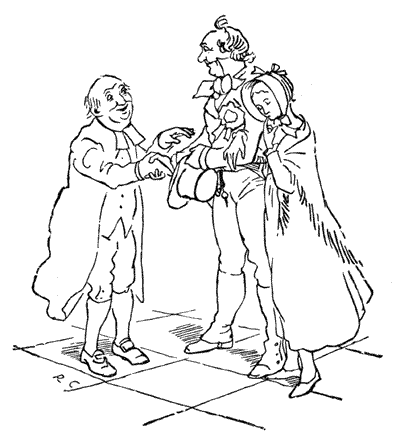
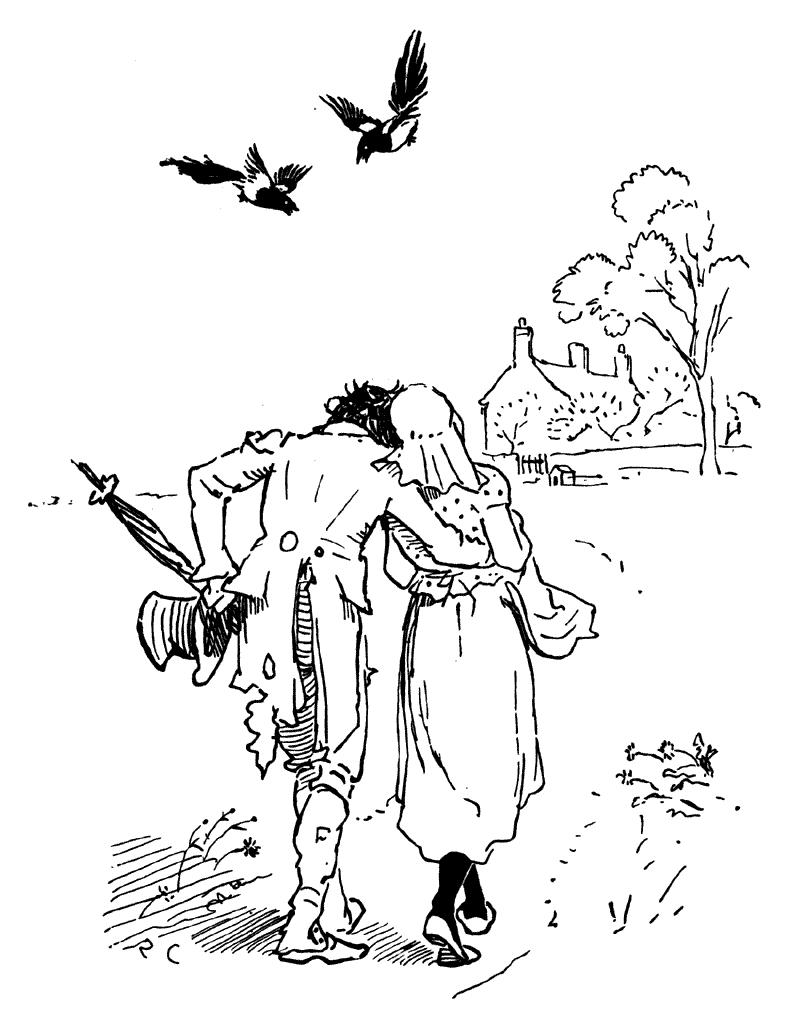
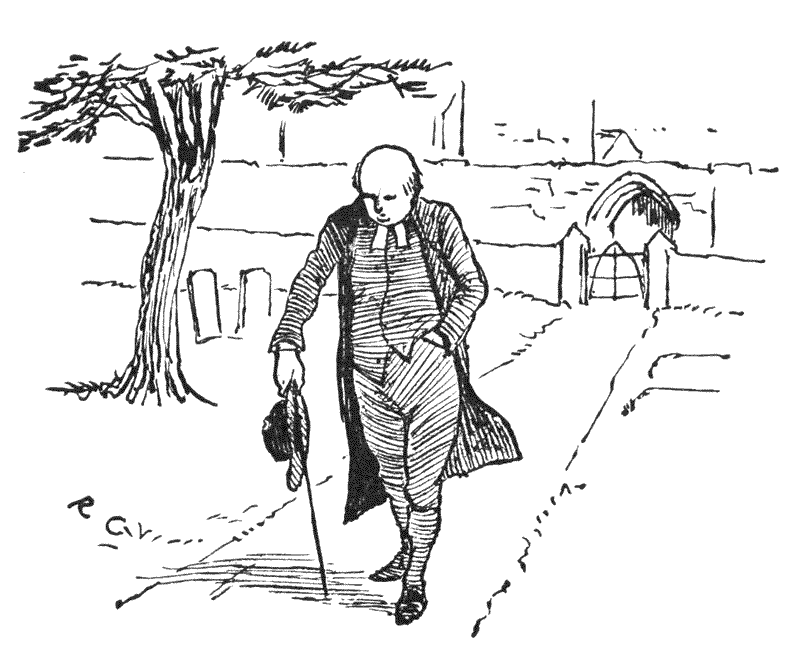
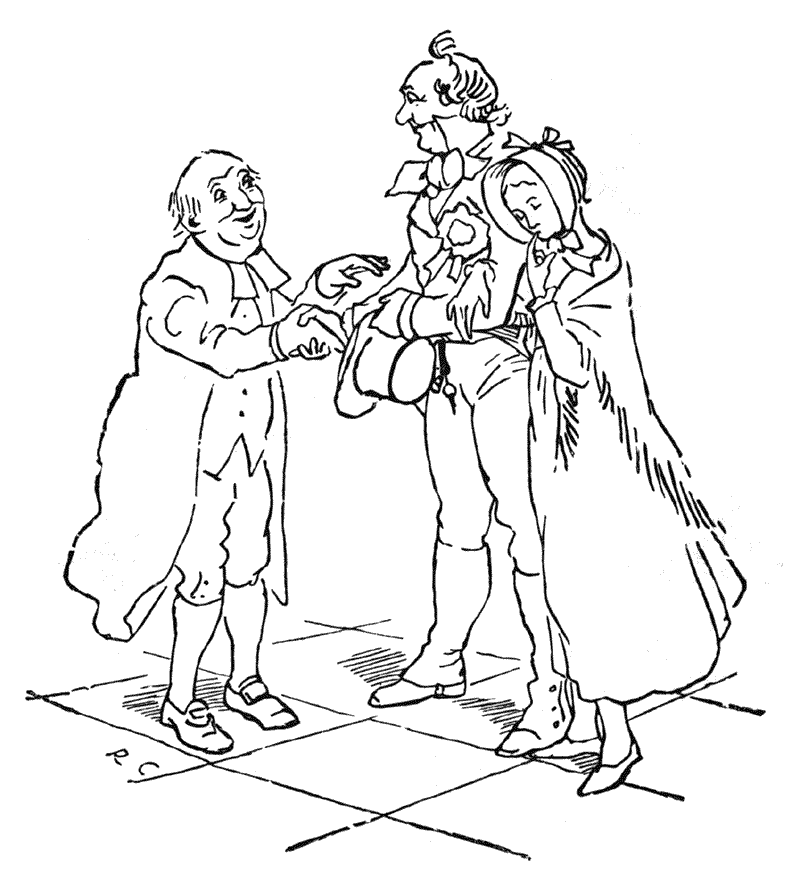
That lay in the House that Jack built.This is the Priest, all shaven and shorn,
That married the Man all tattered and torn,
That kissed the Maiden all forlorn,
That milked the Cow with the crumpled horn,
That tossed the Dog,
That worried the Cat,
That killed the Rat,
That ate the Malt,
That lay in the House that Jack built.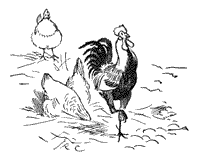
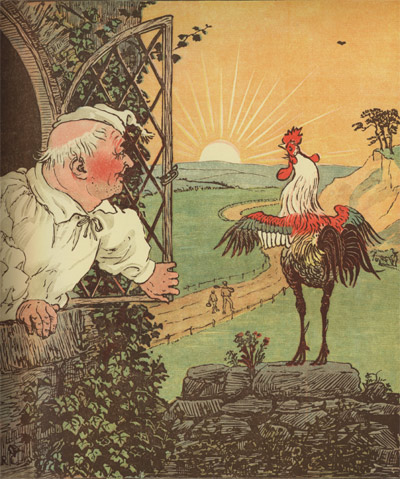
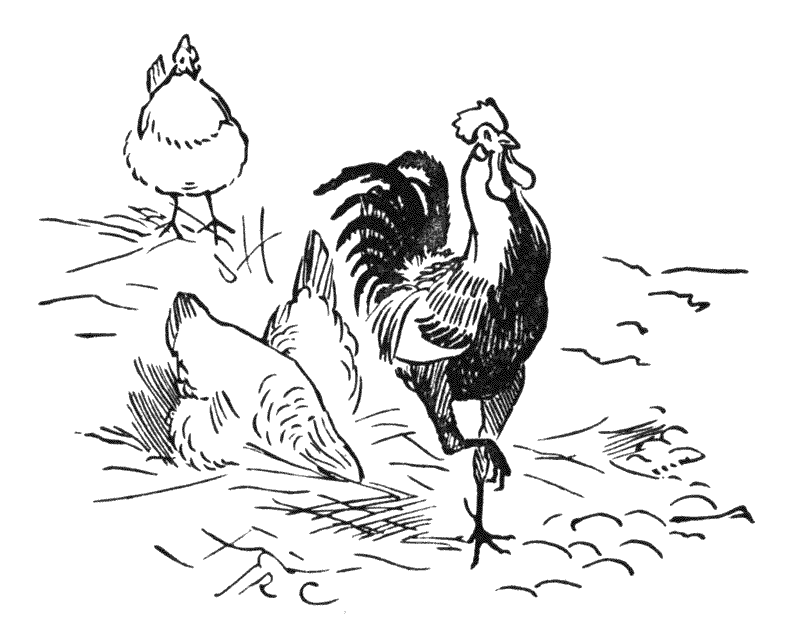
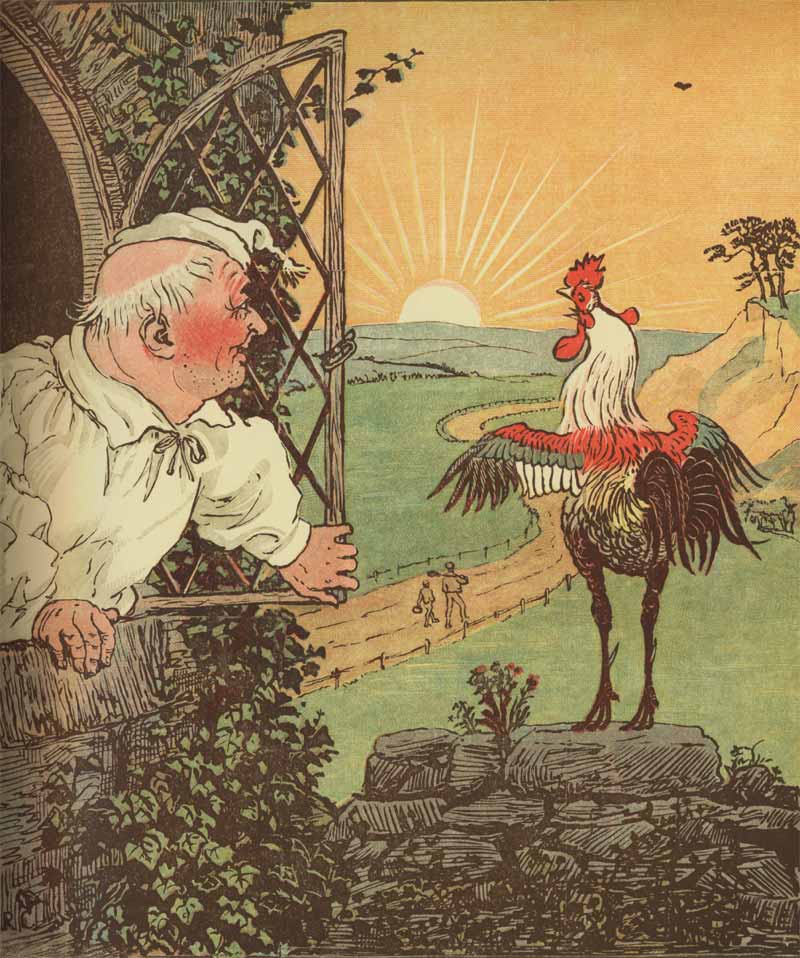
This is the Cock that crowed in the morn,
That waked the Priest all shaven and shorn,
That married the Man all tattered and torn,
That kissed the Maiden all forlorn,
That milked the Cow with the crumpled horn,
That tossed the Dog,
That worried the Cat,
That killed the Rat,
That ate the Malt,
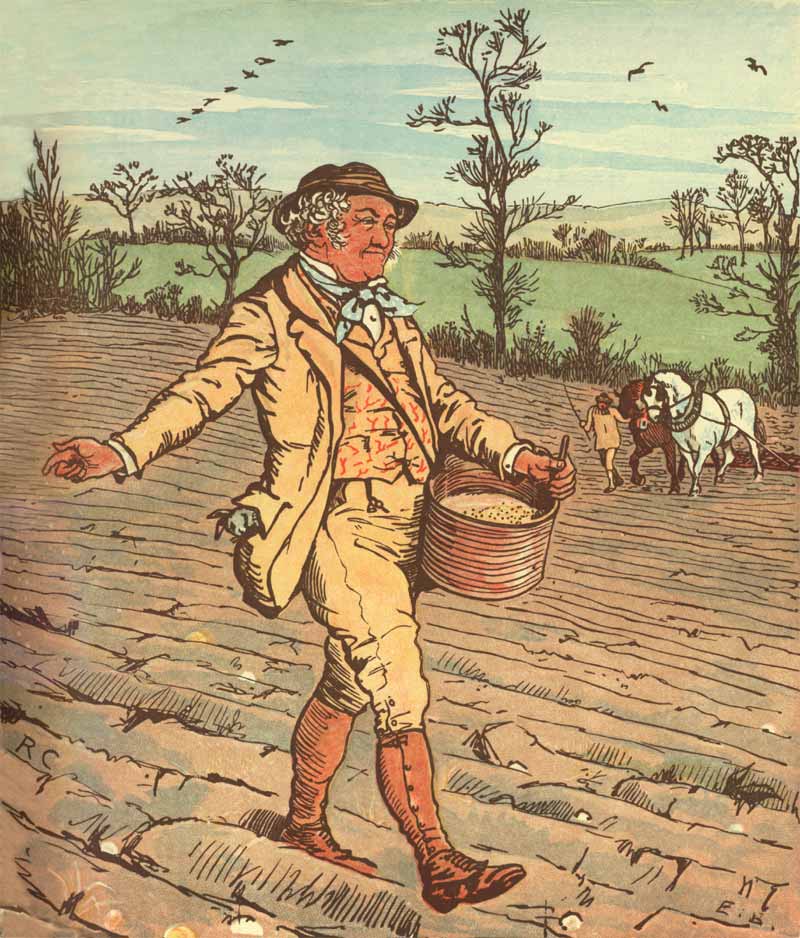
That lay in the House that Jack built.This is the Farmer who sowed the corn,
That fed the Cock that crowed in the morn,
That waked the Priest all shaven and shorn,
That married the Man all tattered and torn,
That kissed the Maiden all forlorn,
That milked the Cow with the crumpled horn,
That tossed the Dog,
That worried the Cat,
That killed the Rat,
That ate the Malt,
That lay in the House that Jack built.
-
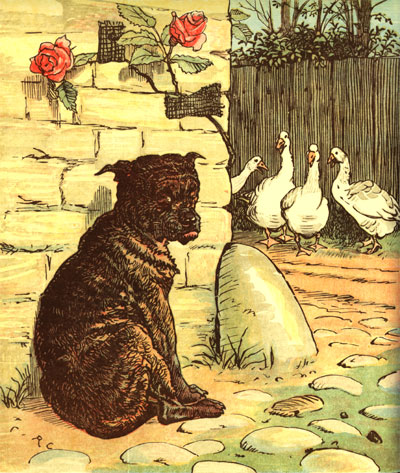
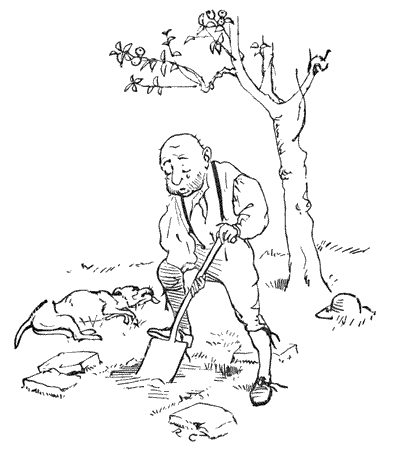
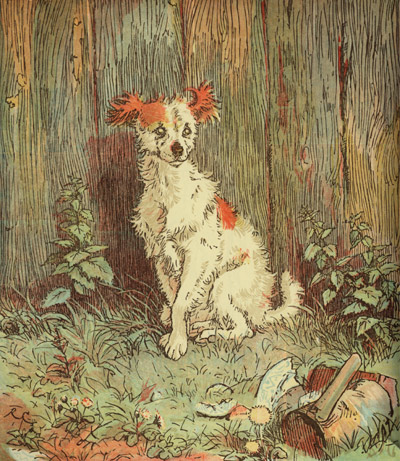
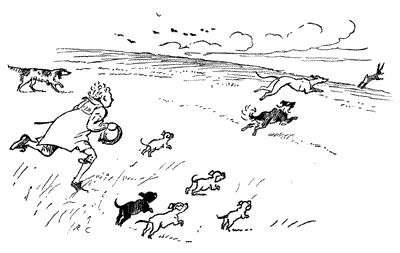
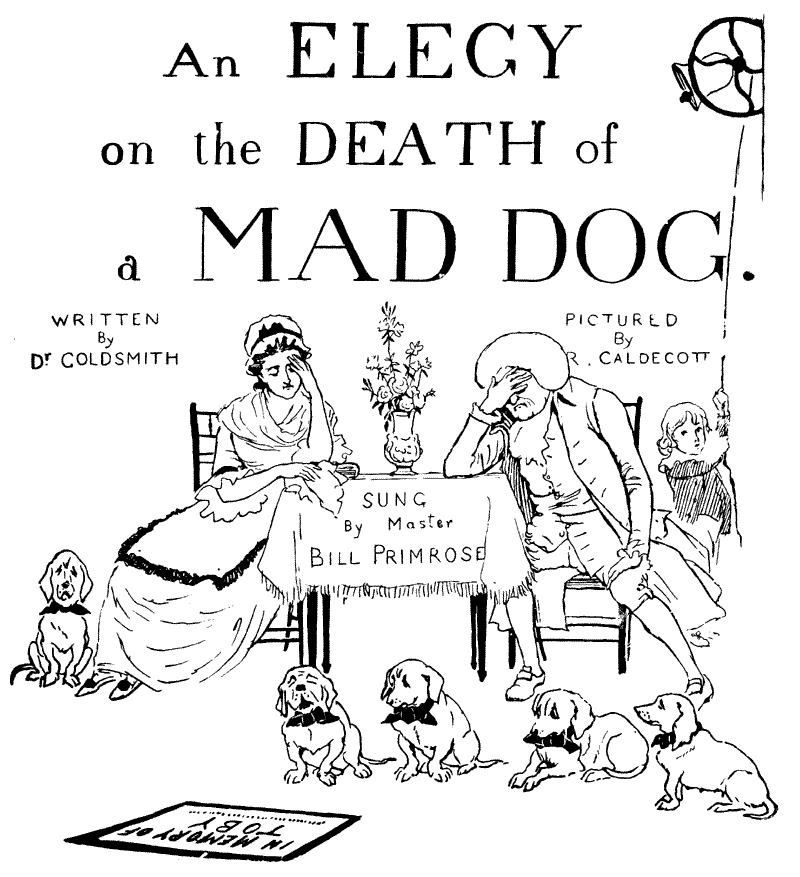
AN ELEGY ON THE DEATH OF A MAD DOG
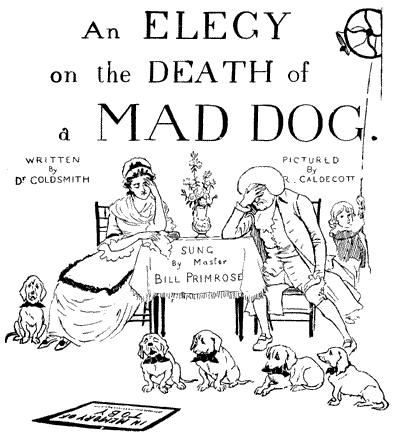 An ELEGY on the DEATH of a MAD DOG.
WRITTEN By Dr. GOLDSMITH
PICTURED By R. CALDECOTT
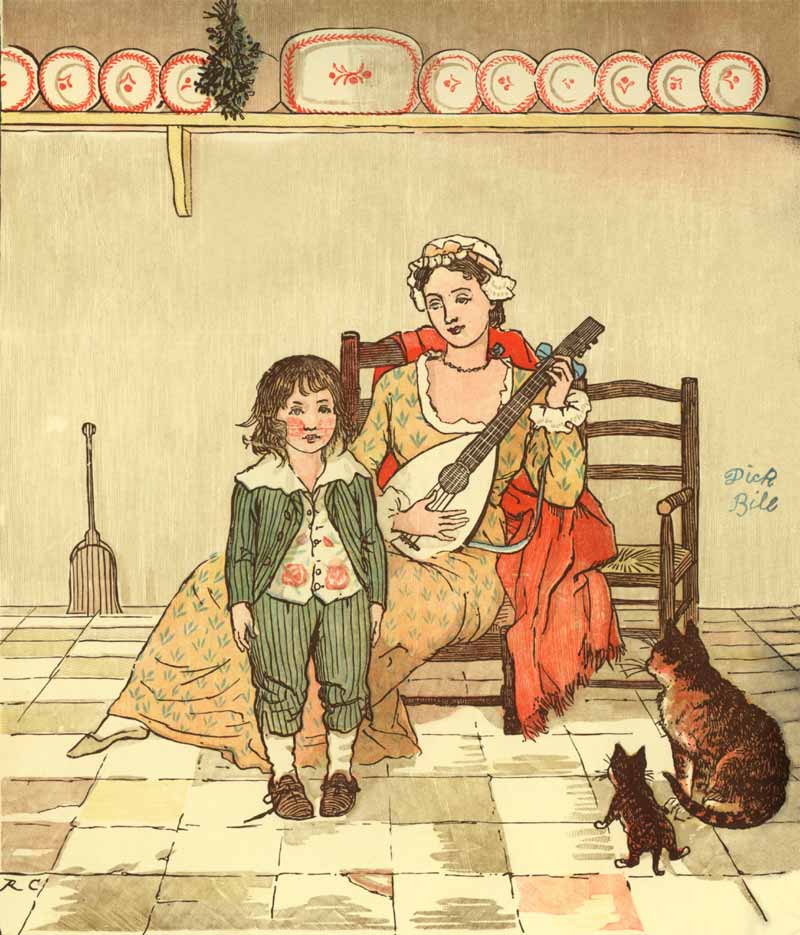
SUNG By Master BILL PRIMROSE
IN MEMORY OF TOBY
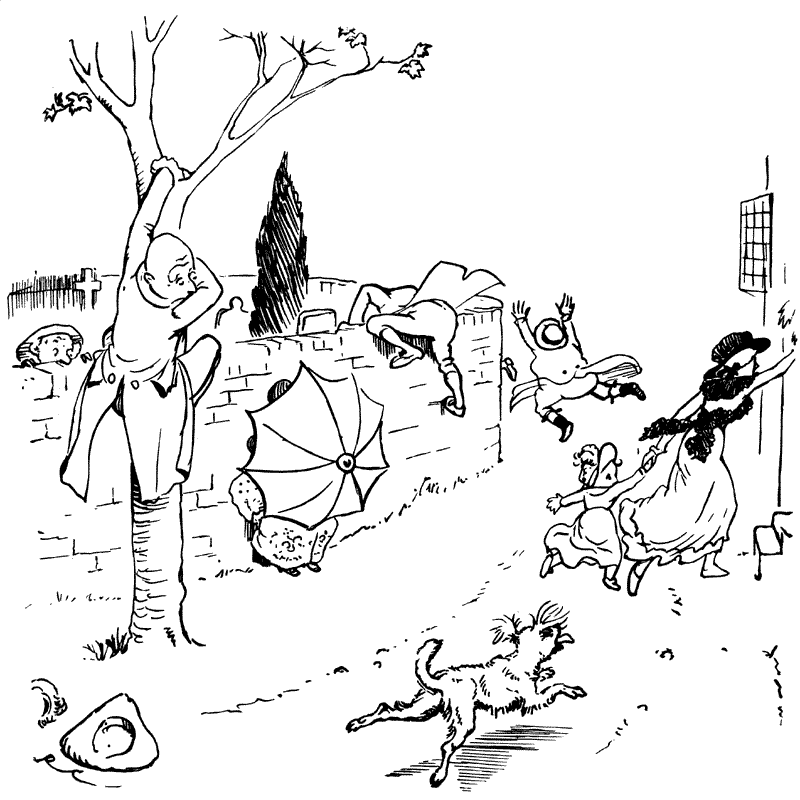
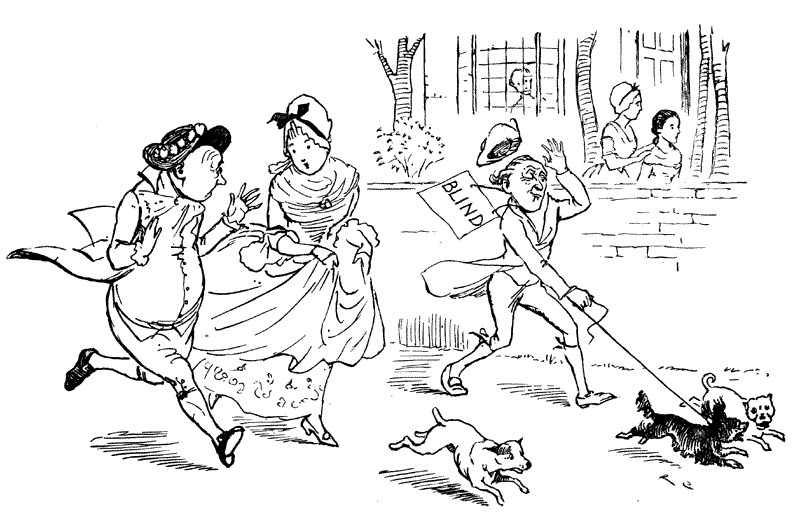
View larger imageGOOD people all, of every sort,
Give ear unto my song;
And if you find it wondrous short,
It cannot hold you long.
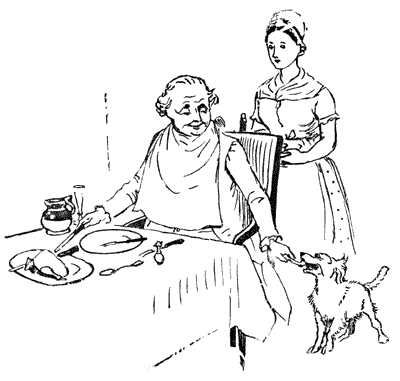
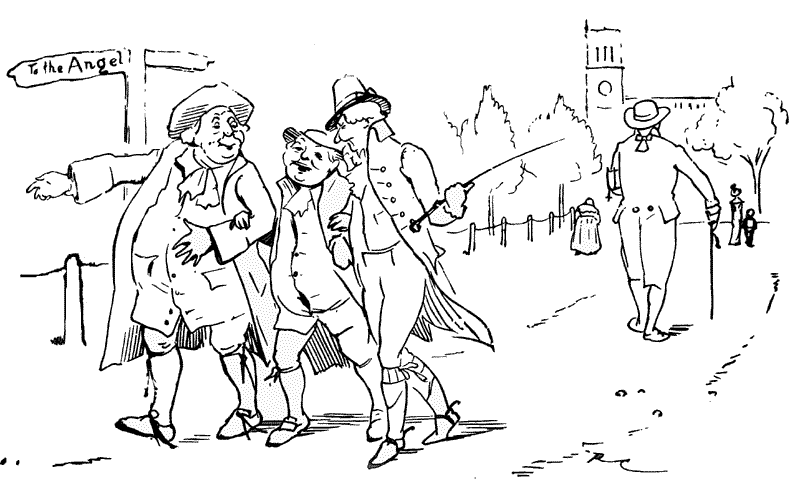
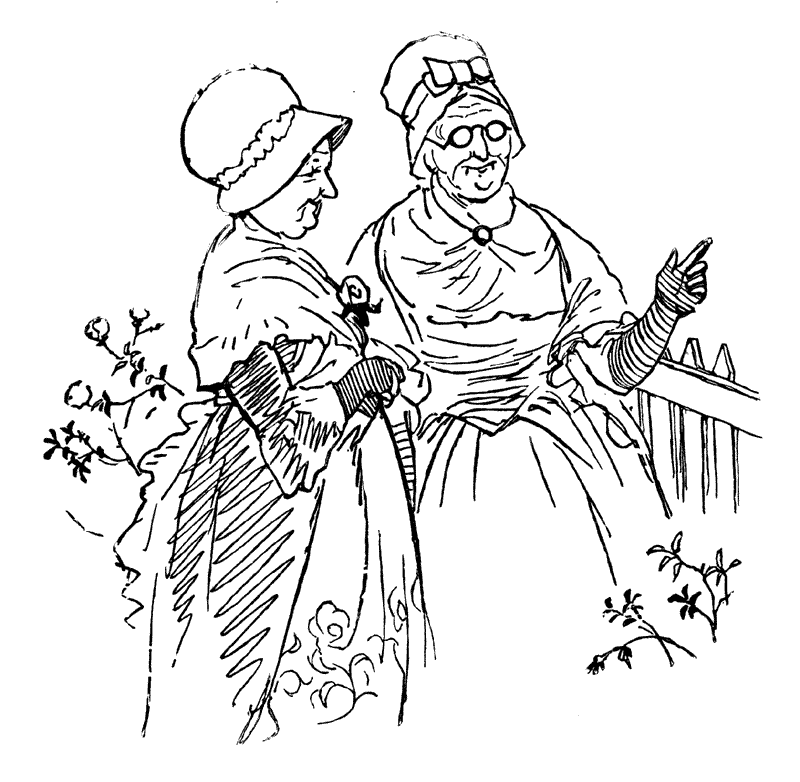
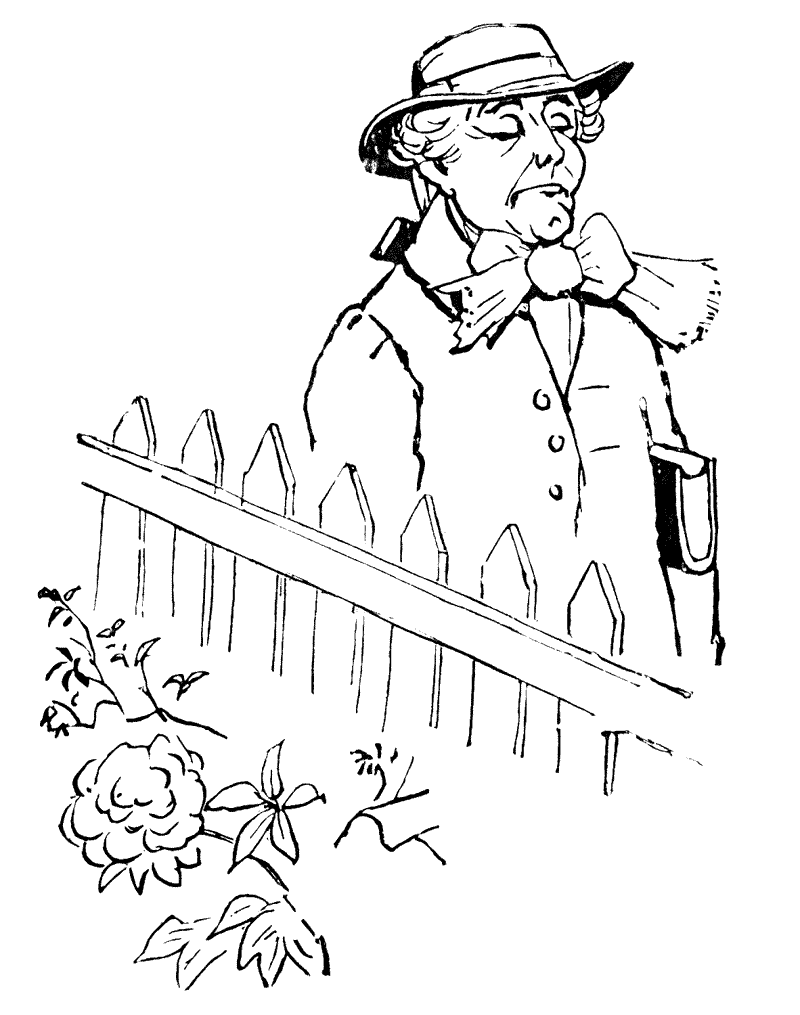
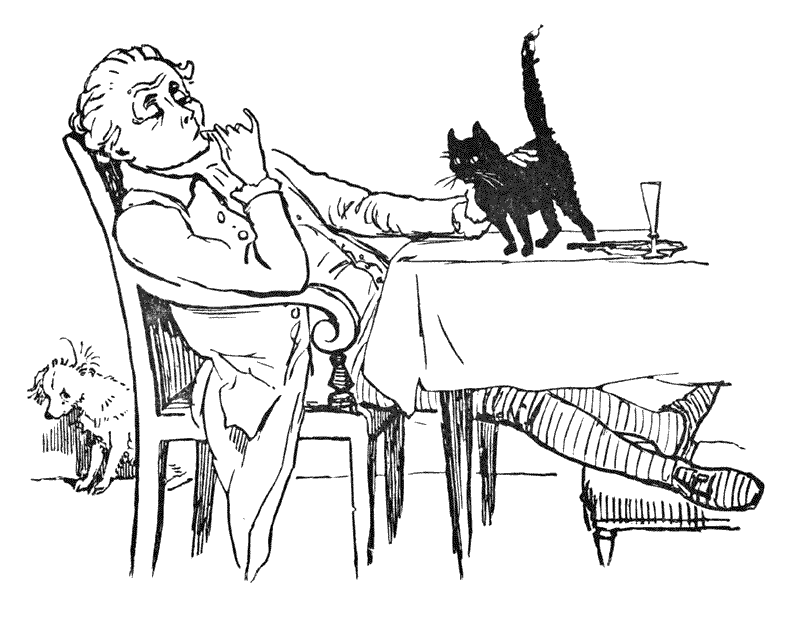
In Islington there lived a man,
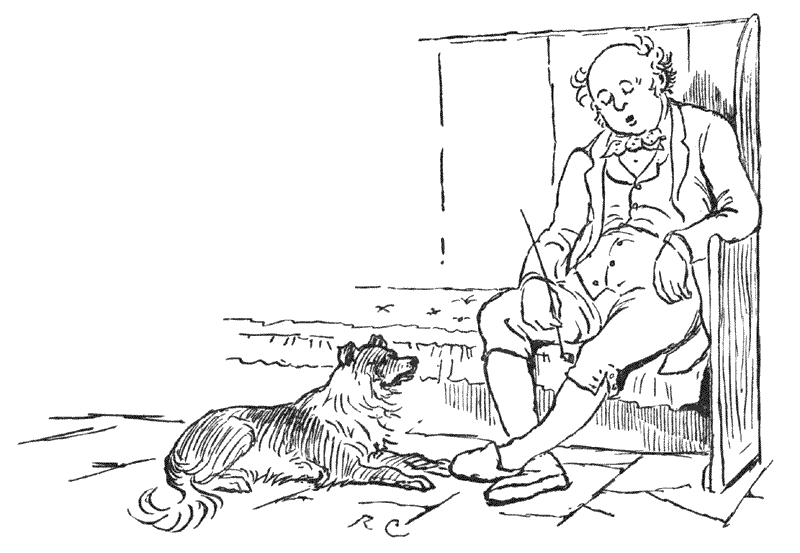
Of whom the world might say,
That still a godly race he ran,
Whene’er he went
to pray.
A kind and gentle heart he had,
To comfort friends and foes;
The naked every day he clad,
When he put on
his clothes.
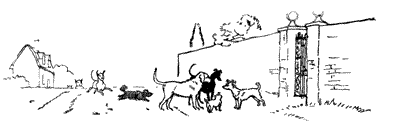
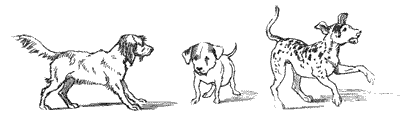
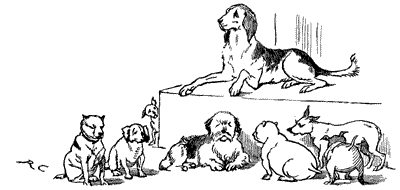
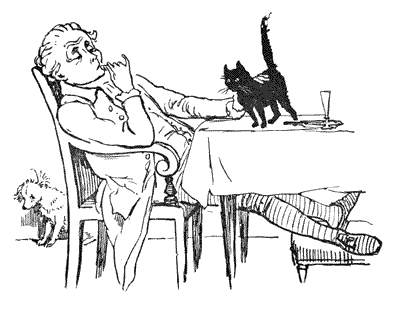
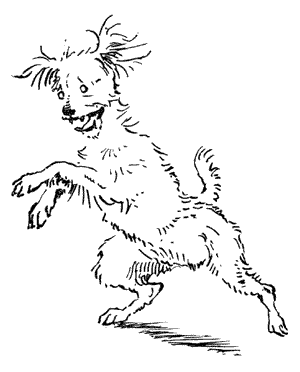
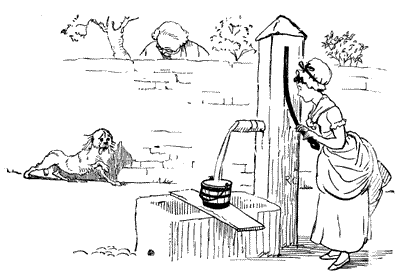
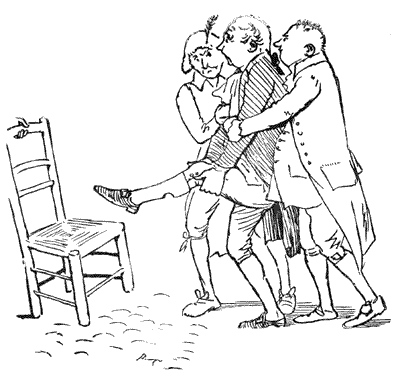
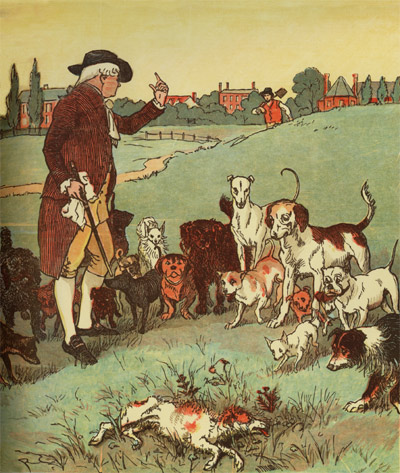
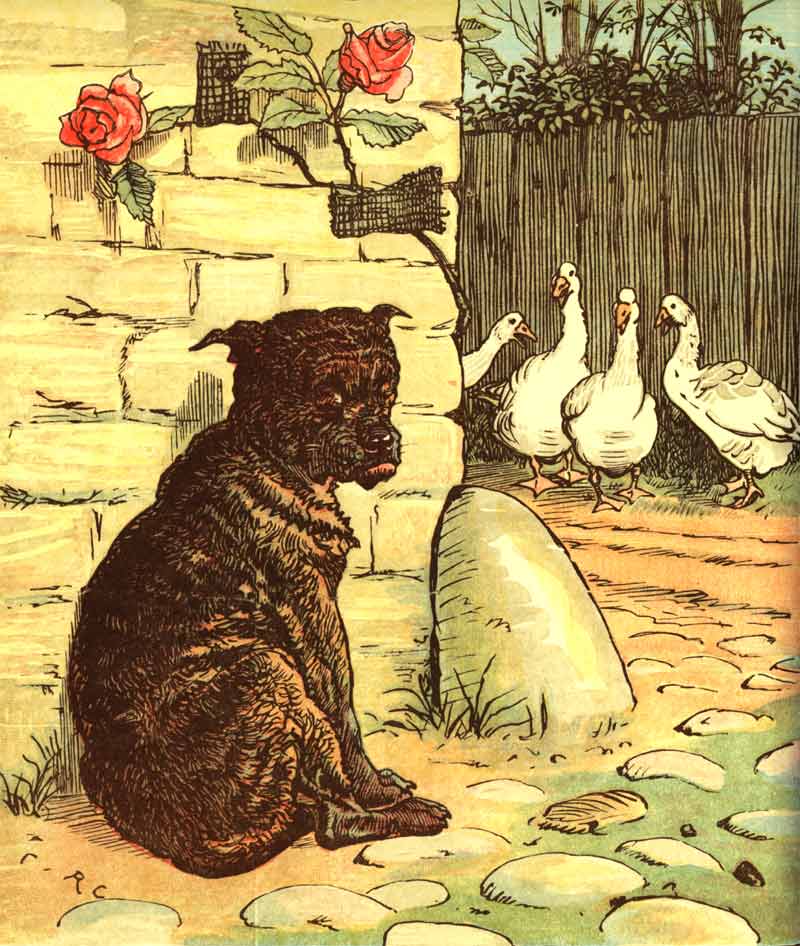
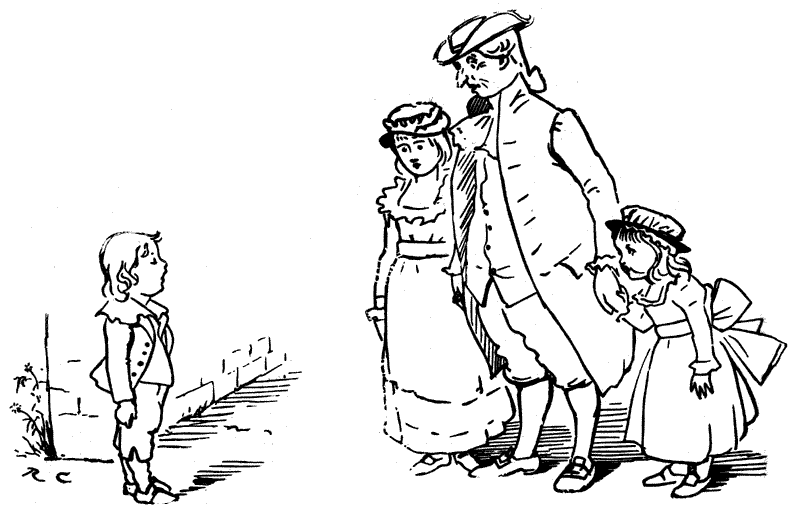
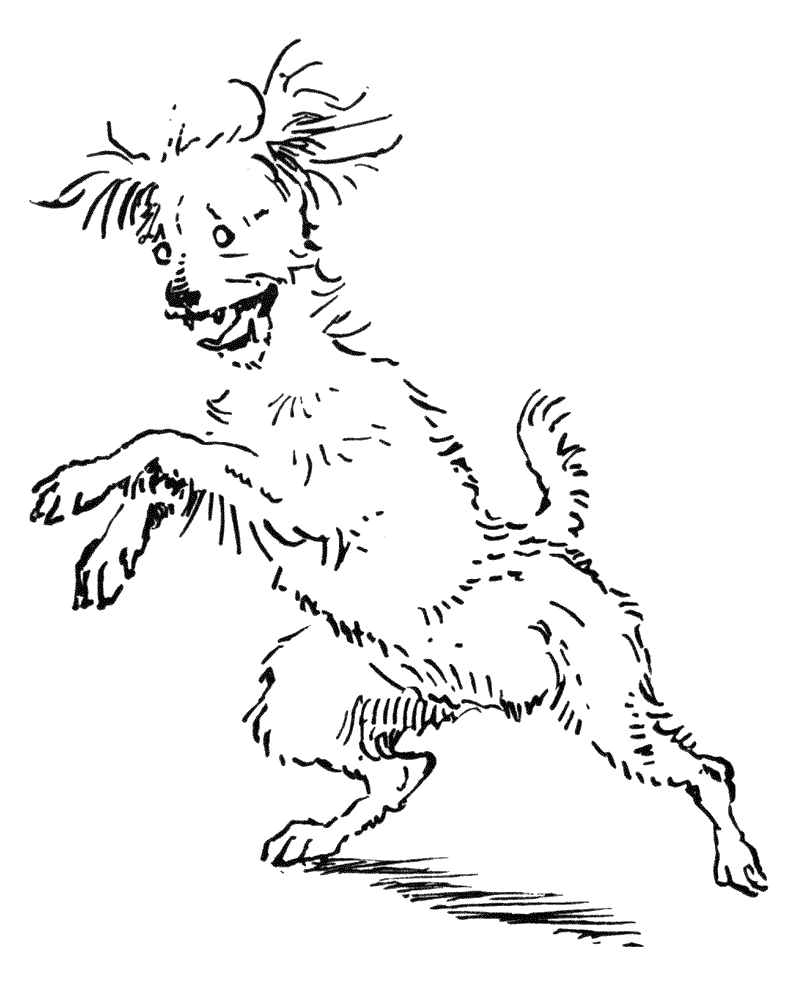
And in that town a dog was found:
As many dogs there be—
Both mongrel, puppy, whelp,
and hound,
And curs of low degree.
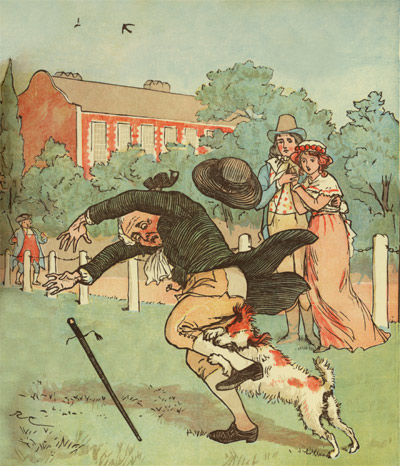
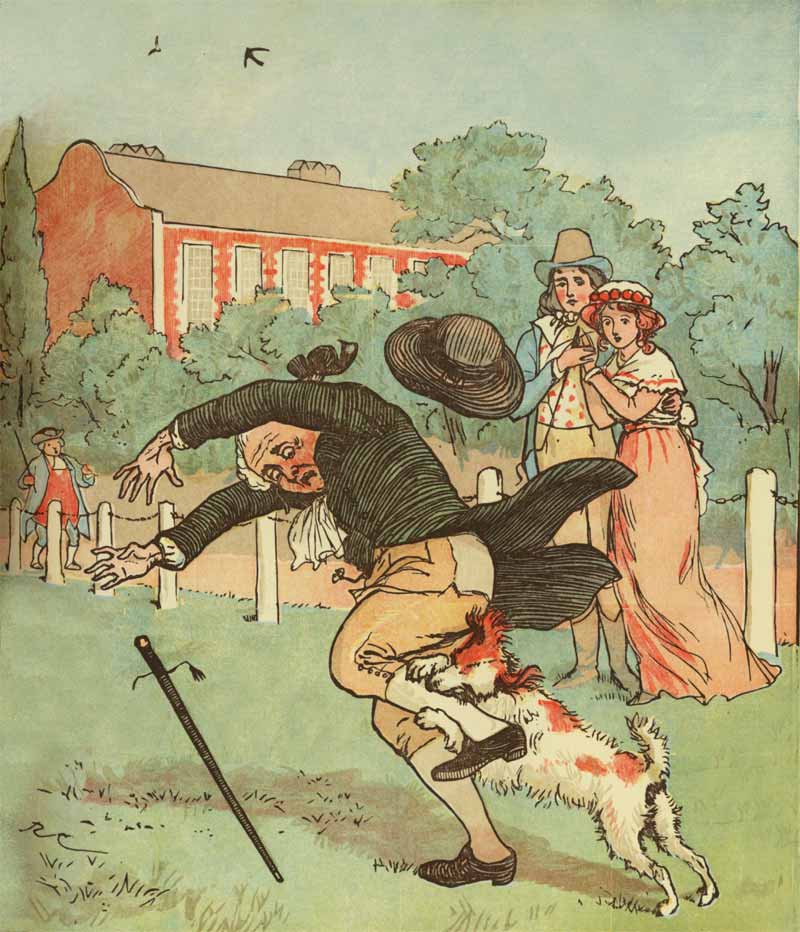
This dog and man at first were friends;
But, when a pique began,
The dog, to gain some private ends,
Went mad, and bit the man.
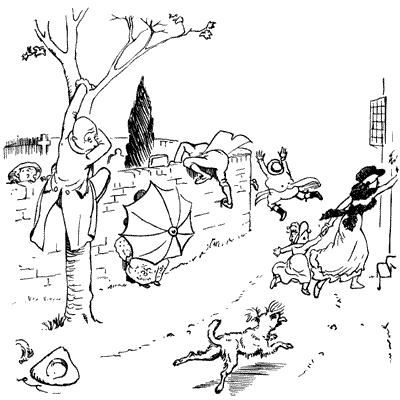
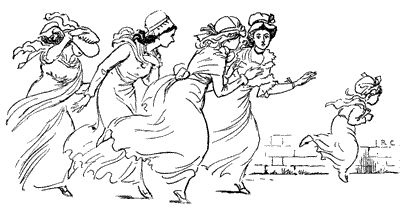
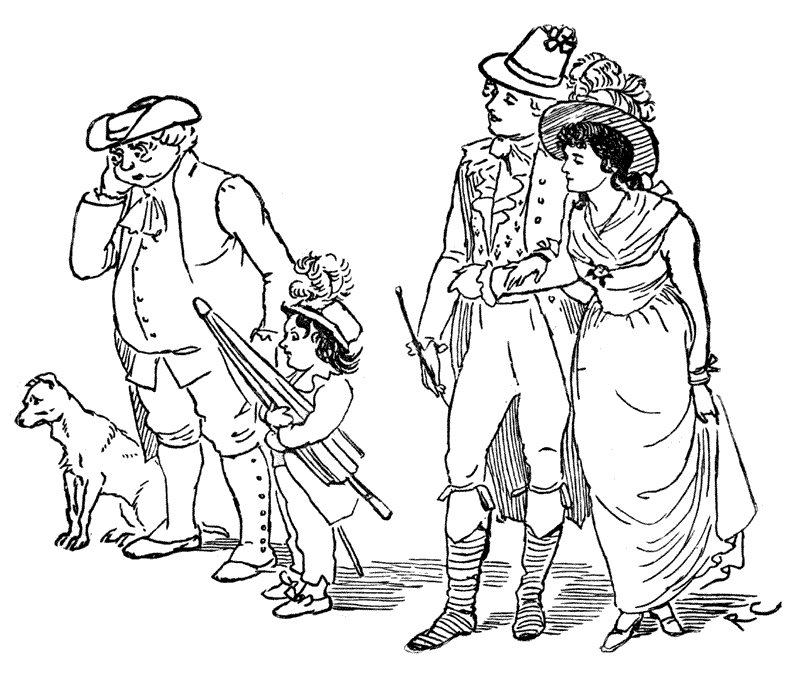
Around from all
the neighbouring streets
The wondering neighbours ran;
And swore the dog had lost his wits,
To bite so good a man.
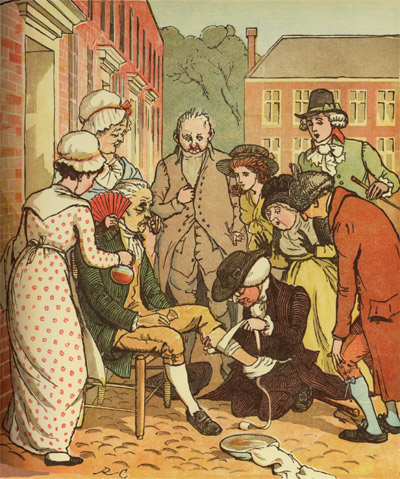
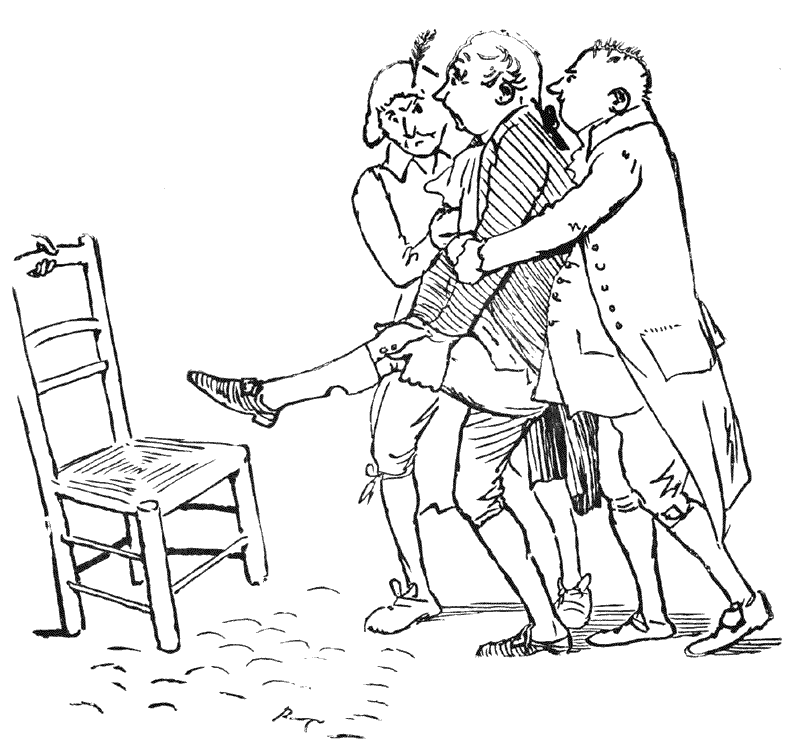
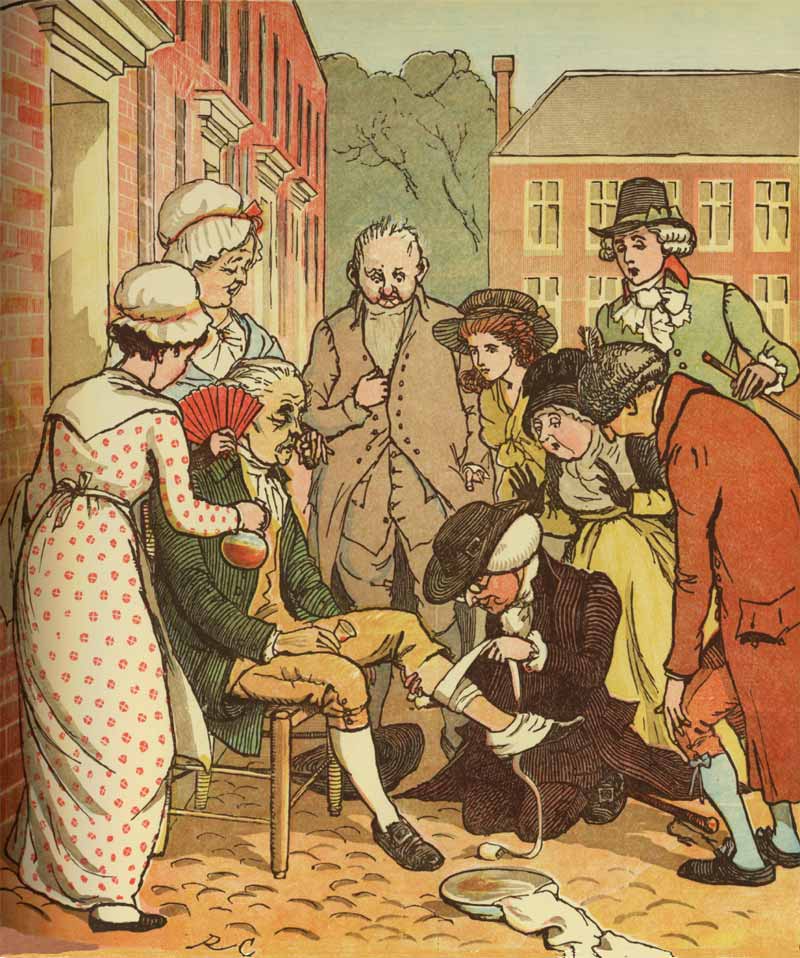
The wound it seem’d both sore and sad
To every christian eye;
And while they swore the dog was mad,
They swore the man would die.
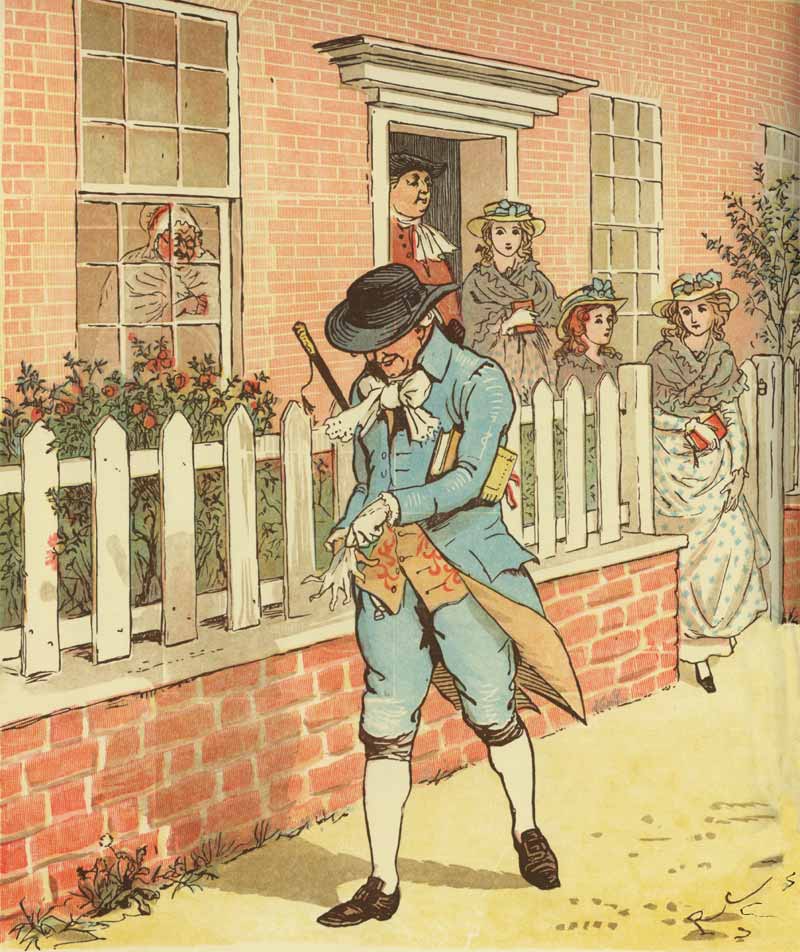
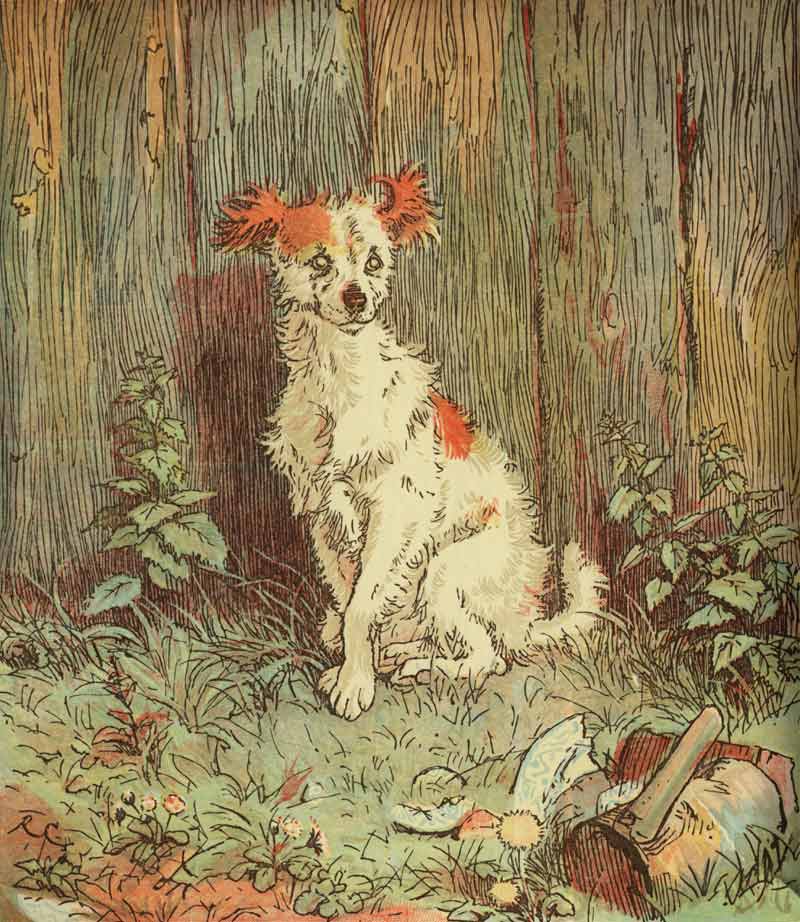
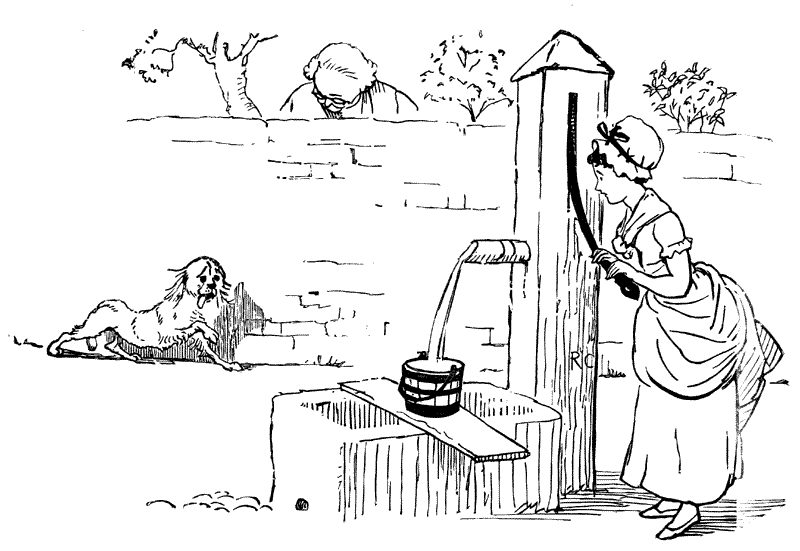
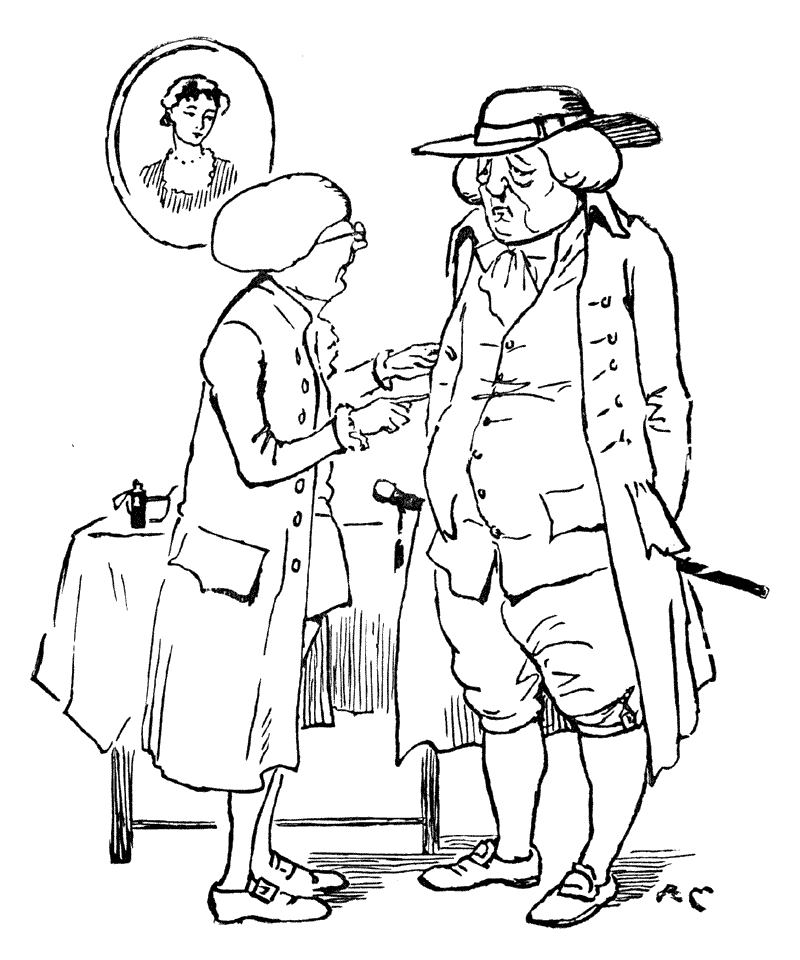
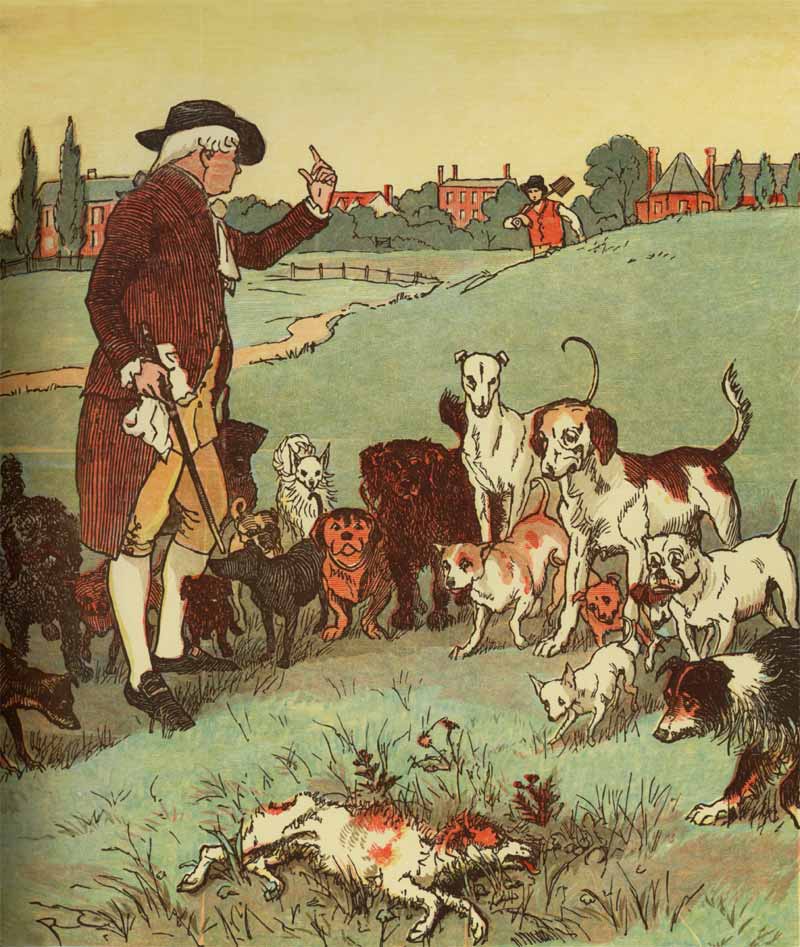
But soon a wonder came to light,
That show’d the rogues they lied—
The man recover’d of the bite,
The dog it was that died.
-
THE BABES IN THE WOOD
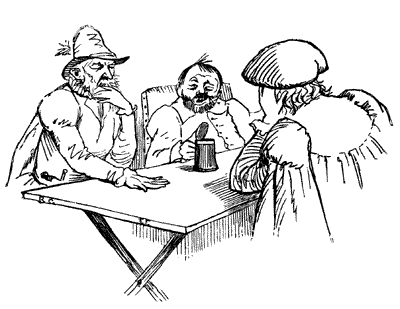
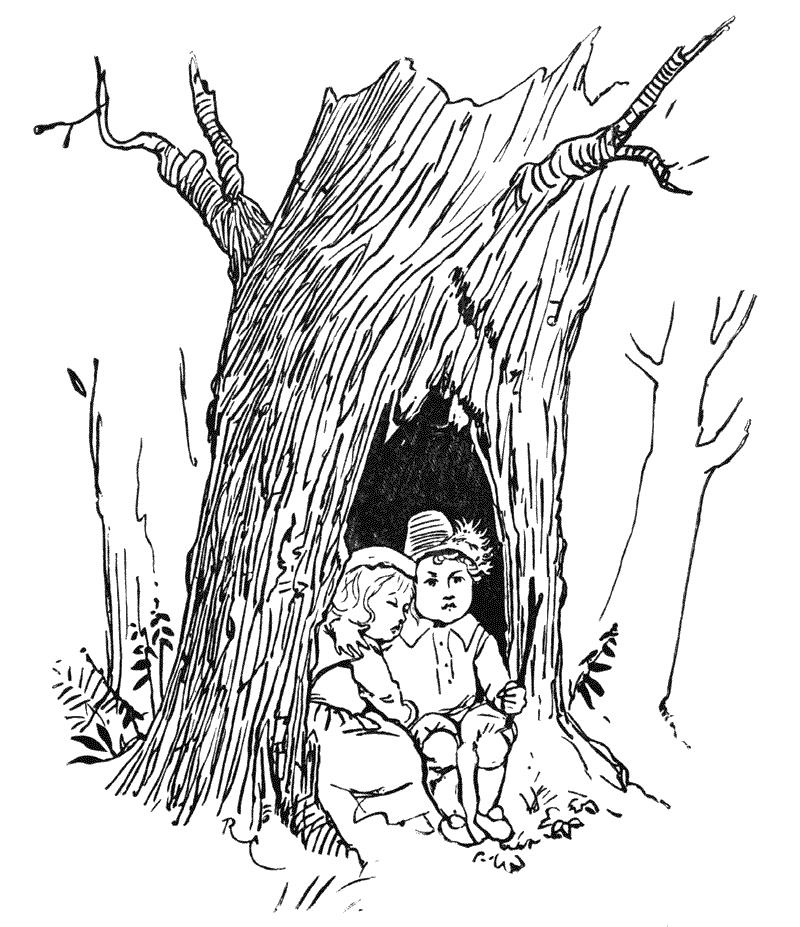
NOW ponder well, you parents deare,
These wordes which I shall write;
A doleful story you shall heare,
In time brought forth to light.
A gentleman of good account
In Norfolke dwelt of late,
Who did in honour far surmount
Most men of his estate.
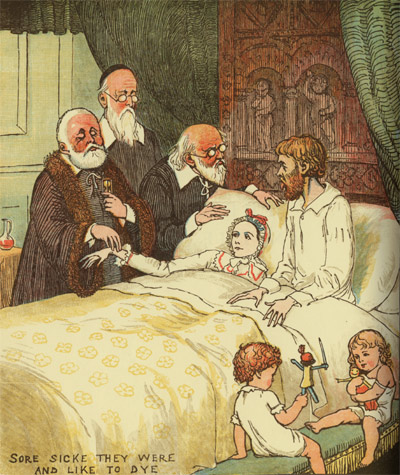
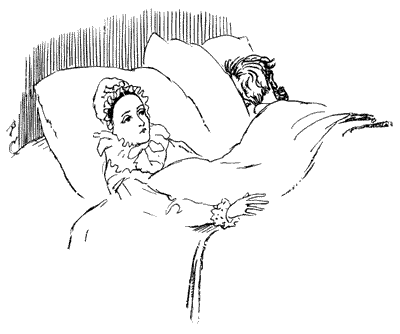
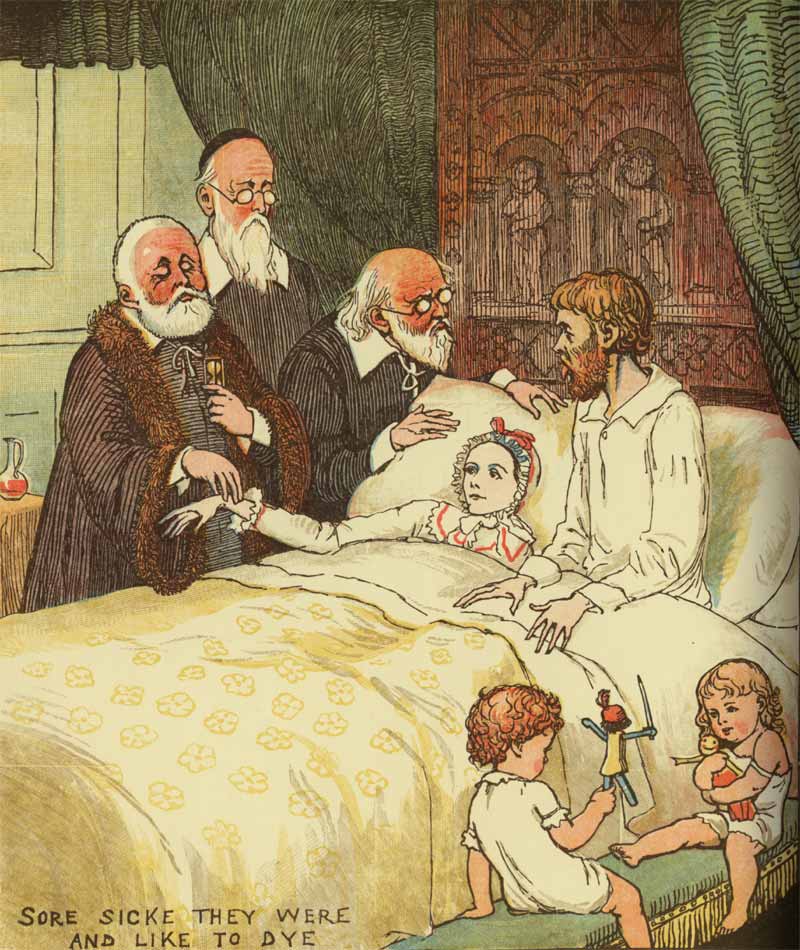
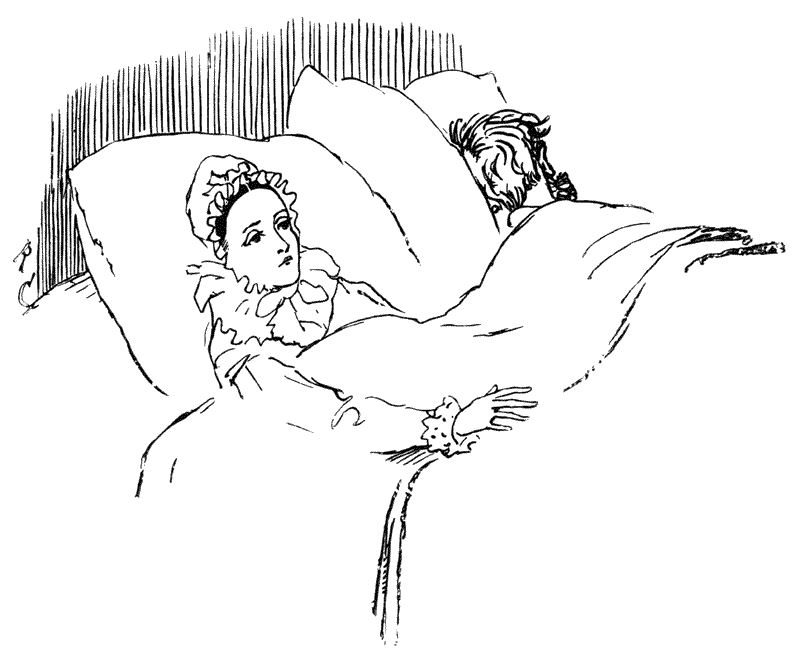
Sore sicke he was, and like to dye,
No helpe his life could save;
His wife by him as sicke did lye,
And both possest one grave.
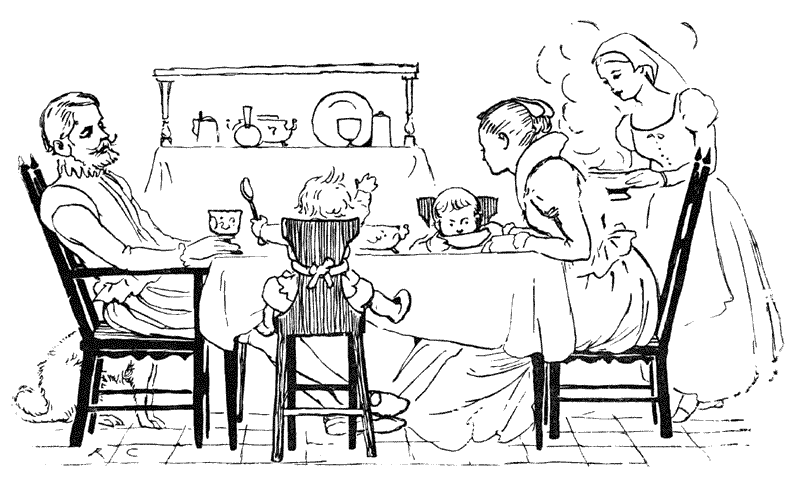
No love between these two was lost,
Each was to other kinde;
In love they liv’d, in love they dyed,
And left two babes behinde:
The one a fine and pretty boy,
Not passing three yeares olde;
The other a girl more young than he
And fram’d in beautye’s molde.
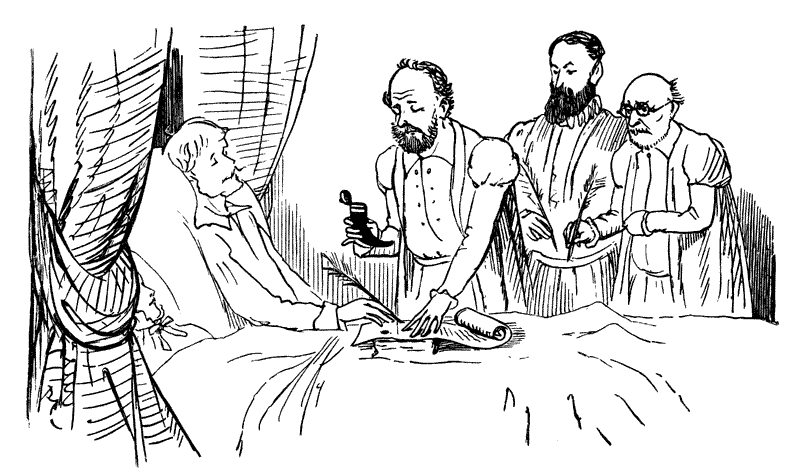
The father left his little son,
As plainlye doth appeare,
When he to perfect age should come
Three hundred poundes a yeare.
And to his little daughter Jane
Five hundred poundes in gold,
To be paid downe on marriage-day,
Which might not be controll’d:
But if the children chanced to dye,
Ere they to age should come,
Their uncle should possesse their wealth;
For so the wille did run.
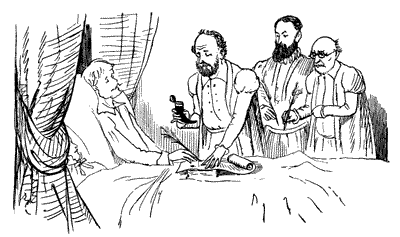
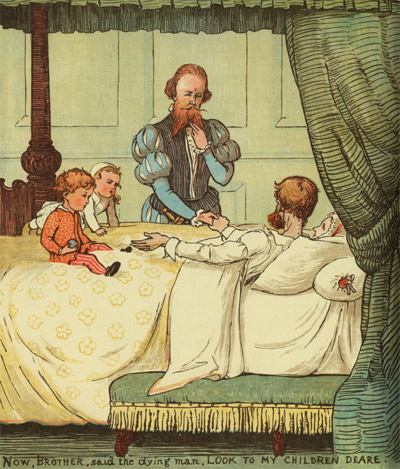
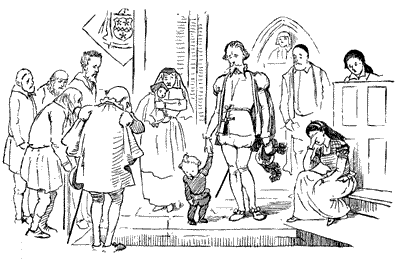
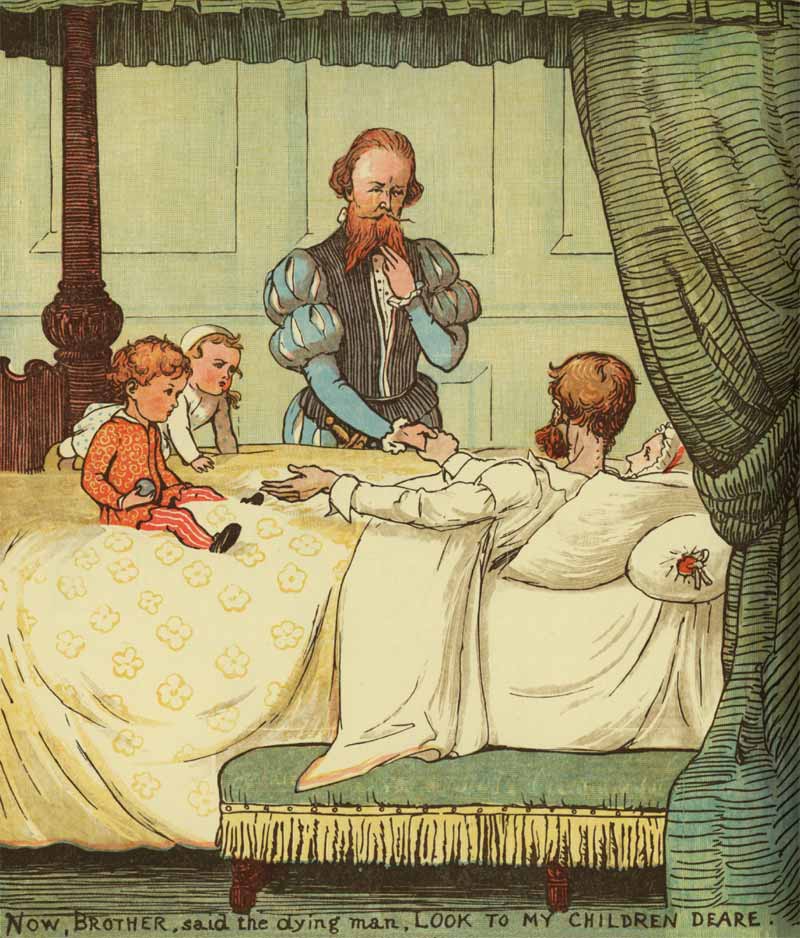
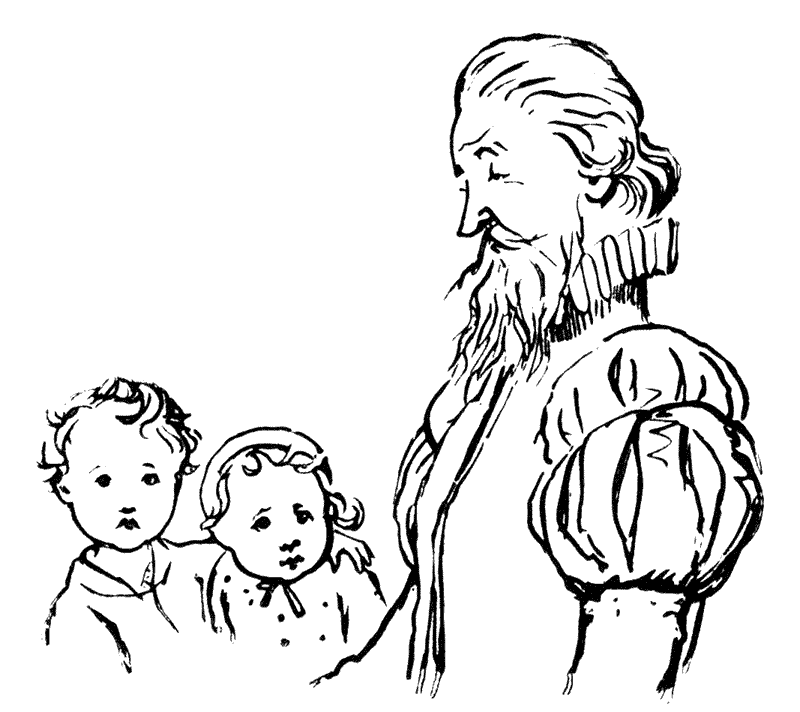
“Now, brother,” said the dying man,
“Look to my children deare;
Be good unto my boy and girl,
No friendes else have they here:
“To God and you I do commend
My children deare this daye;
But little while be sure we have
Within this world to staye.
“You must be father and mother both,
And uncle all in one;
God knowes what will become of them,
When I am dead and gone.”
With that bespake their mother deare:
“O brother kinde,” quoth shee,
“You are the man must bring our babes
To wealth or miserie:
“And if you keep them carefully,
Then God will you reward;
But if you otherwise should deal,
God will your deedes regard.”
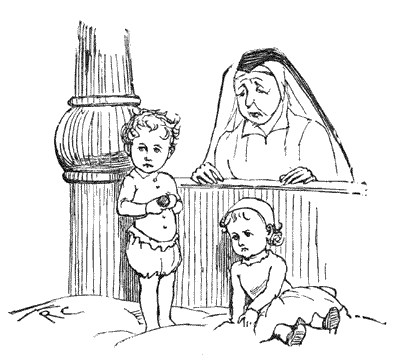
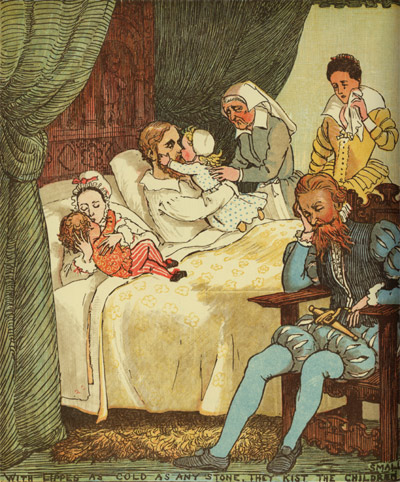
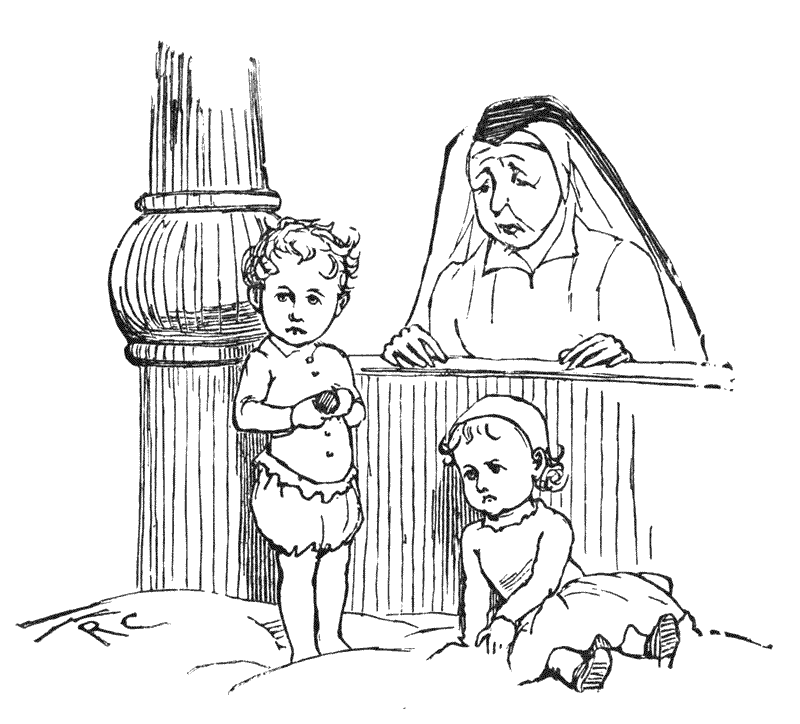
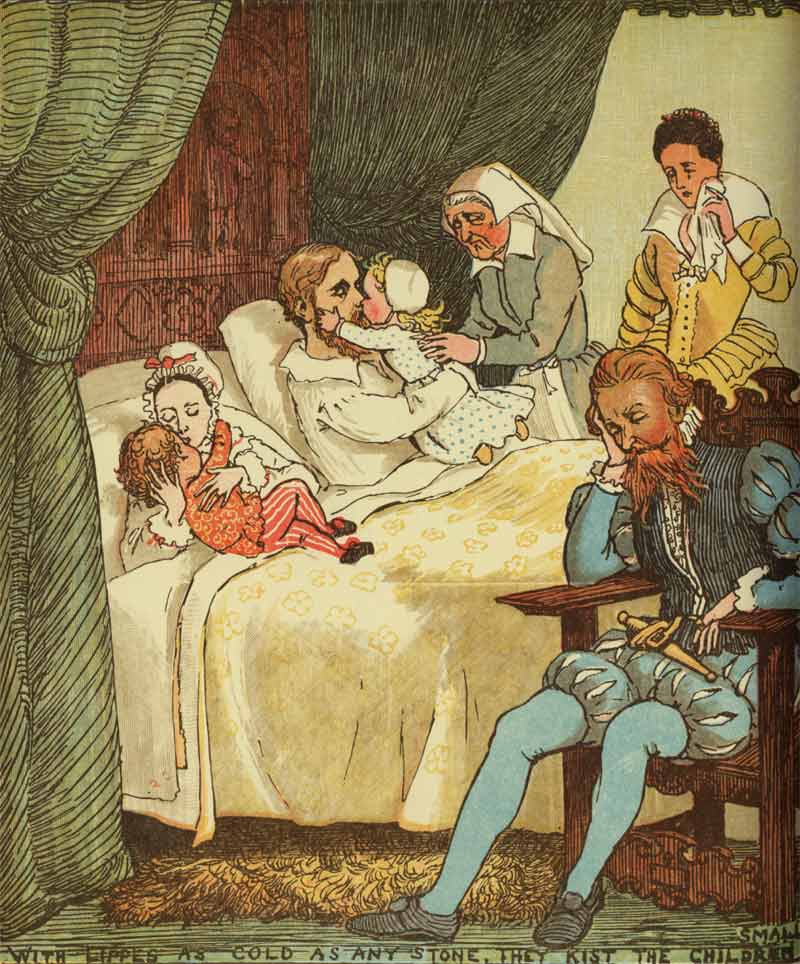
With lippes as cold as any stone,
They kist the children small:
“God bless you both, my children deare;”
With that the teares did fall.
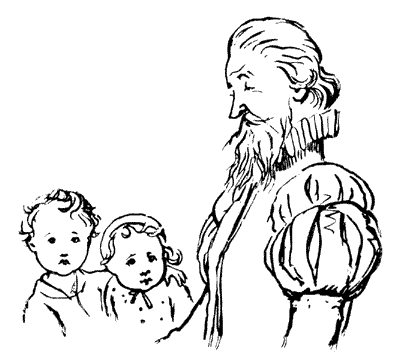
These speeches then their brother spake
To this sicke couple there:
“The keeping of your little ones,
Sweet sister, do not feare:
“God never prosper me nor mine,
Nor aught else that I have,
If I do wrong your children deare,
When you are layd in grave.”
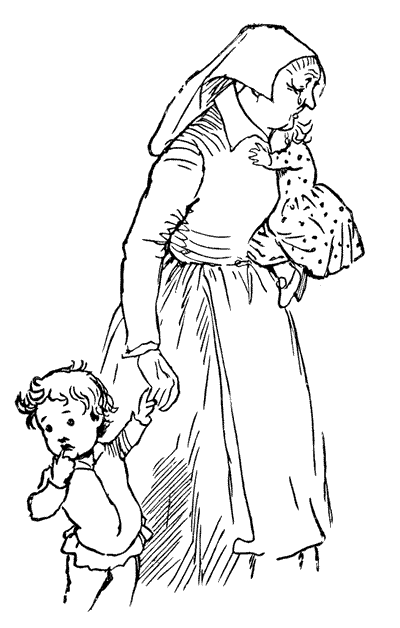
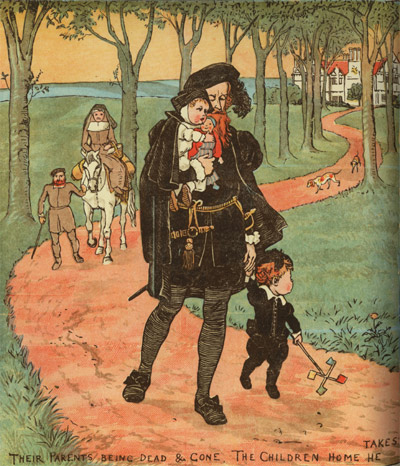
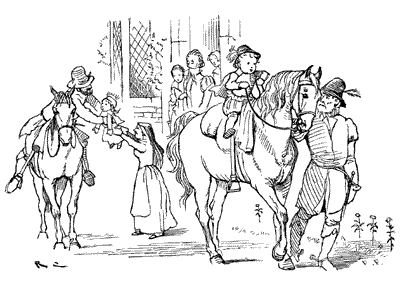
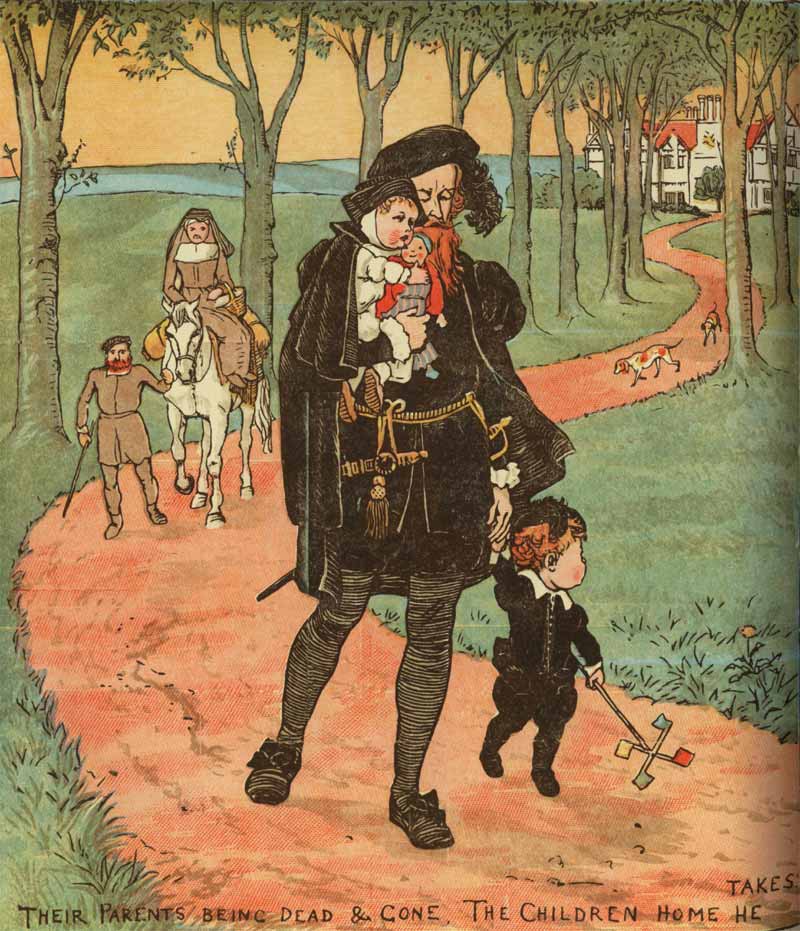
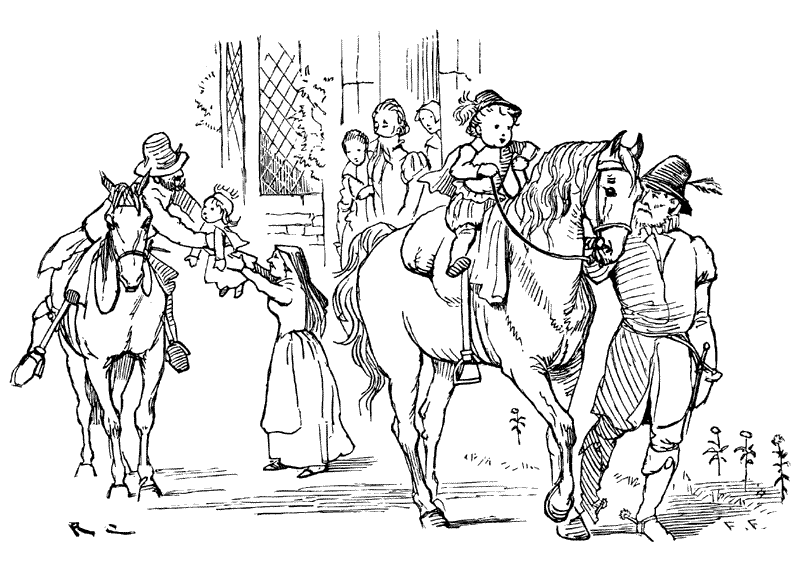
The parents being dead and gone,
The children home he takes,
And bringes them straite unto his house,
Where much of them he makes.
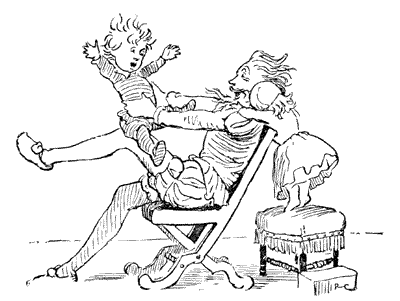
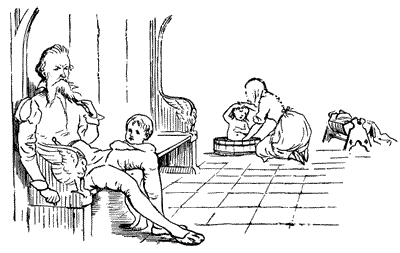
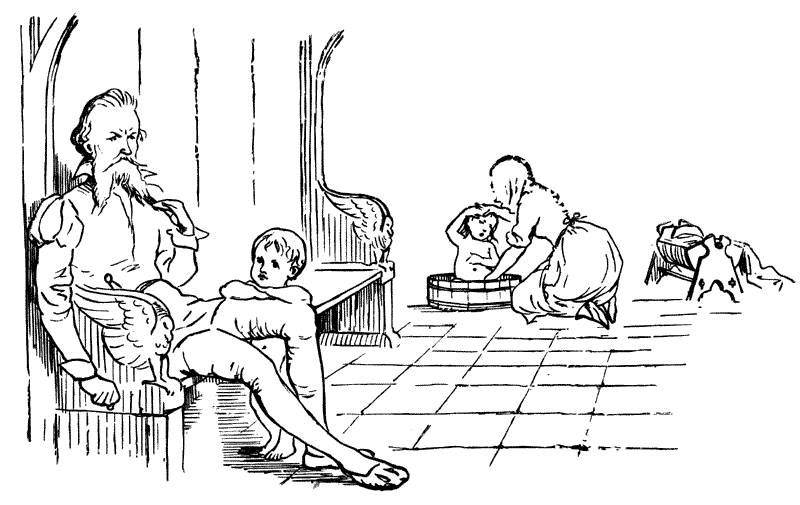
He had not kept these pretty babes
A twelvemonth and a daye,
But, for their wealth, he did devise
To make them both awaye.
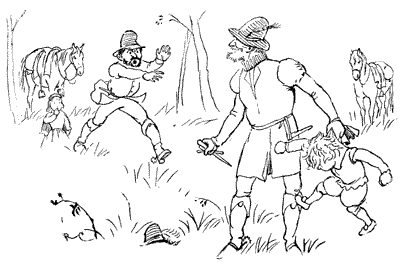
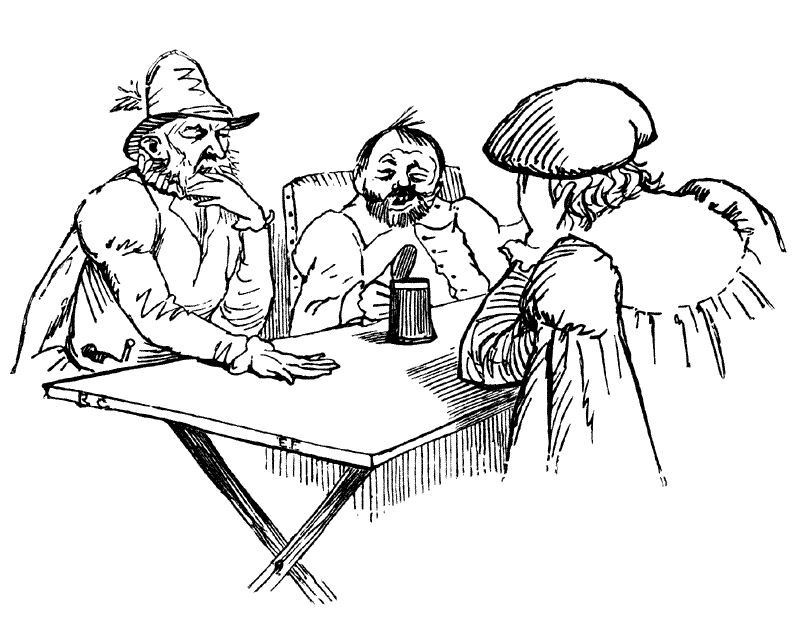
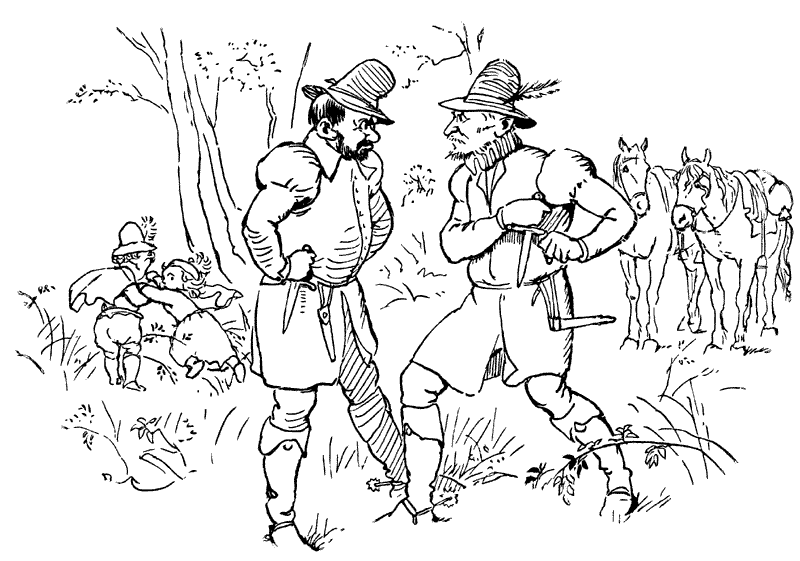
He bargain’d with two ruffians strong,
Which were of furious mood,
That they should take the children young,
And slaye them in a wood.
He told his wife an artful tale,
He would the children send
To be brought up in faire London,
With one that was his friend.
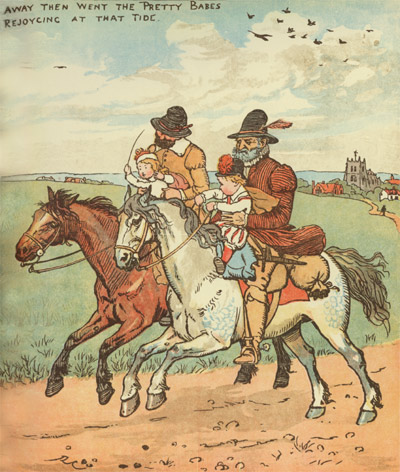
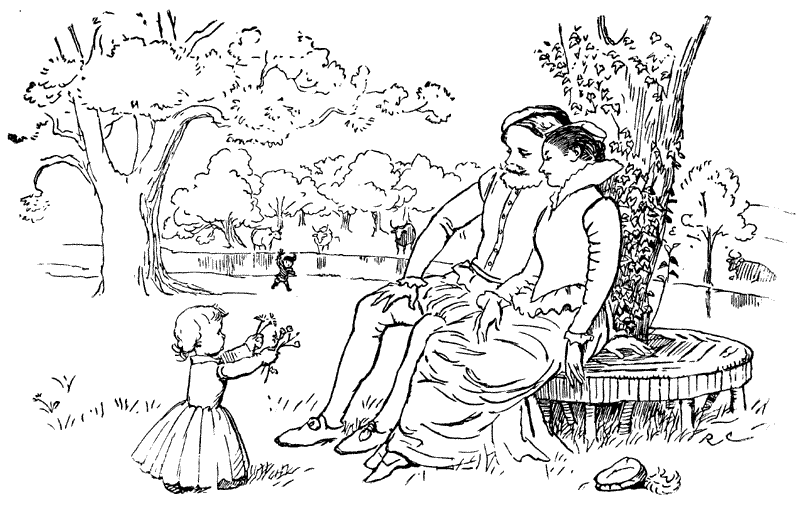
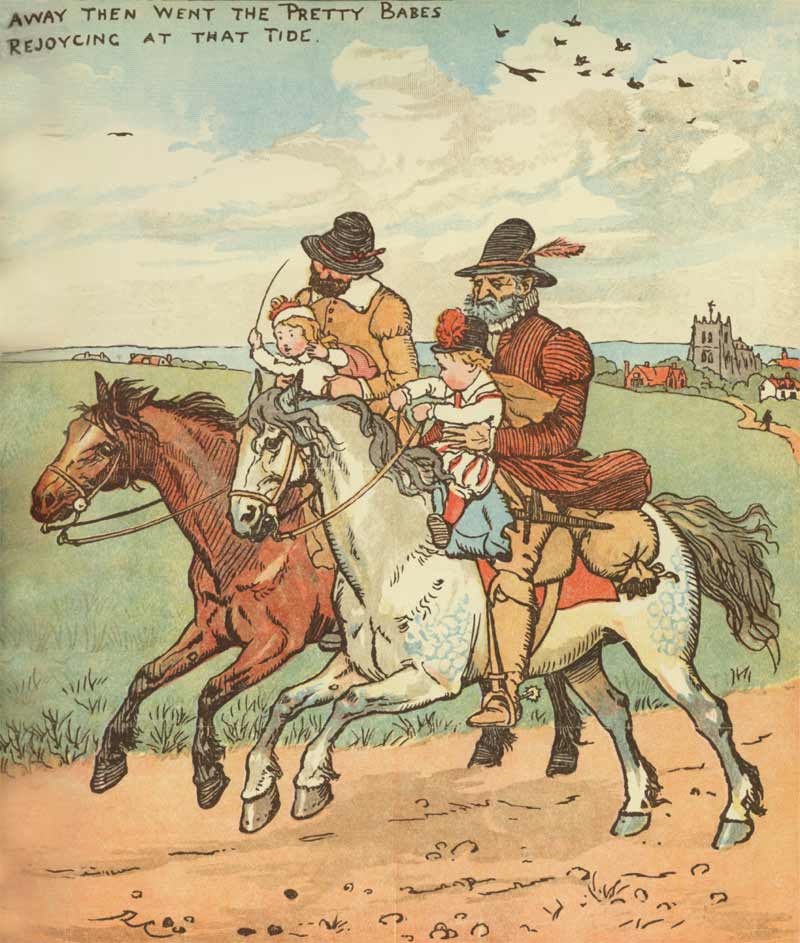
Away then went those pretty babes,
Rejoycing at that tide,
Rejoycing with a merry minde,
They should on cock-horse ride.
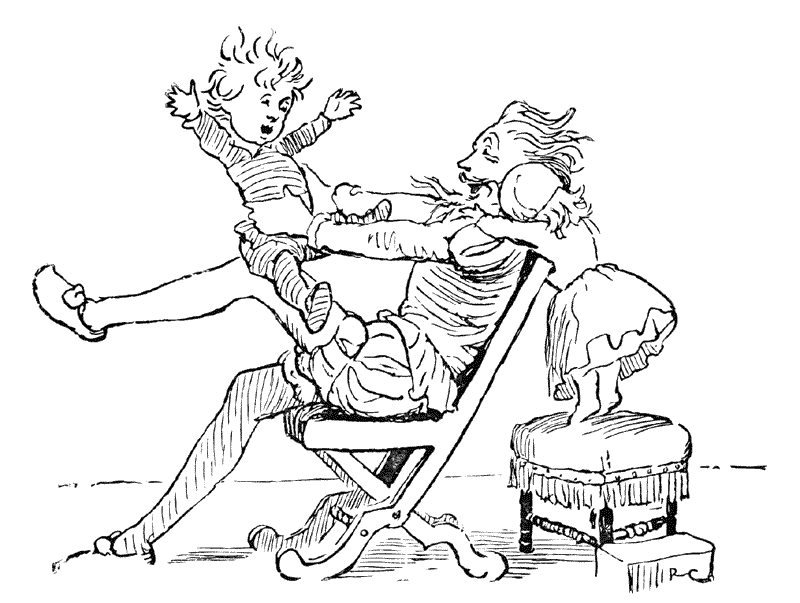
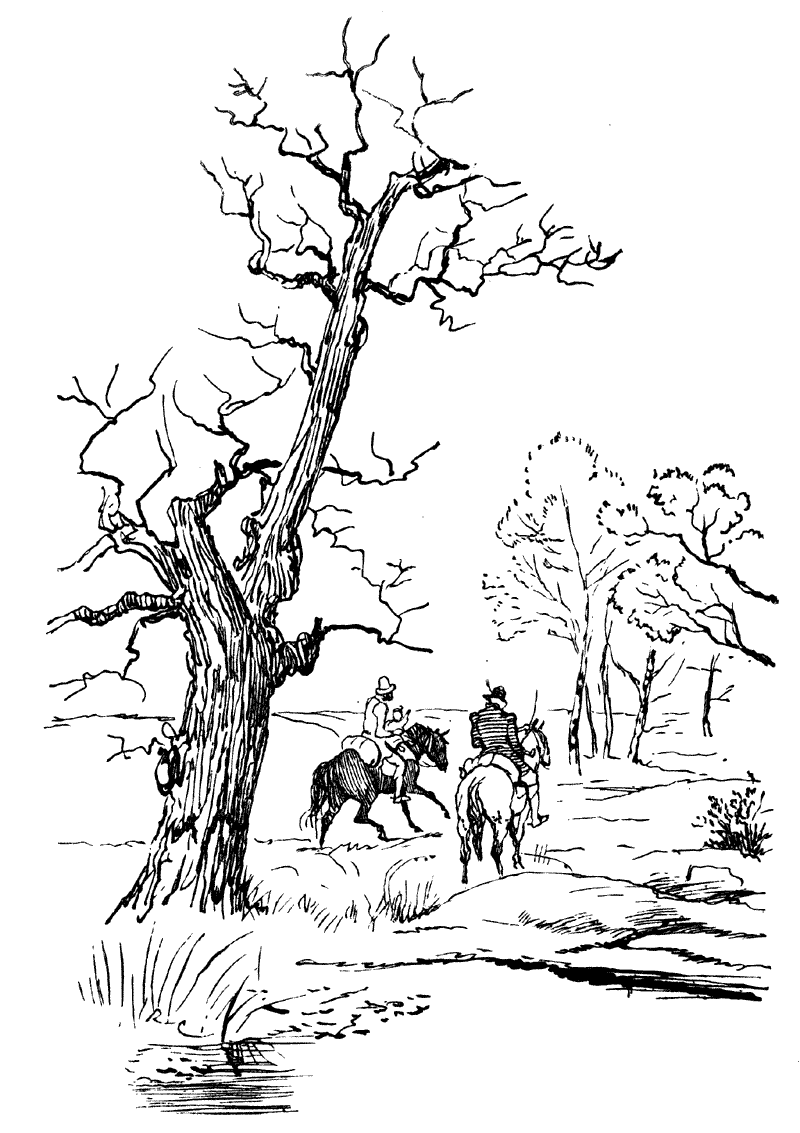
They prate and prattle pleasantly
As they rode on the waye,
To those that should their butchers be,
And work their lives’ decaye:
So that the pretty speeche they had,
Made murderers’ heart relent:
And they that undertooke the deed,
Full sore did now repent.
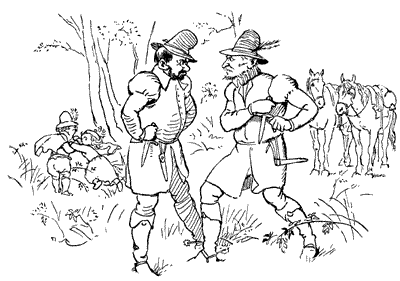
Yet one of them, more hard of heart,
Did vow to do his charge,
Because the wretch, that hired him,
Had paid him very large.
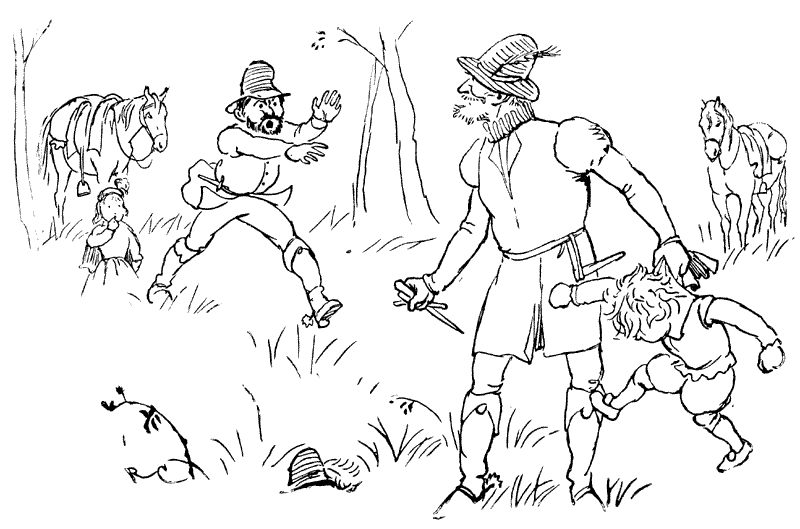
The other would not agree thereto,
So here they fell to strife;
With one another they did fight,
About the children’s life:
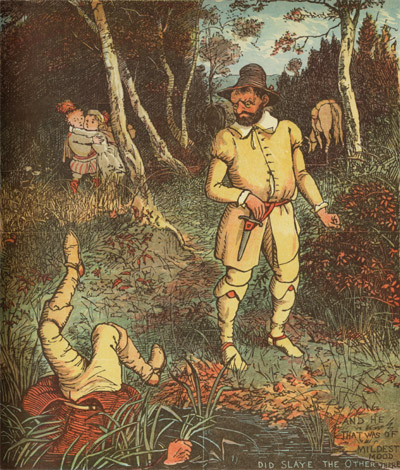
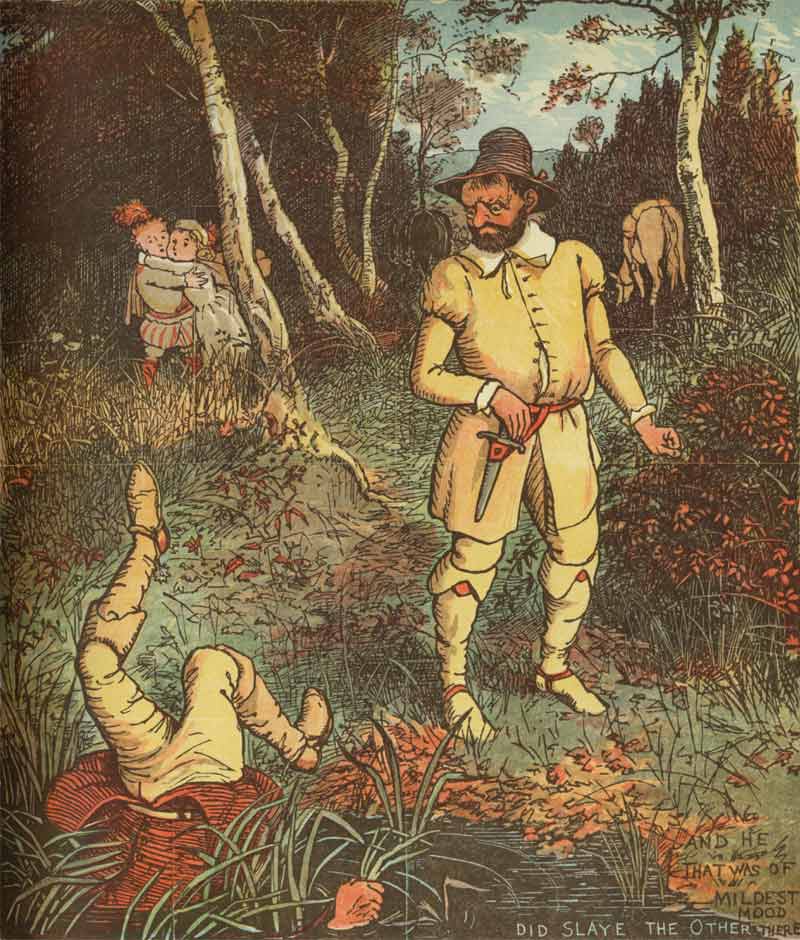
And he that was of mildest mood,
Did slaye the other there,
Within an unfrequented wood,
Where babes did quake for feare
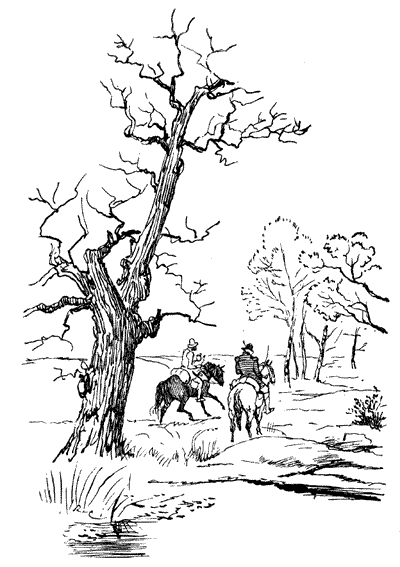
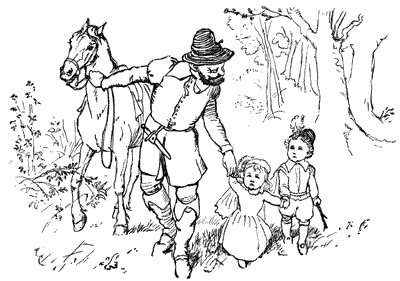
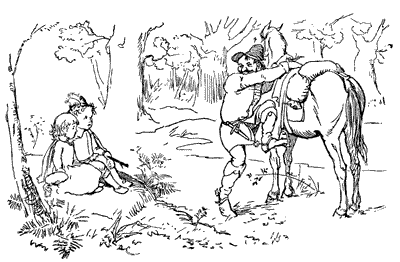
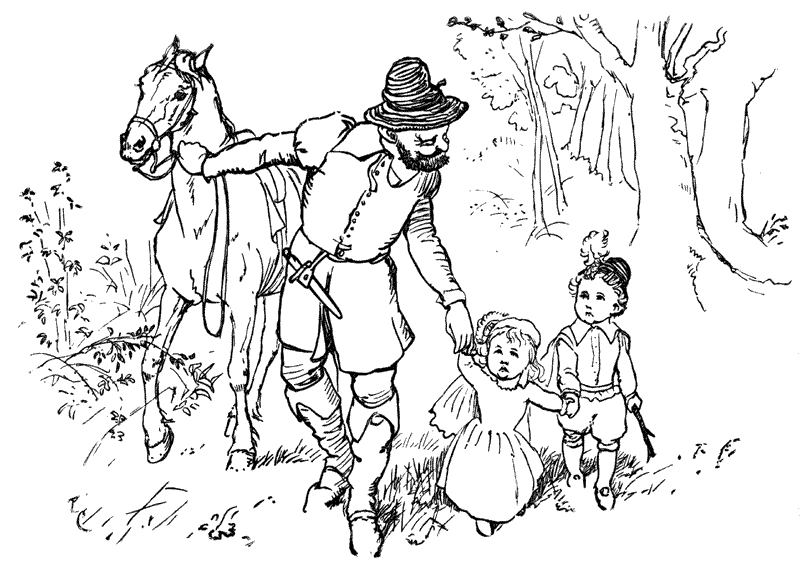
He took the children by the hand,
While teares stood in their eye,
And bade them come and go with him,
And look they did not crye:
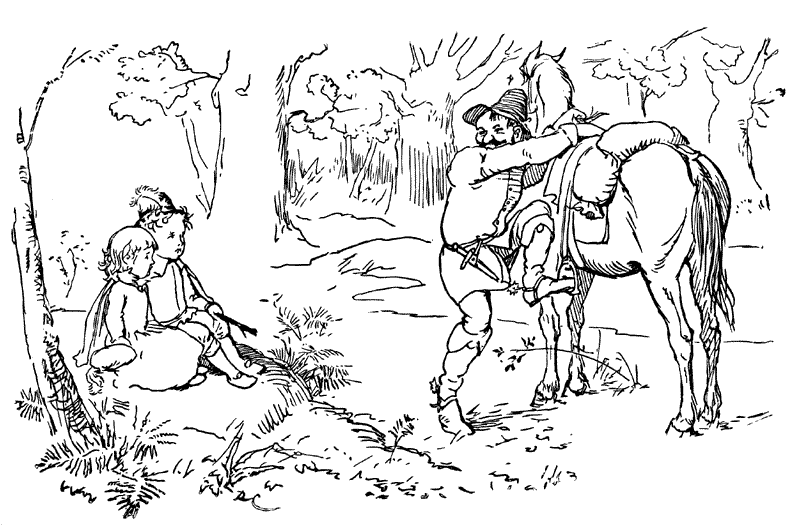
And two long miles he ledd them on,
While they for food complaine:
“Stay here,” quoth he, “I’ll bring ye bread,
When I come back againe.”
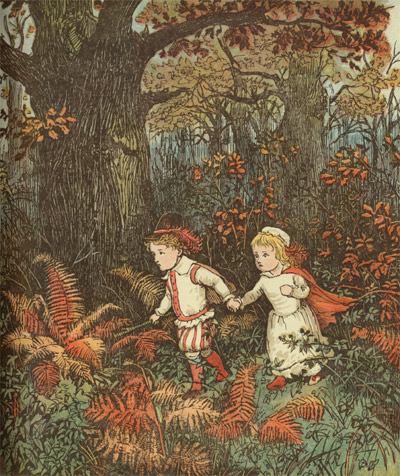
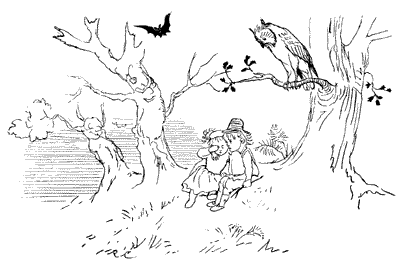
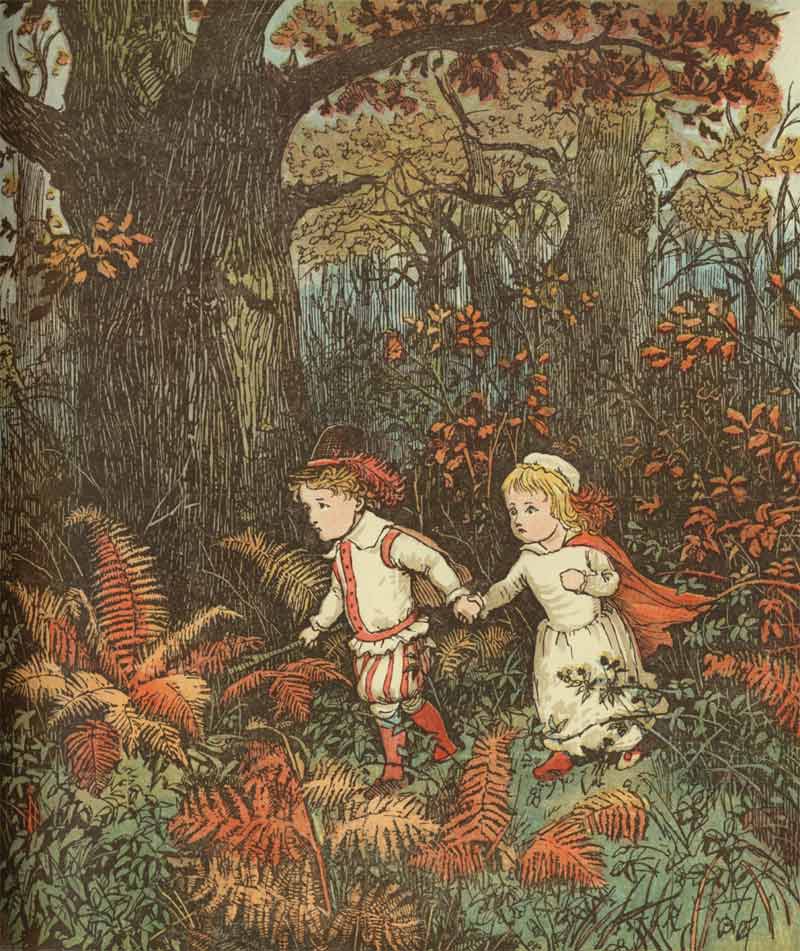
These prettye babes, with hand in hand,
Went wandering up and downe;
But never more they sawe the man
Approaching from the town.
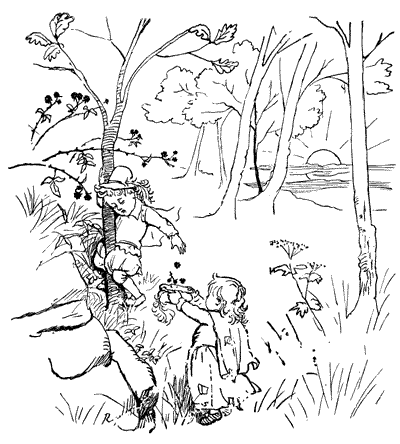
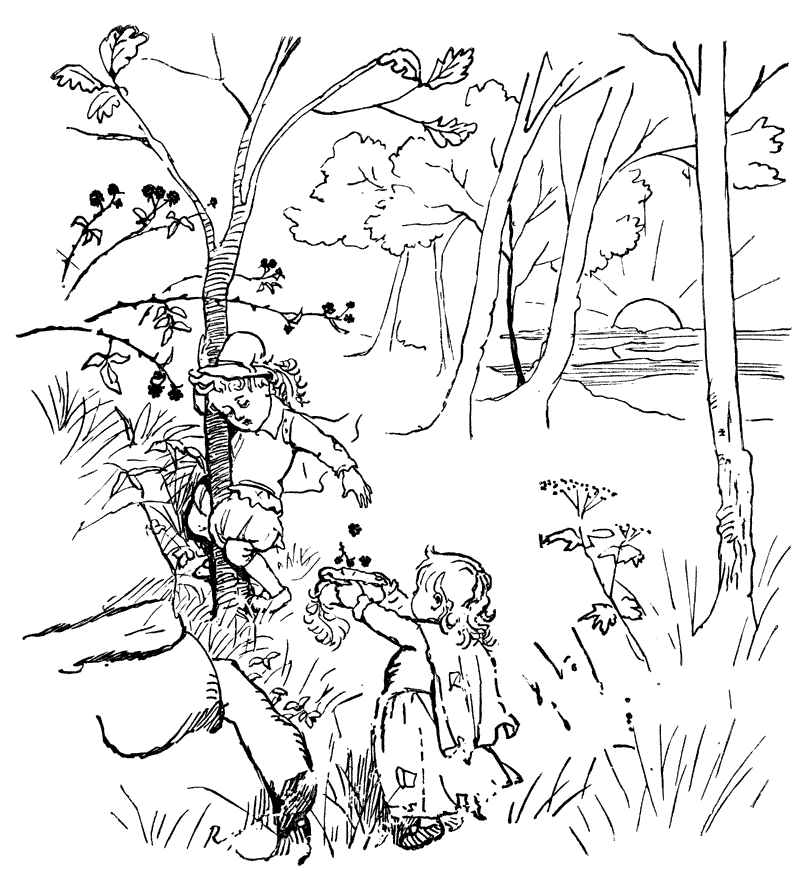
Their prettye lippes with blackberries
Were all besmear’d and dyed;
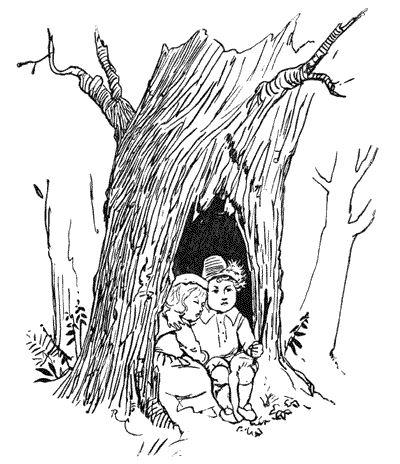
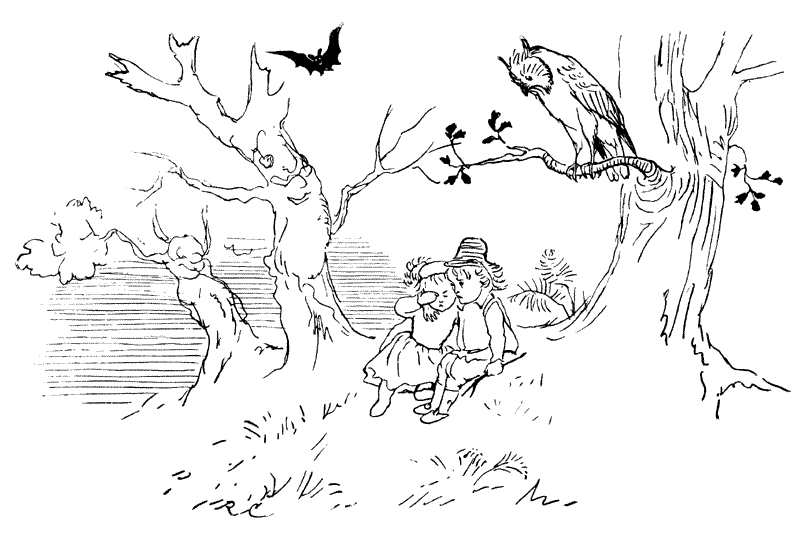
And when they sawe the darksome night,
They sat them downe and cryed.
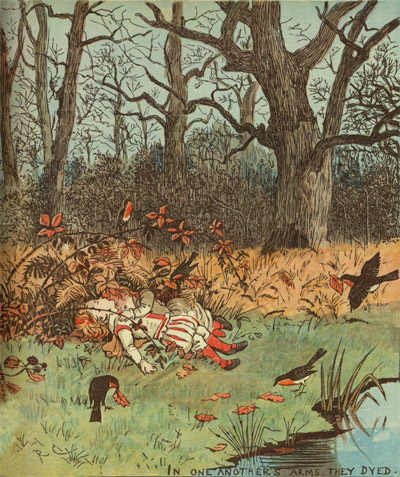
Thus wandered these two prettye babes,
Till death did end their grief;
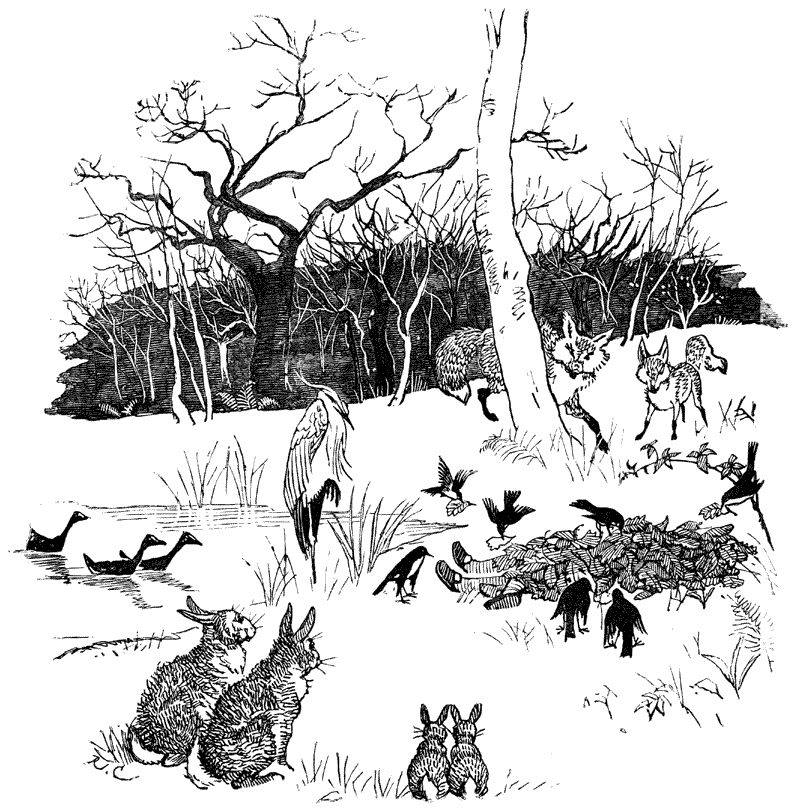
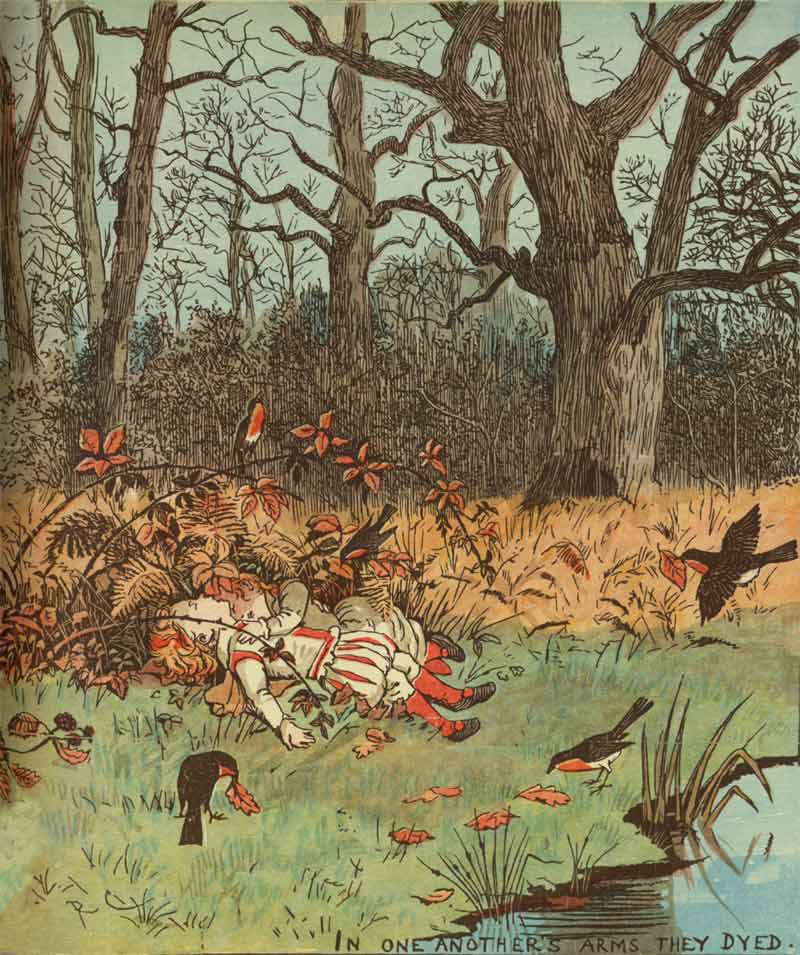
In one another’s armes they dyed,
As babes wanting relief.
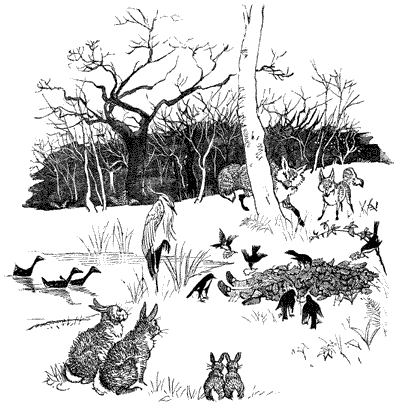
No burial these prettye babes
Of any man receives,
Till Robin-redbreast painfully
Did cover them with leaves.
-
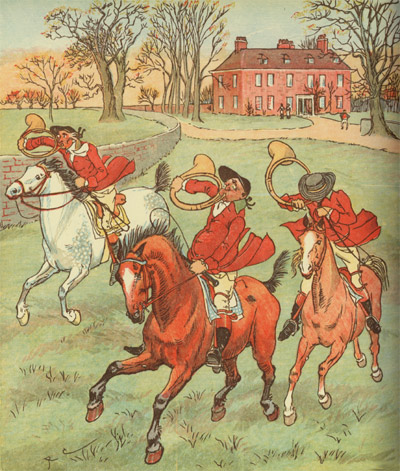
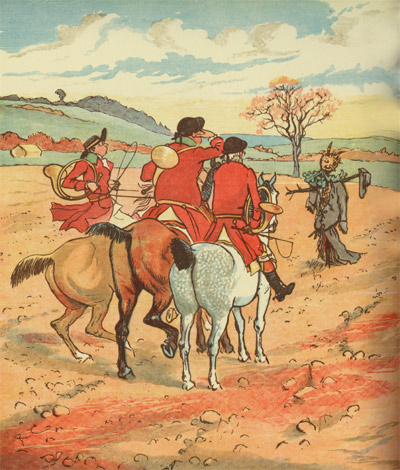
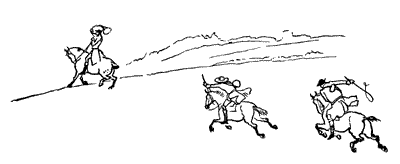
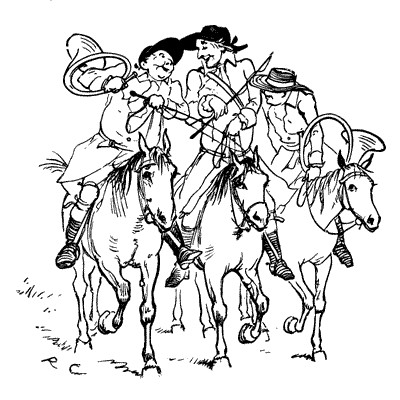
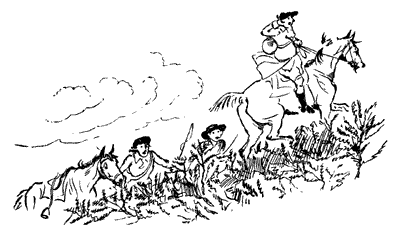
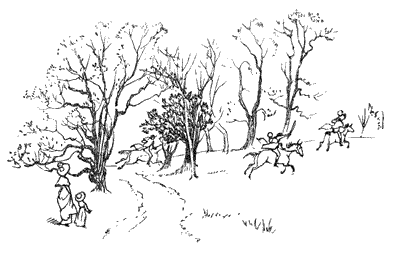
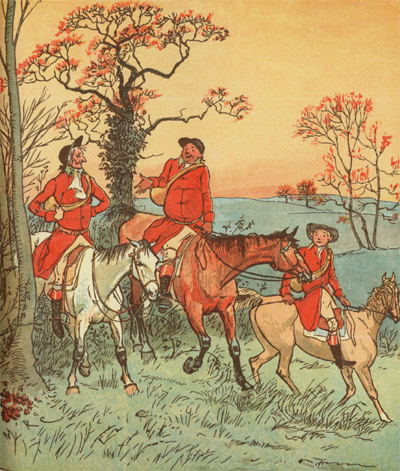
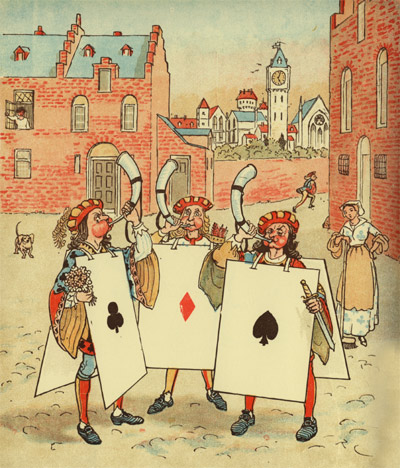
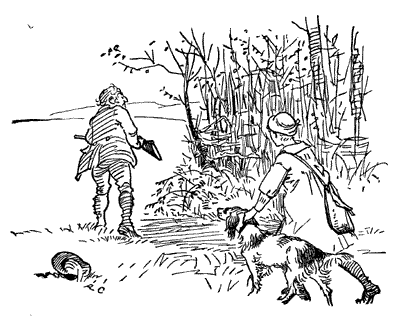
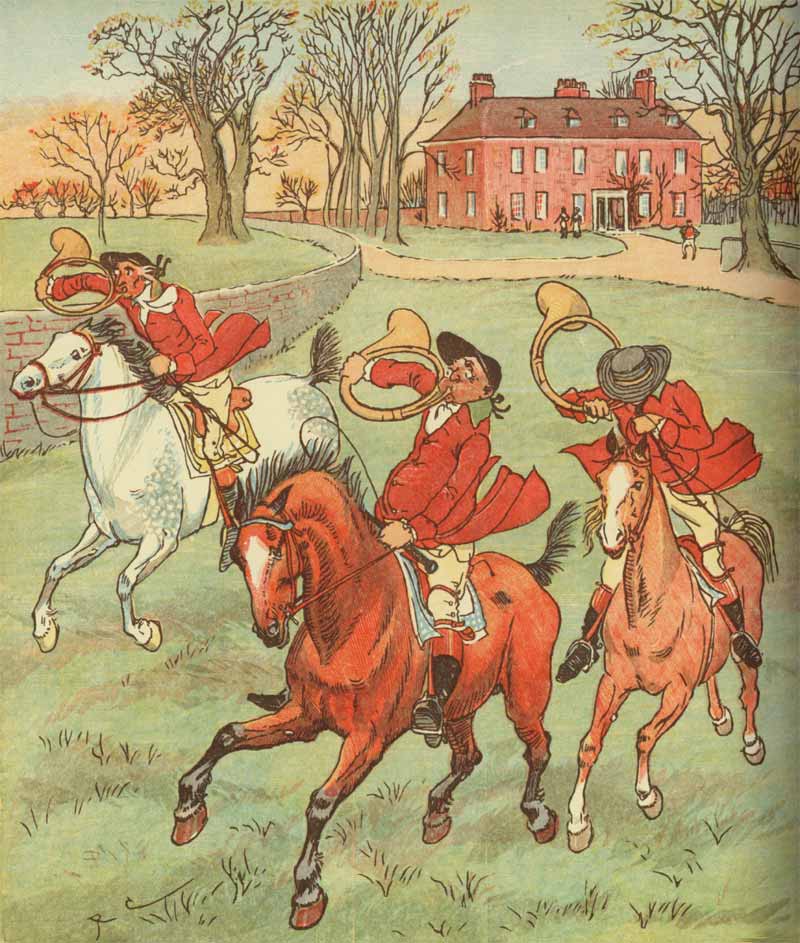
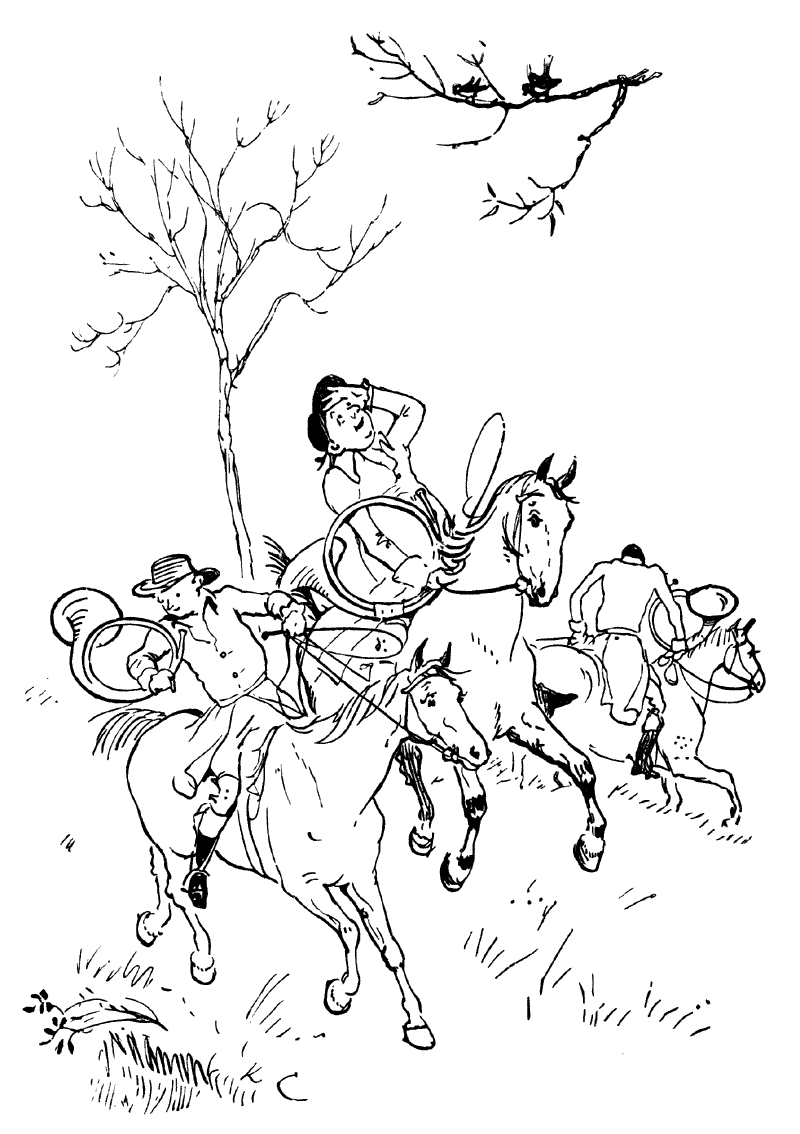
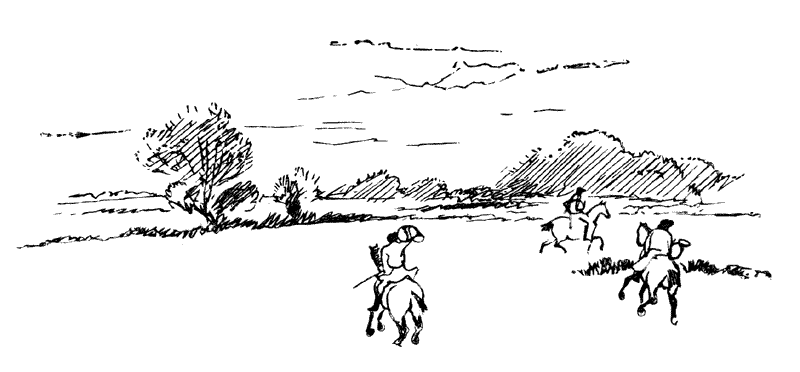
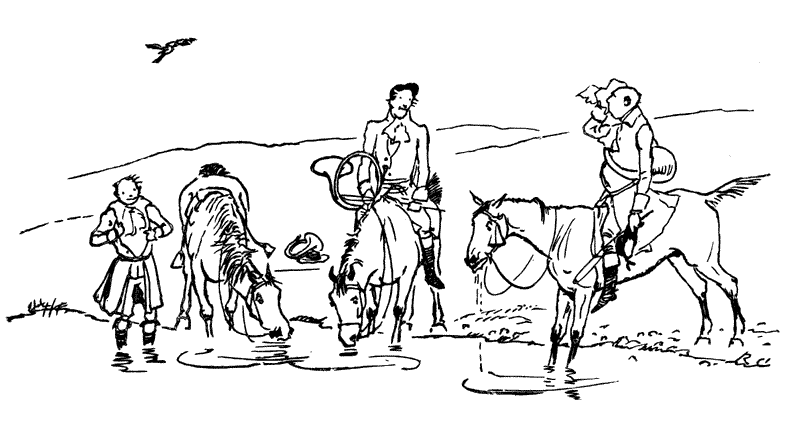
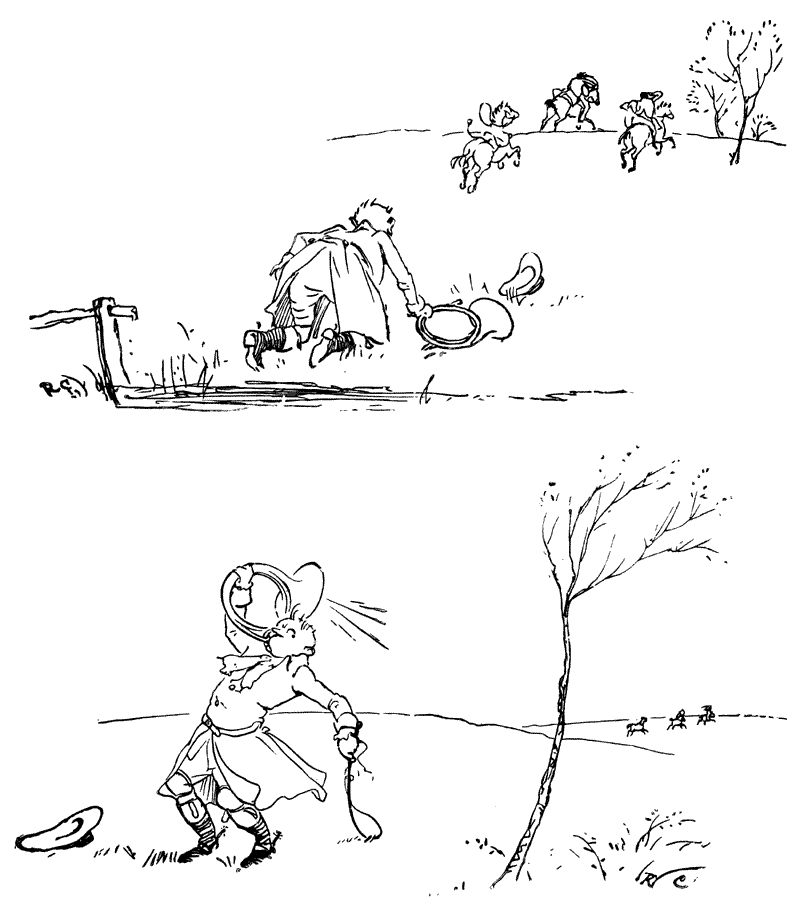
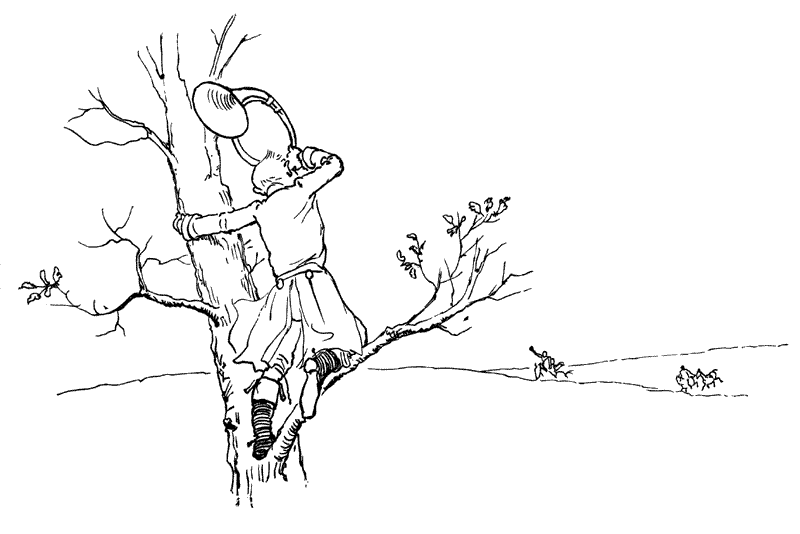
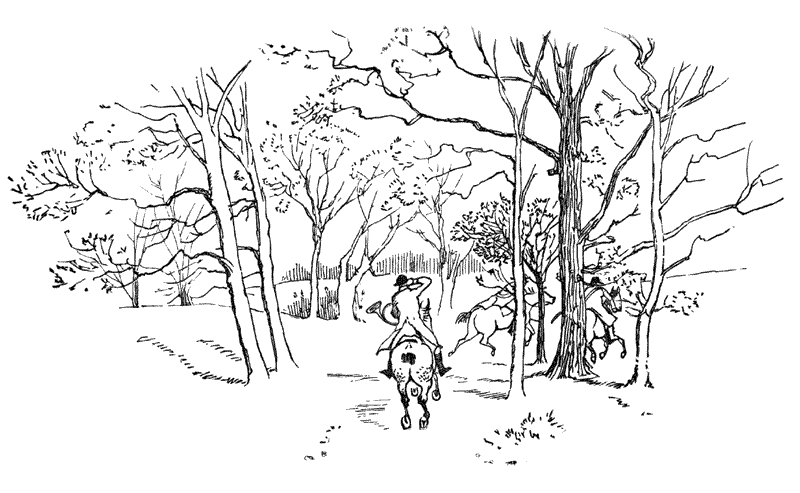
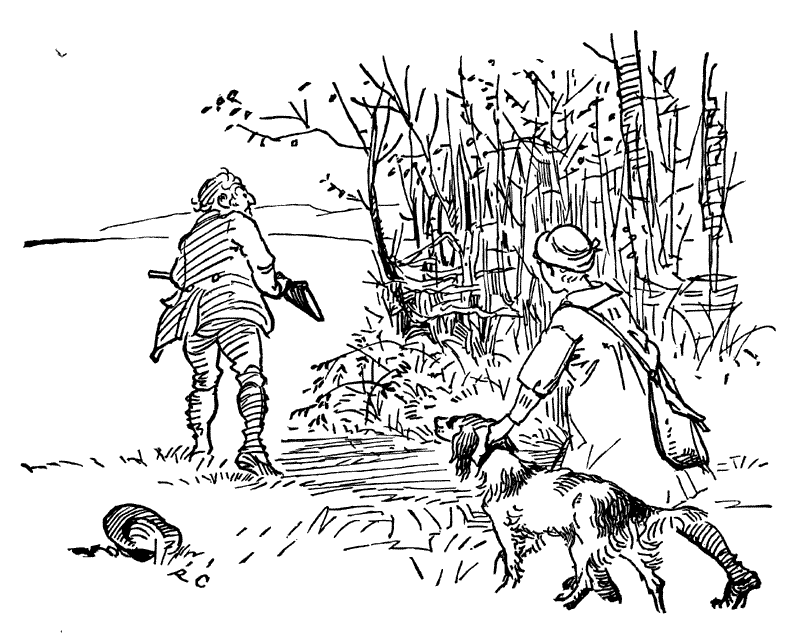
IT’S of three jovial huntsmen, an’ a hunting they did go;
An’ they hunted, an’ they hollo’d, an’ they blew their horns also
Look ye there!
An’ one said, “Mind yo’r e’en, an’ keep yo’r noses reet i’ th’ wind
An’ then, by scent or seet, we’ll leet o’ summat to our mind.”
Look ye there!
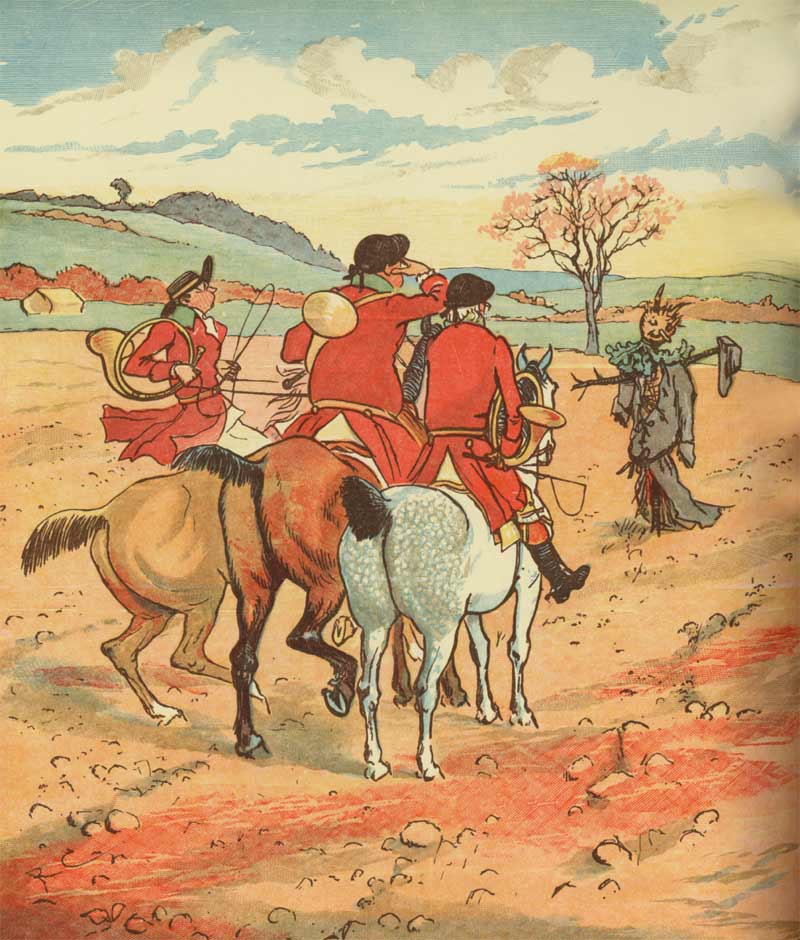
They hunted, an’ they hollo’d, an’ the first thing they did find
Was a tatter’t boggart, in a field, an’ that they left behind.
Look ye there!
One said it was a boggart, an’ another he said “Nay;
It’s just a ge’man-farmer, that has gone an’ lost his way.”
Look ye there!
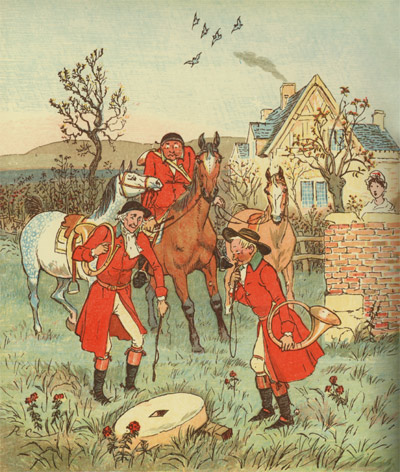
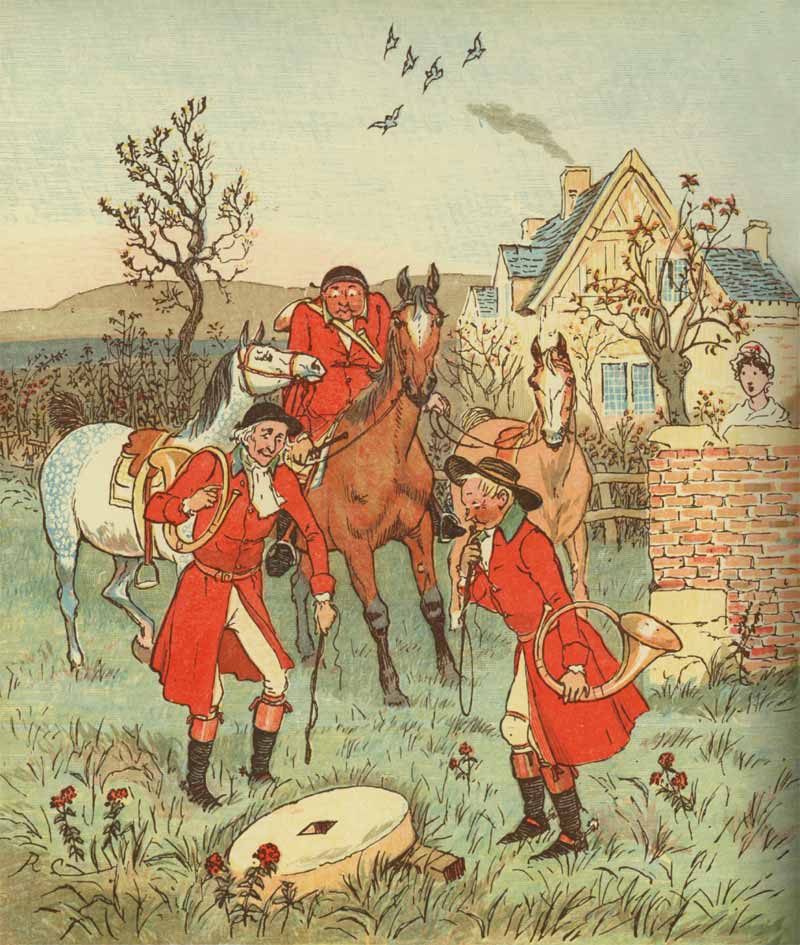
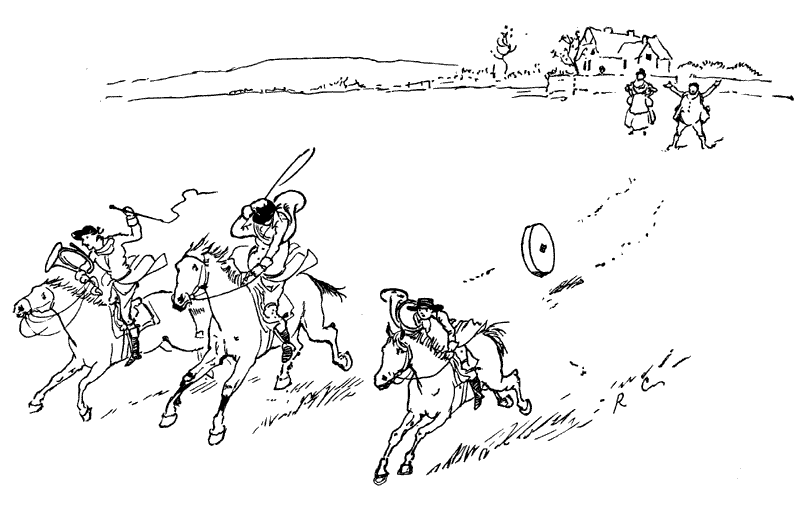
They hunted, an’ they hollo’d, an’ the next thing they did find
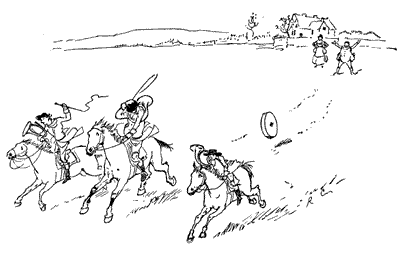
Was a gruntin’, grindin’ grindlestone, an’ that they left behind.
Look ye there!
One said it was a grindlestone, another he said “Nay;
It’s nought but an’ owd fossil cheese, that somebody’s roll’t away.”
Look ye there!
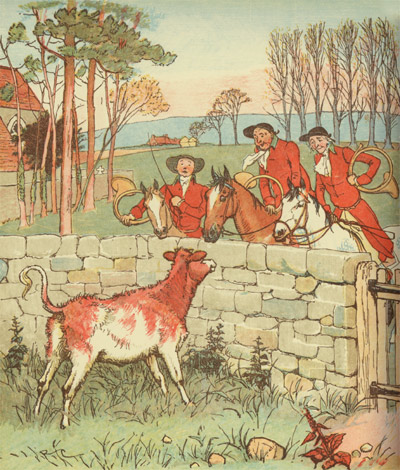
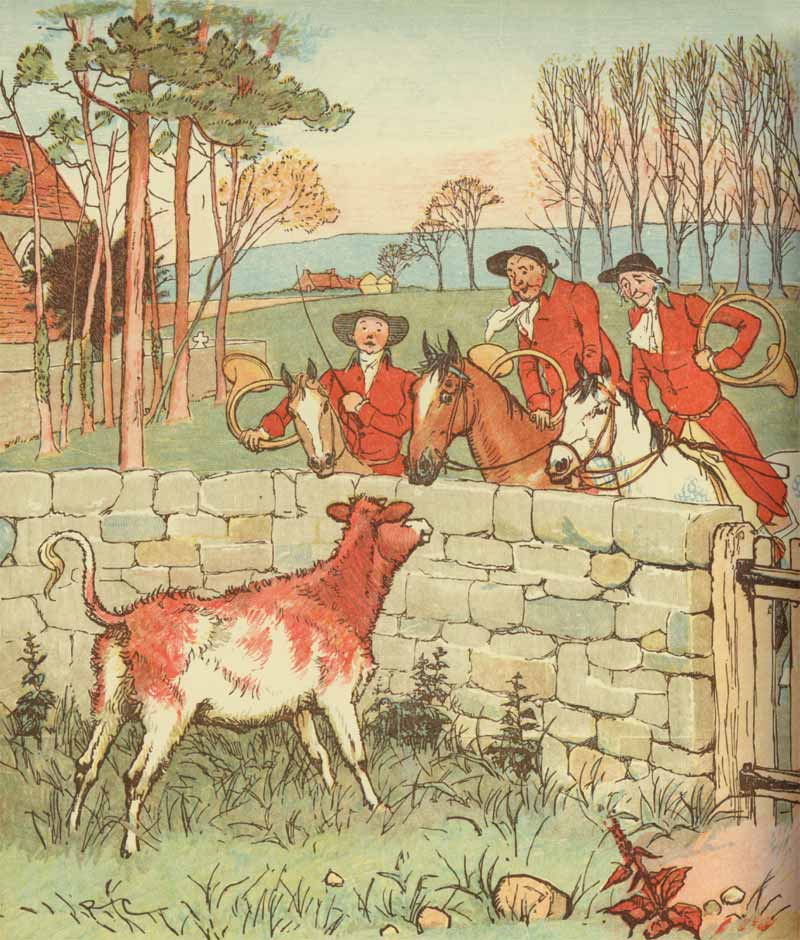
They hunted, an’ they hollo’d, an’ the next thing they did find
Was a bull-calf in a pin-fold, an’ that, too, they left behind.
Look ye there!
One said it was a bull-calf, an’ another he said “Nay;
It’s just a painted jackass, that has never larnt to bray.”
Look ye there!
They hunted, an’ they hollo’d, an’ the next thing they did find
Was a two-three children leaving school, an’ these they left behind.
Look ye there!
One said that they were children, but another he said “Nay;
They’re no but little angels, so we’ll leave ’em to their play.”
Look ye there!
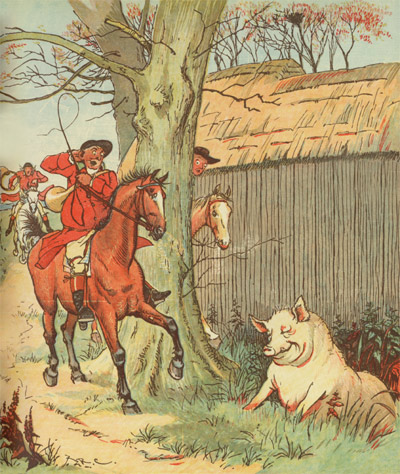
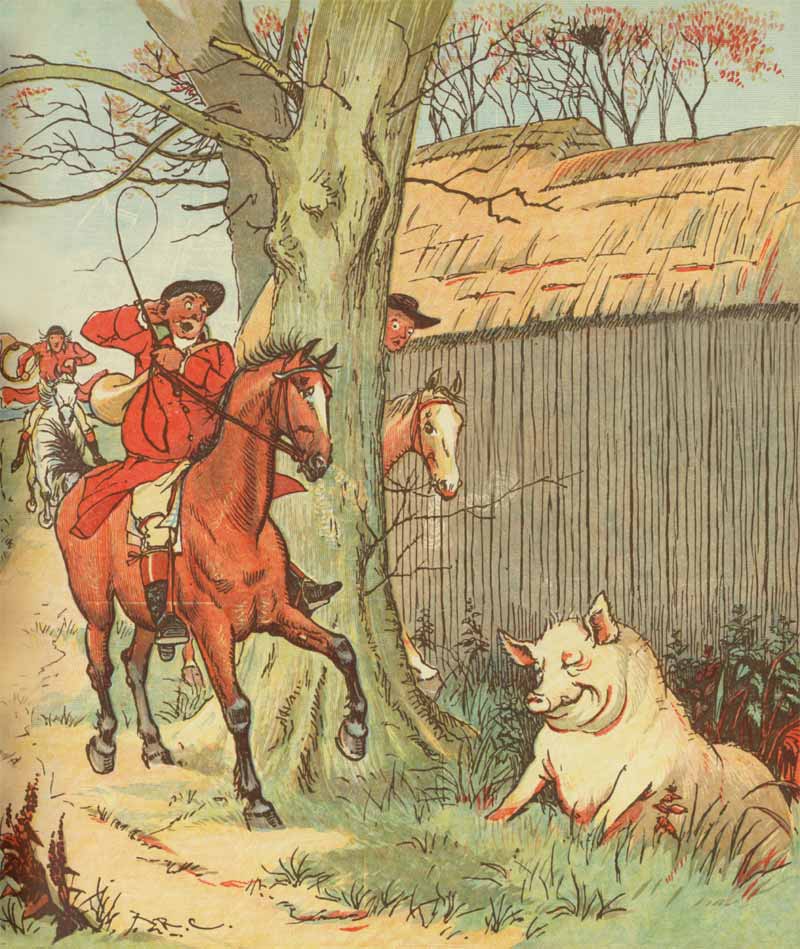
They hunted, an’ they hollo’d, an’ the next thing they did find
Was a fat pig smiling in a ditch, an’ that, too, they left behind.
Look ye there!
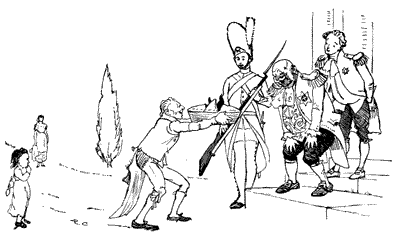
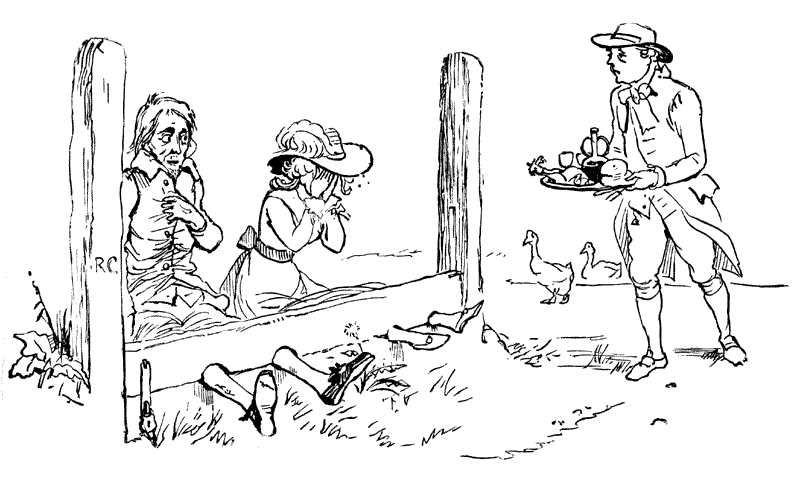
One said it was a fat pig, but another he said “Nay;
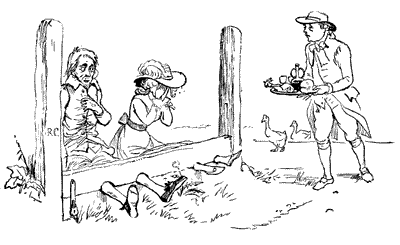
It’s just a Lunnon Alderman, whose clothes are stole away.”
Look ye there!
They hunted, an’ they hollo’d, an’ the next thing they did find
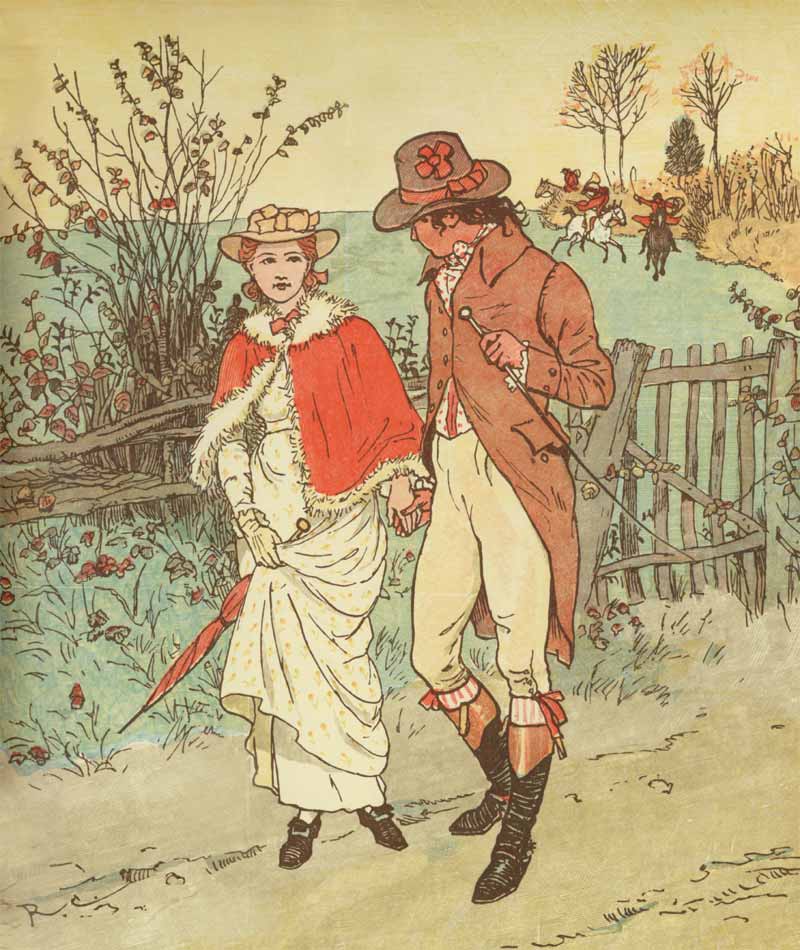
Was two young lovers in a lane, an’ these they left behind.
Look ye there!
One said that they were lovers, but another he said “Nay;
They’re two poor wanderin’ lunatics—come, let us get away.”
Look ye there!
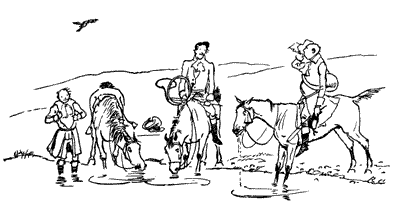
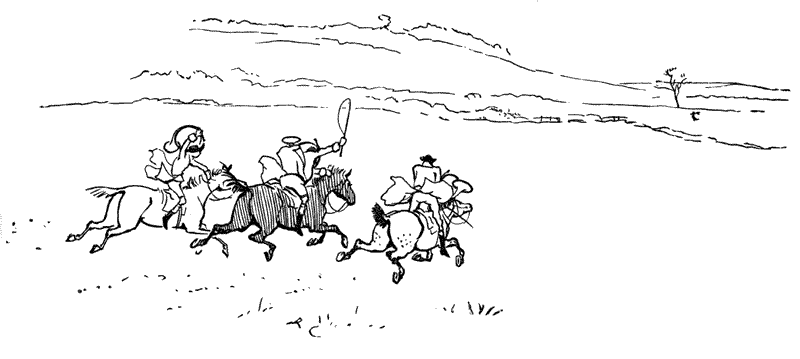
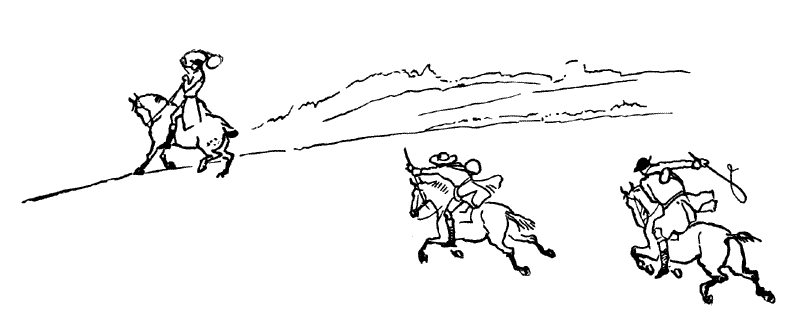
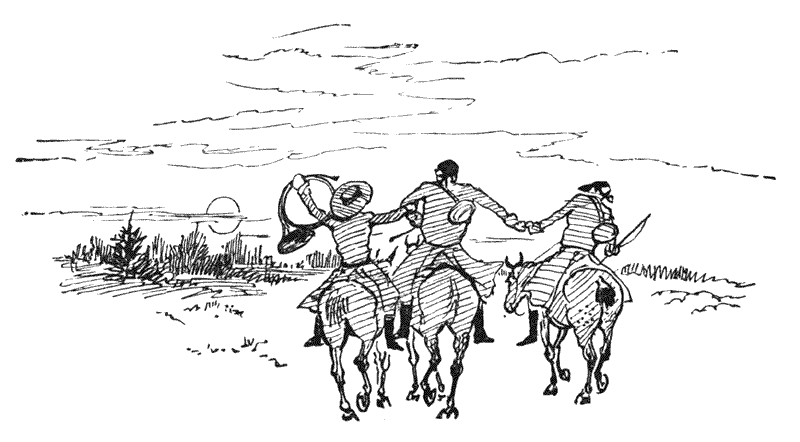
So they hunted, an’ they hollo’d, till the setting of the sun;
An’ they’d nought to bring away at last, when th’ huntin’-day was done.
Look ye there!
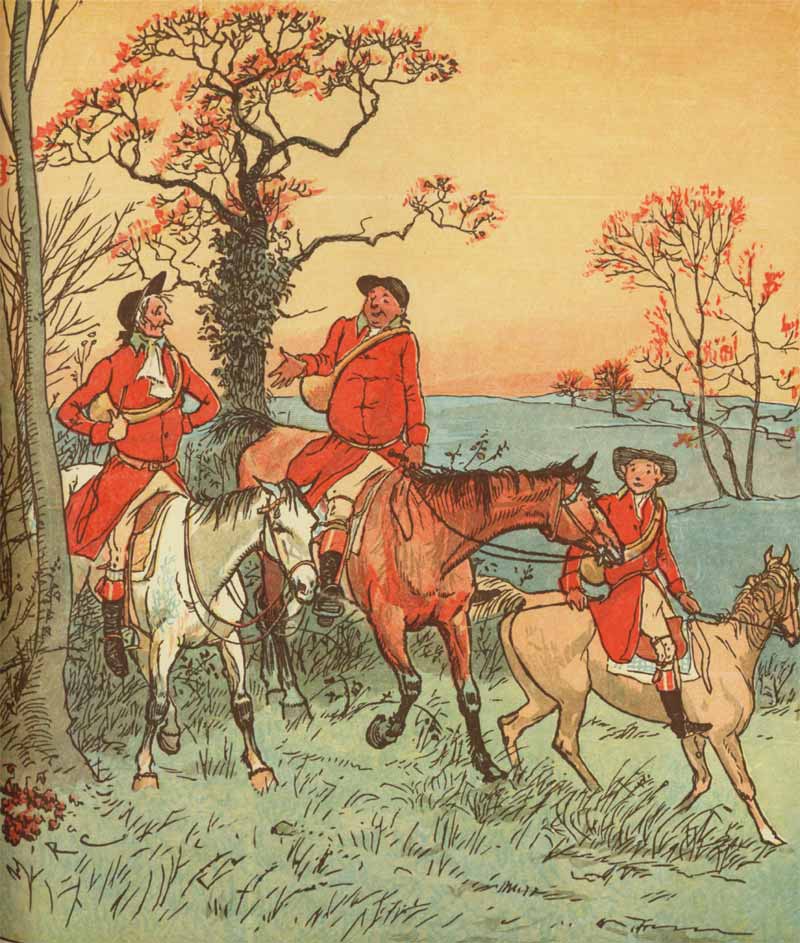
Then one unto the other said, “This huntin’ doesn’t pay;
But we’n powler’t up an’ down a bit, an’ had a rattlin’ day.”
Look ye there!
-
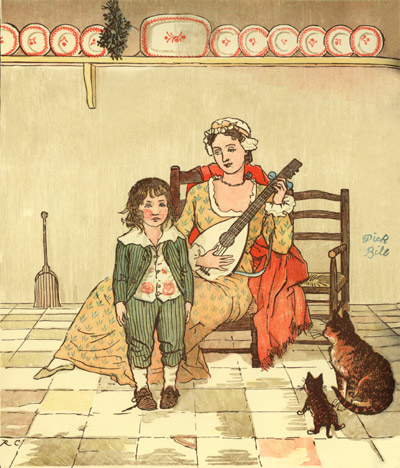
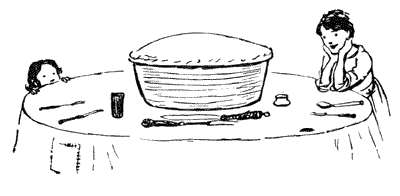
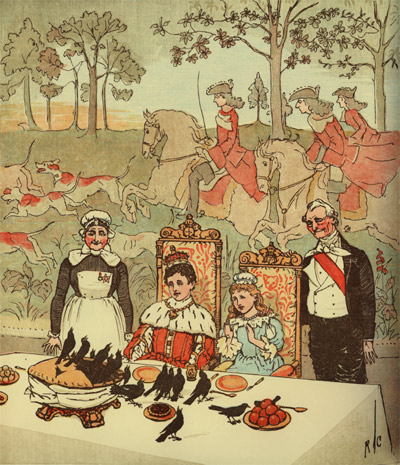
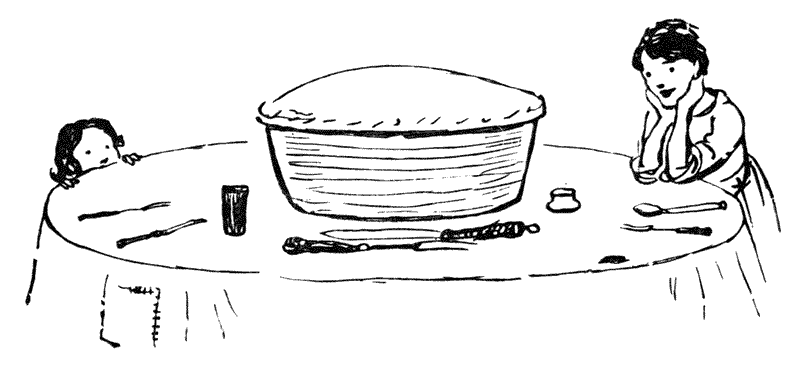
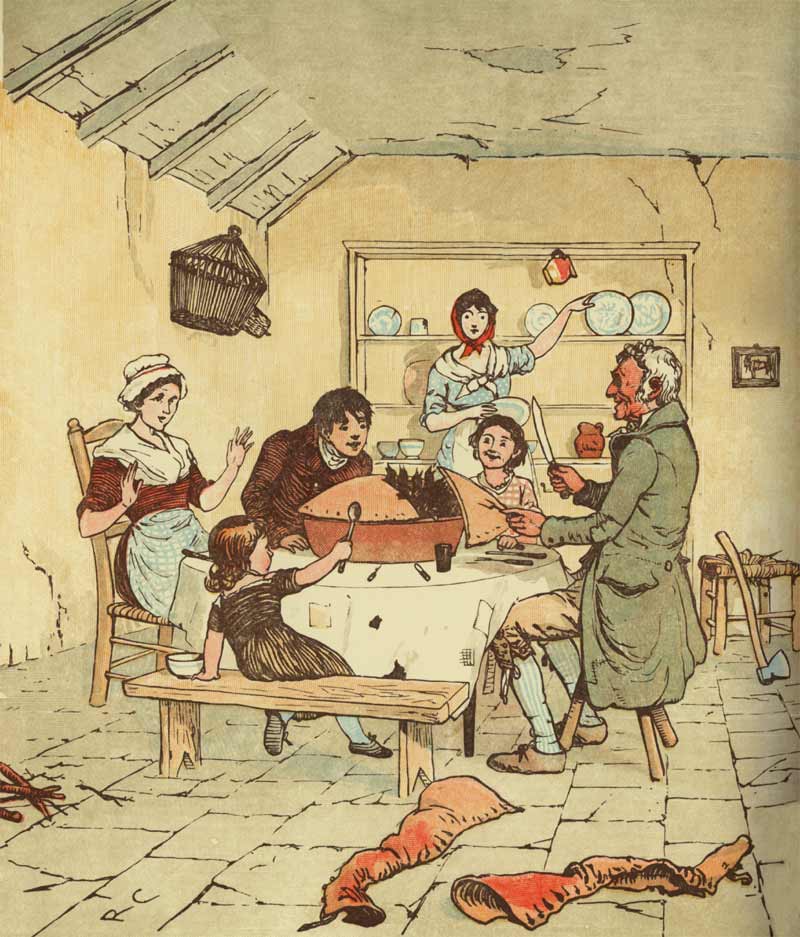
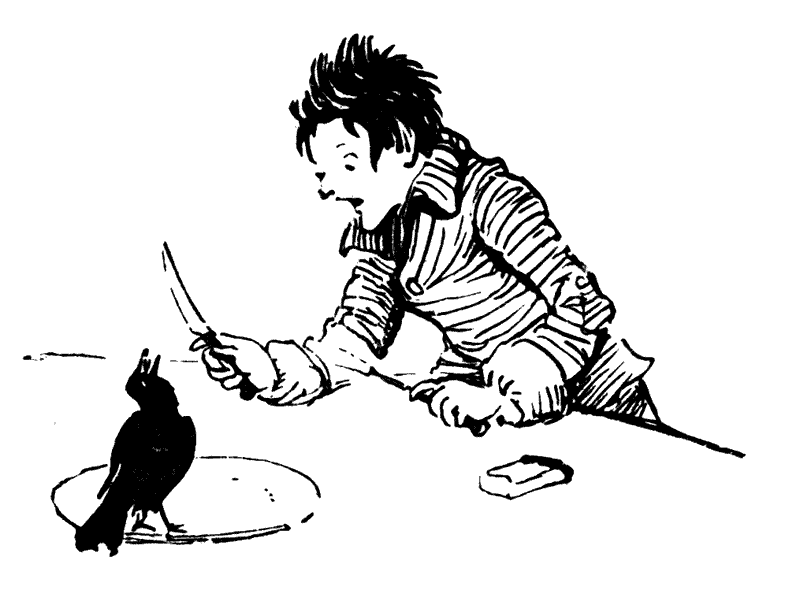
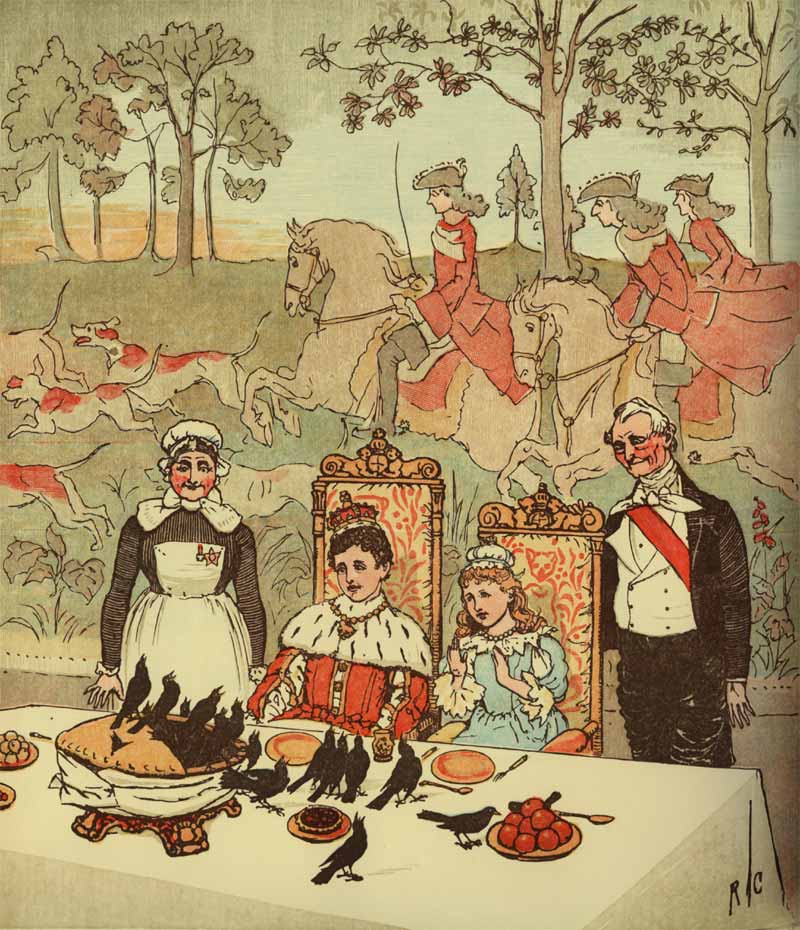
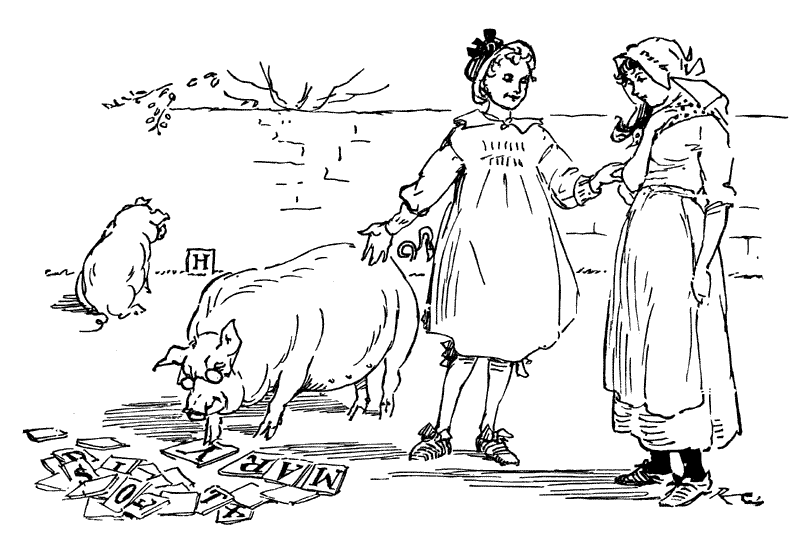
SING a Song for Sixpence,
A Pocketful
of Rye;
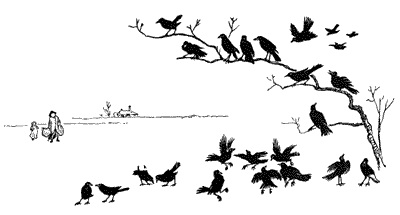
Four-and-Twenty Blackbirds
Baked
in a Pie.
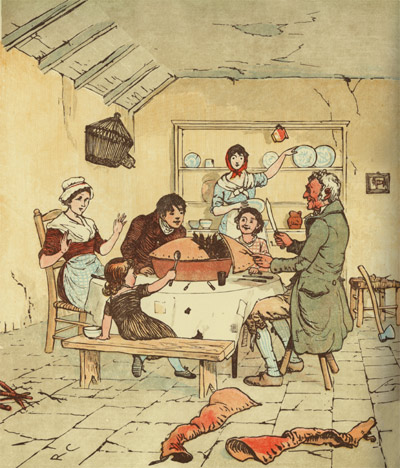
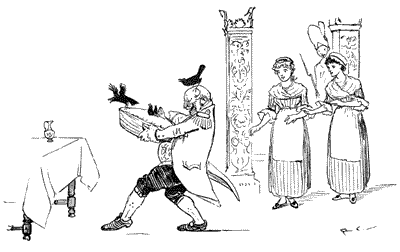
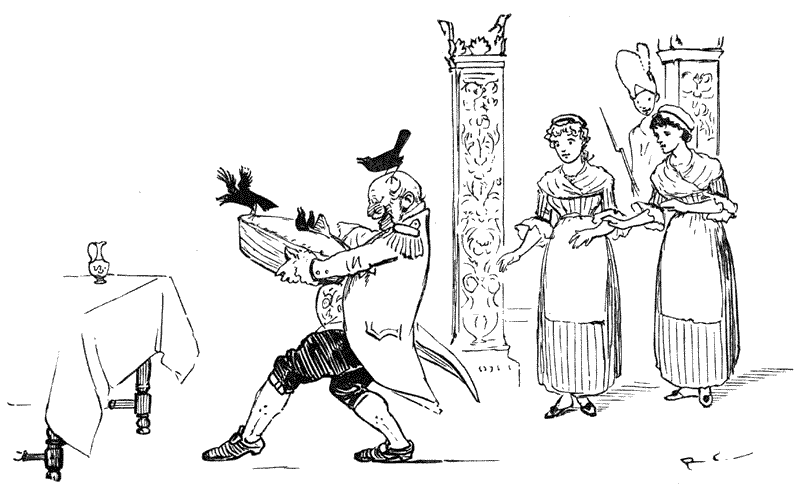
When the Pie was opened,
The Birds began to sing;
Was not that
a dainty Dish
To set before the King?
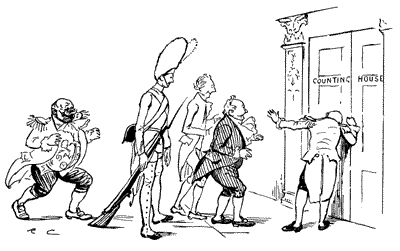
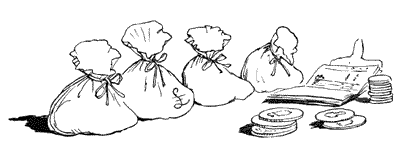
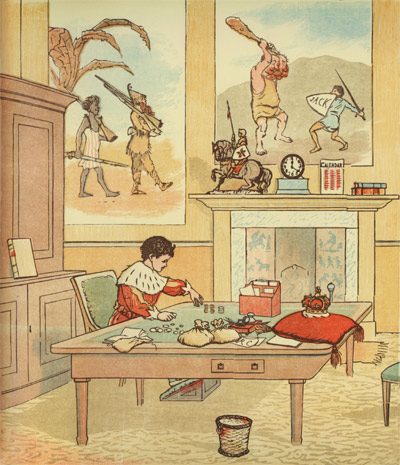
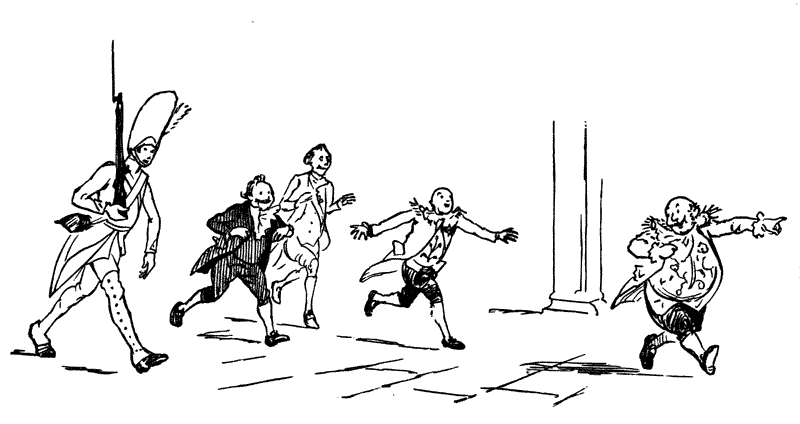
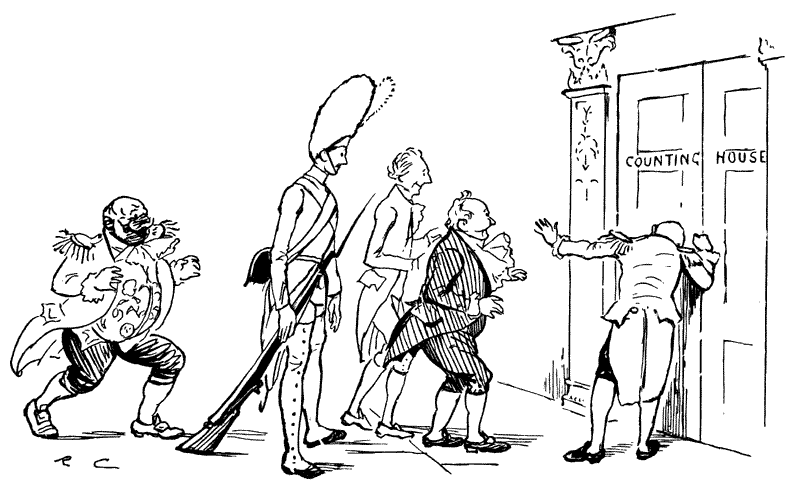
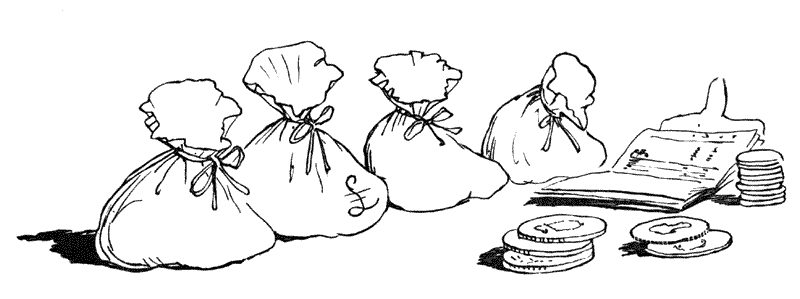
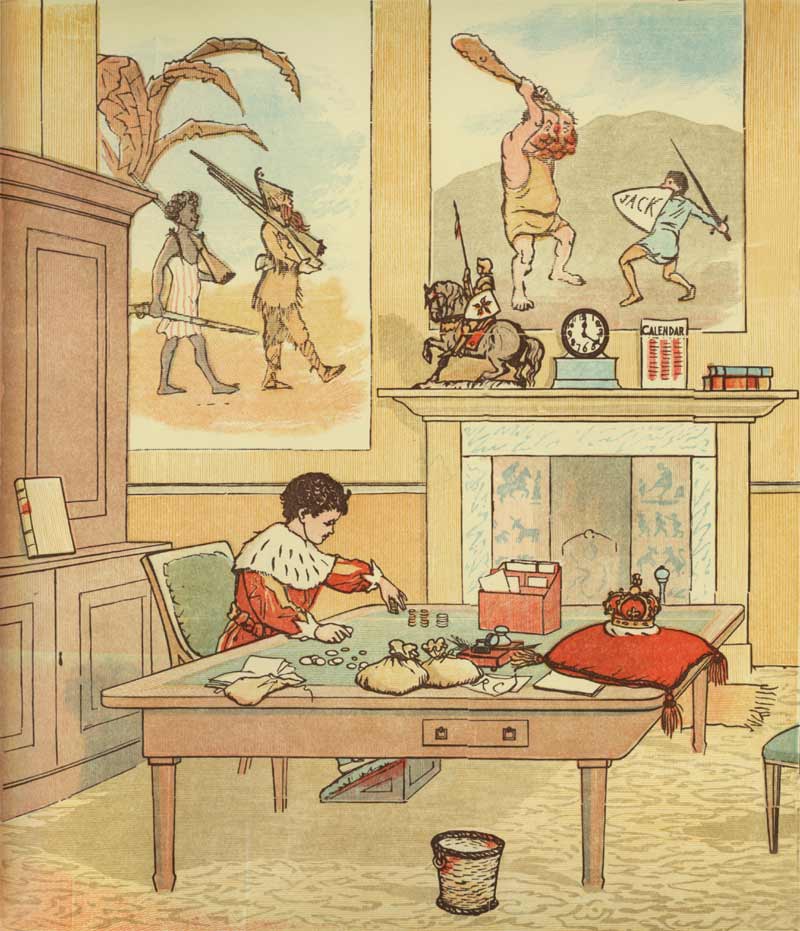
The King was in
his Counting-house,
Counting out his Money.
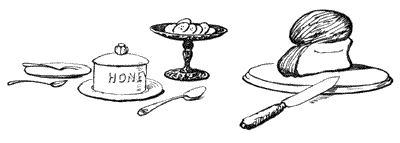
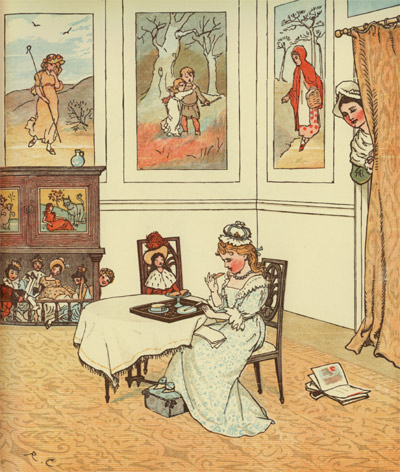
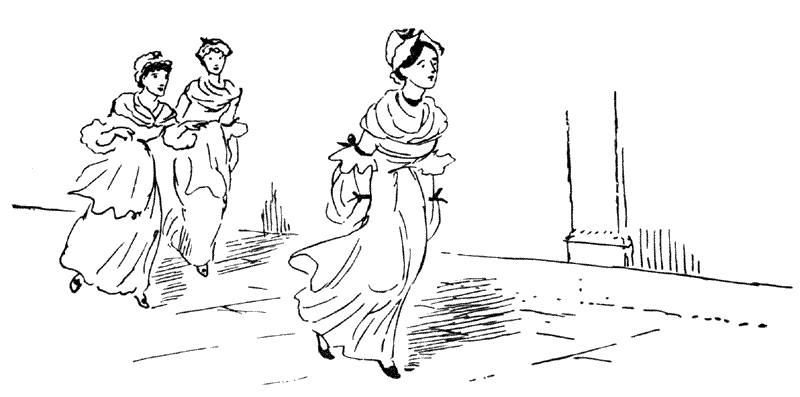
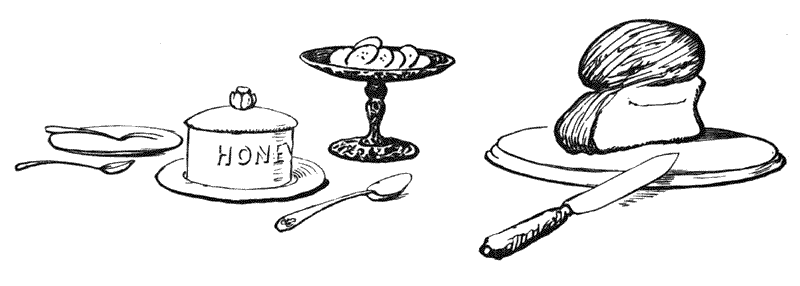
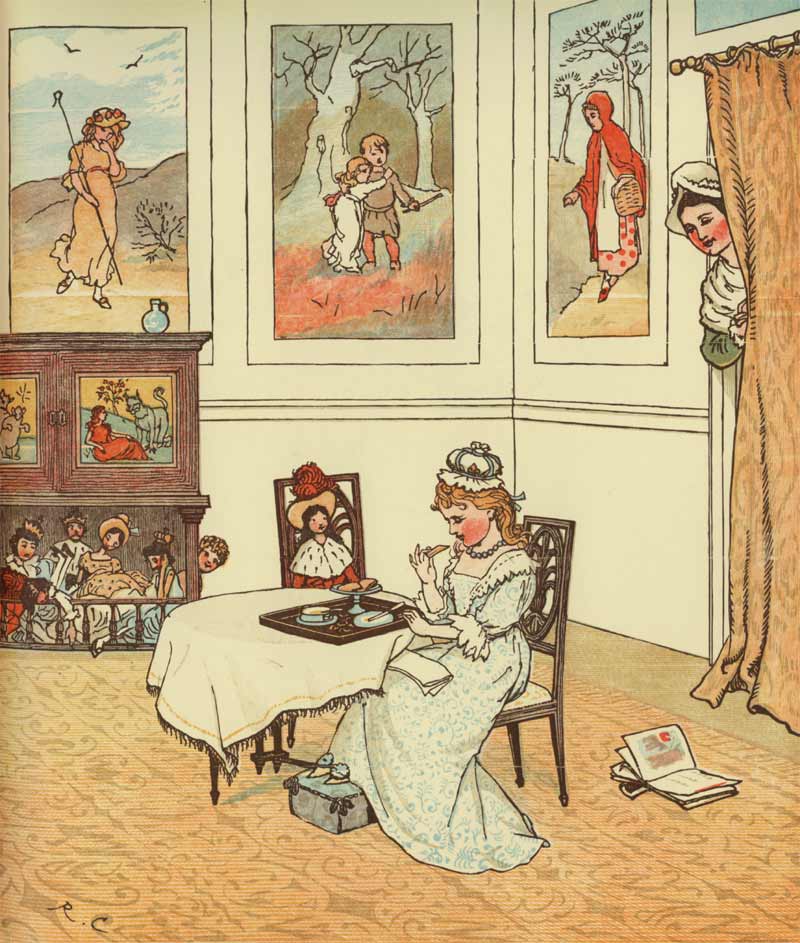
The Queen was in
the Parlour,
Eating Bread and Honey.
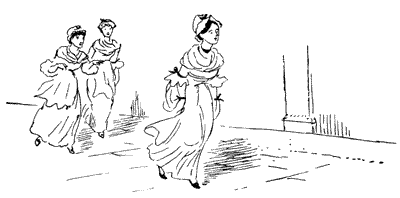
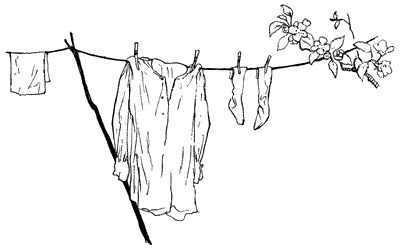
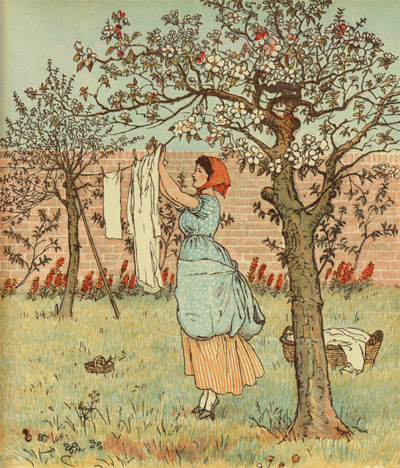
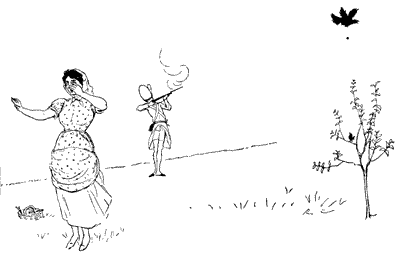
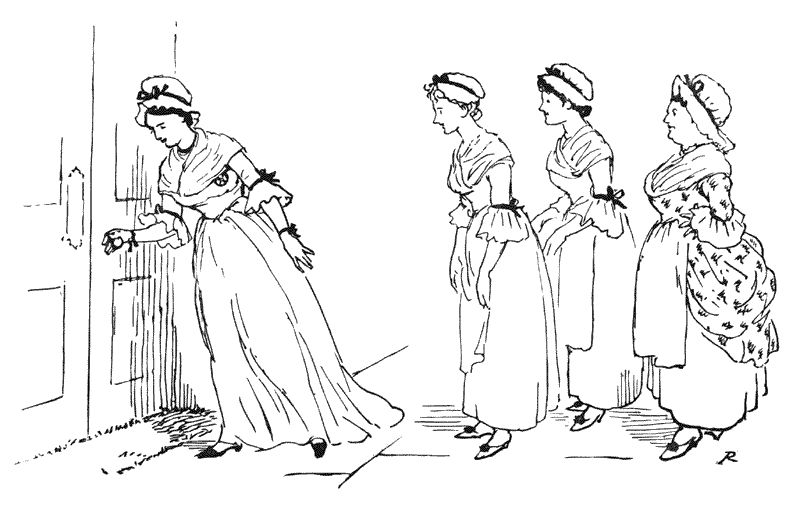
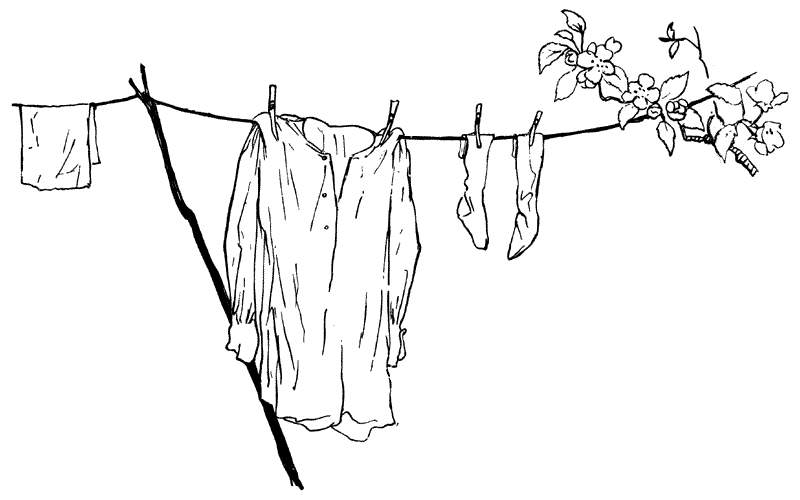
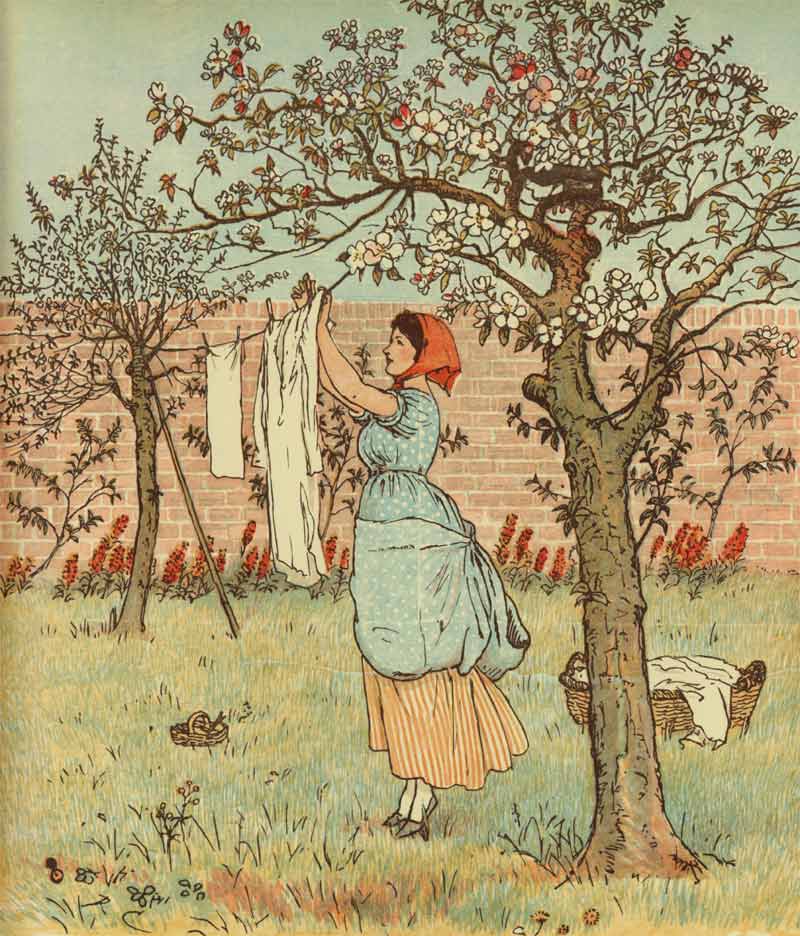
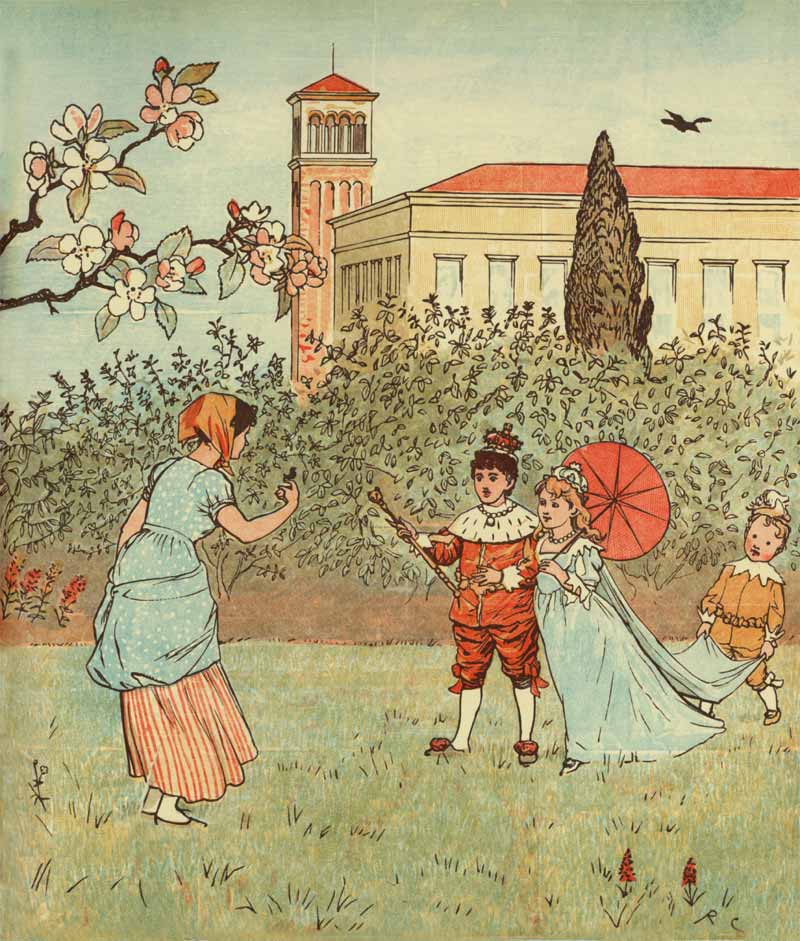
The Maid was in
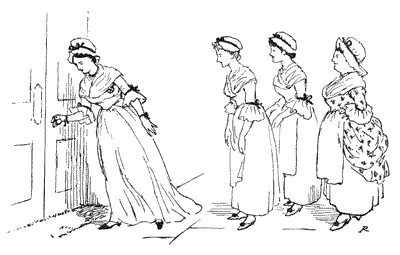
the Garden,
Hanging out the Clothes;
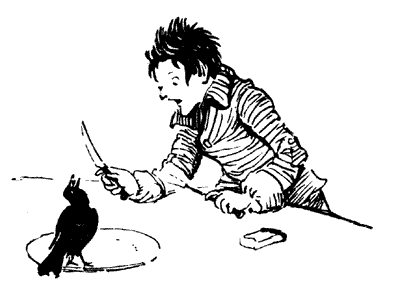
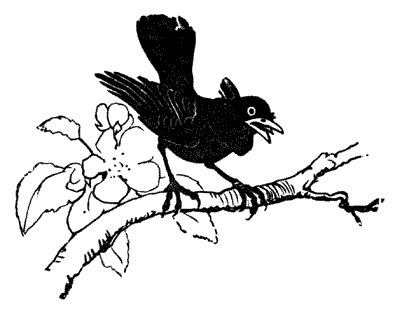
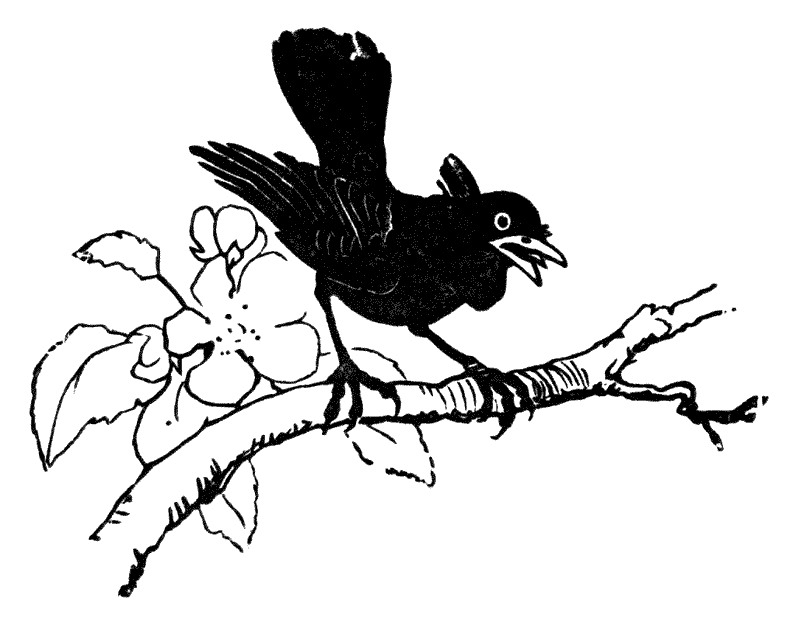
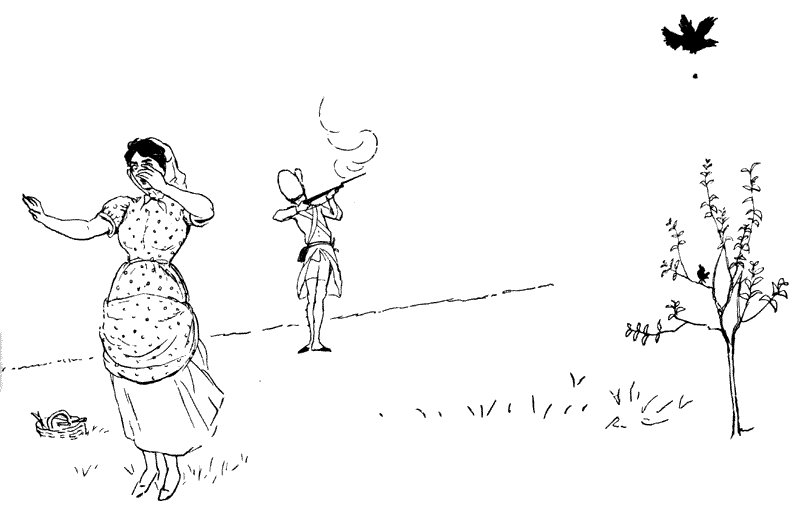
There came a little Blackbird,
And snapped off her Nose
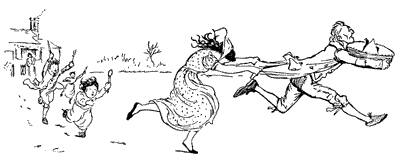
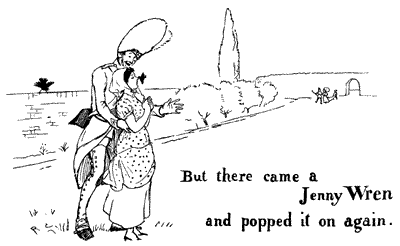
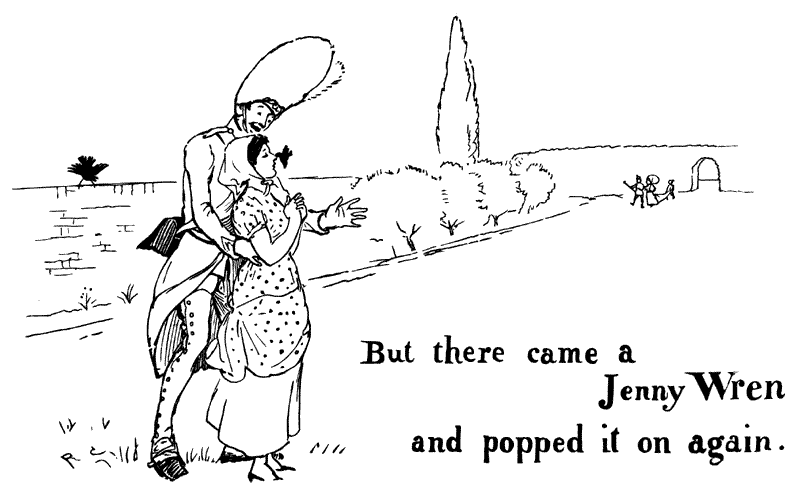
But there came a Jenny Wren
and popped it on again.
-
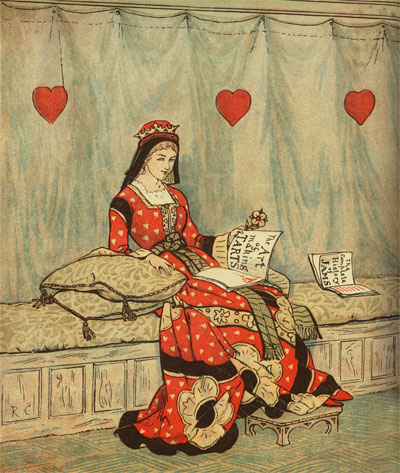
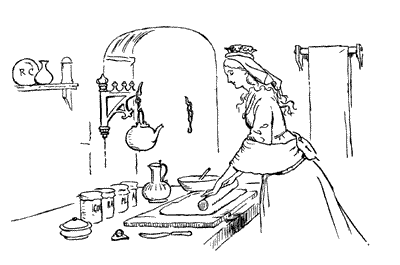
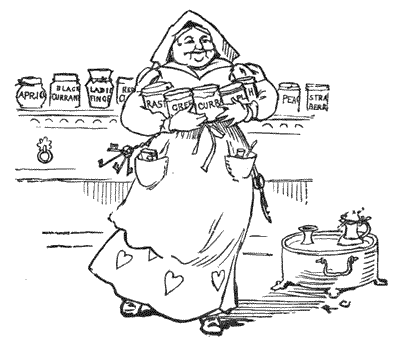
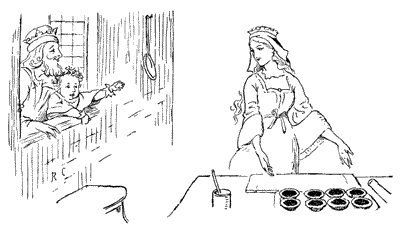
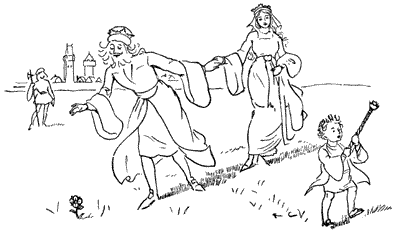
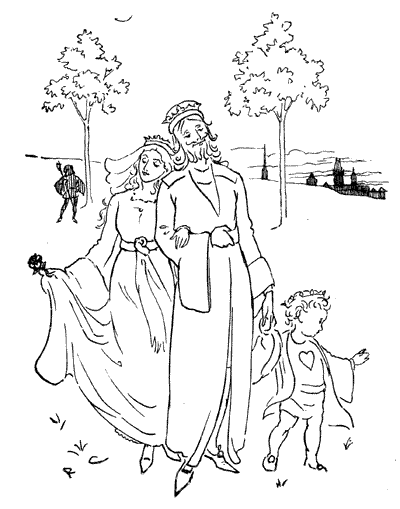
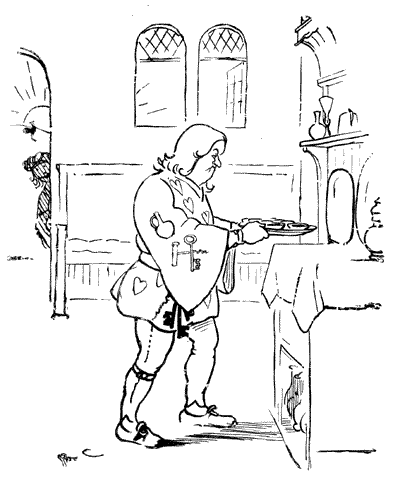
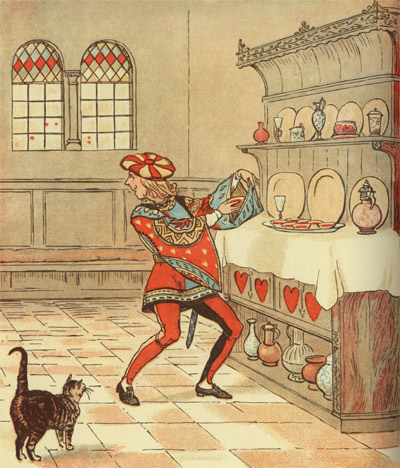
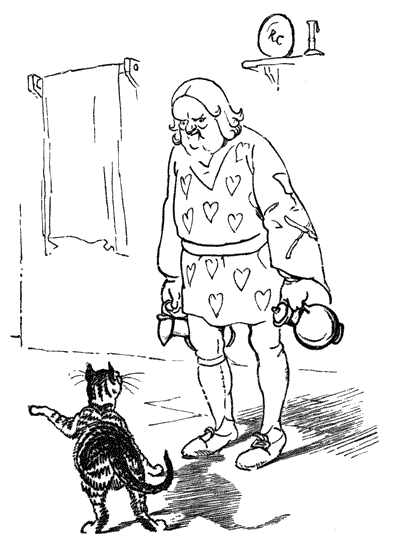
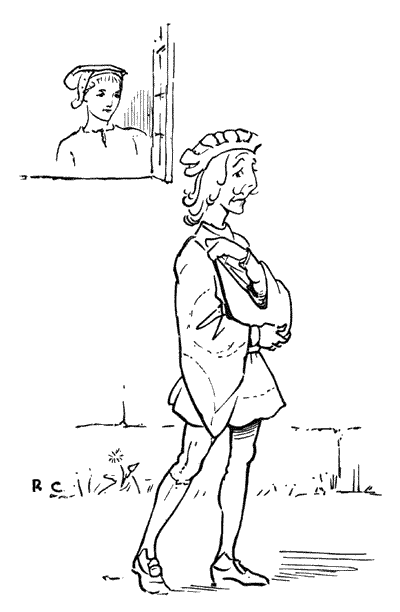
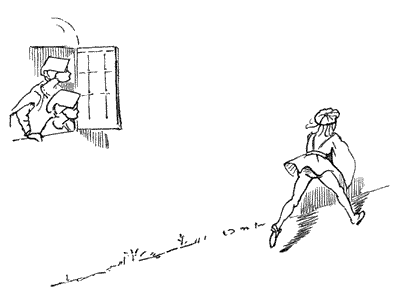
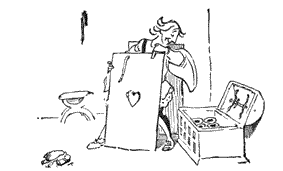
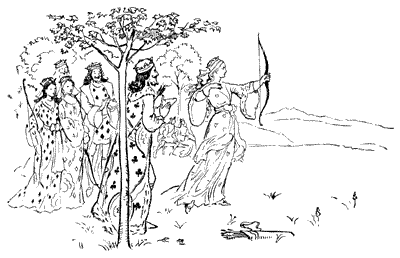
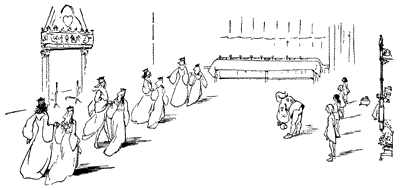
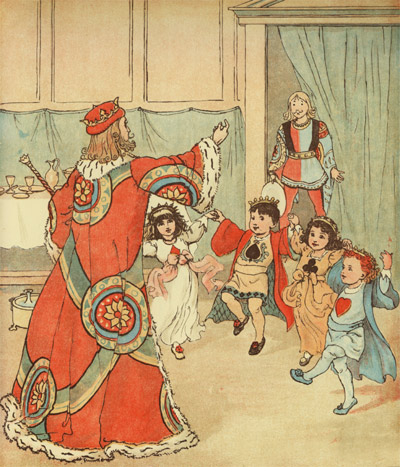
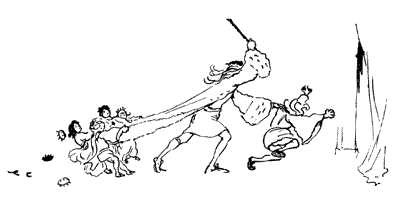
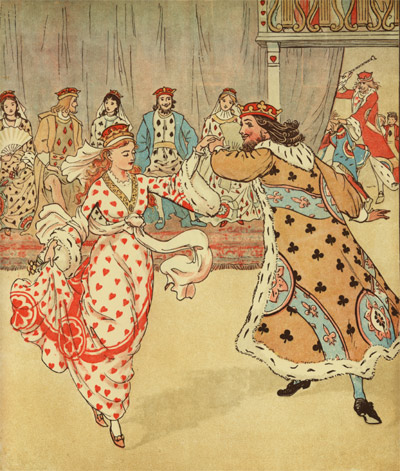
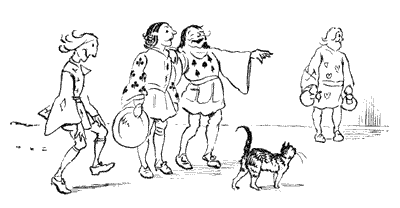
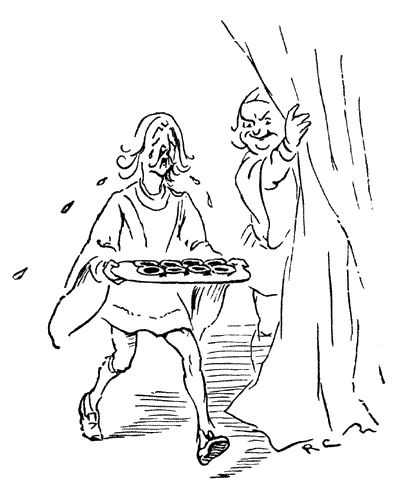
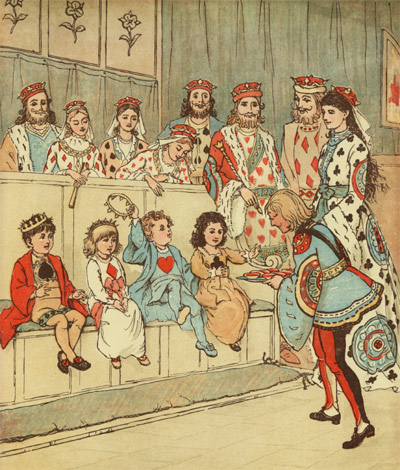
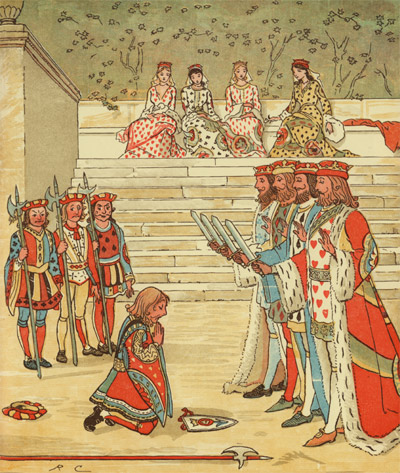
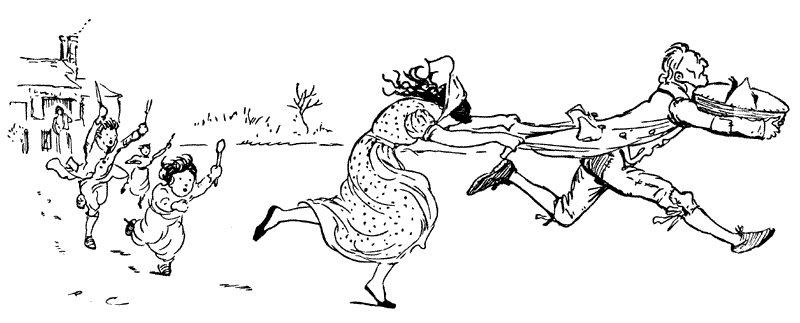
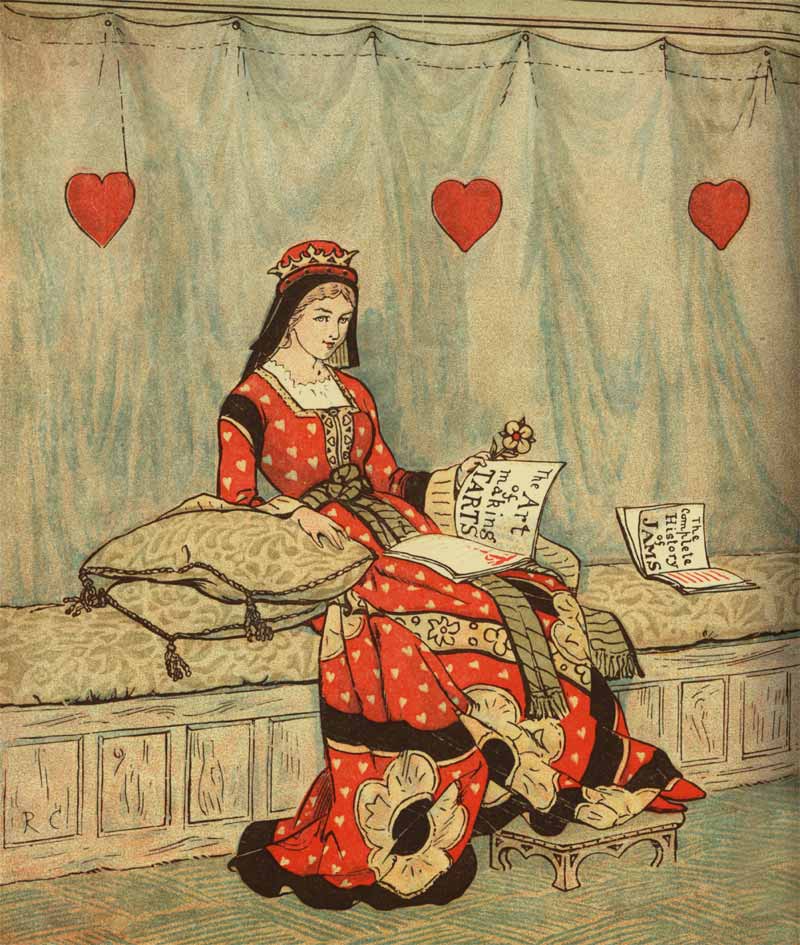
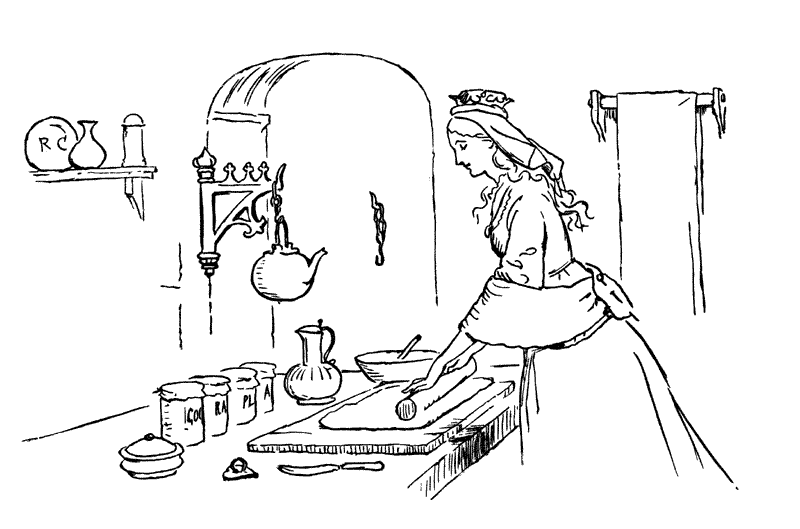
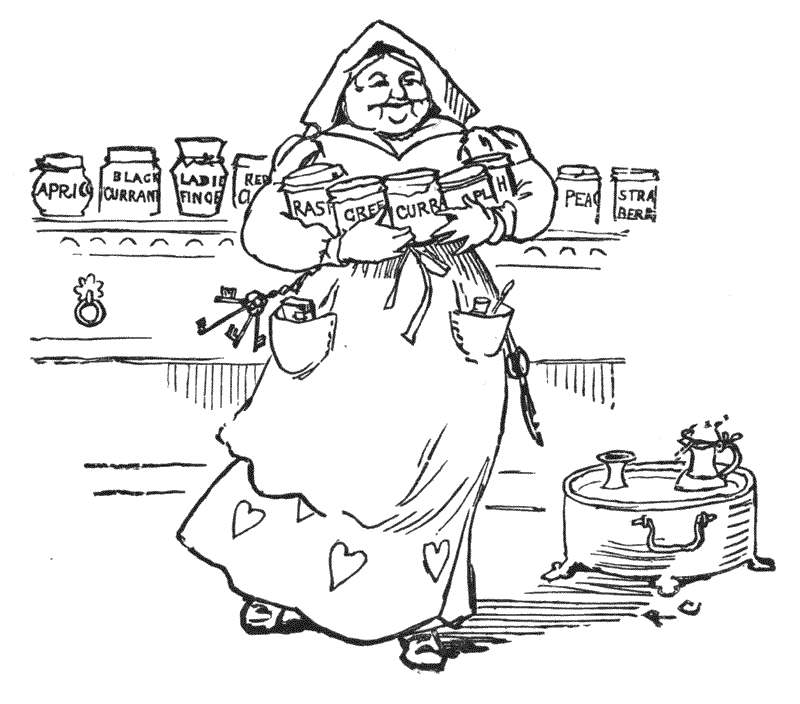
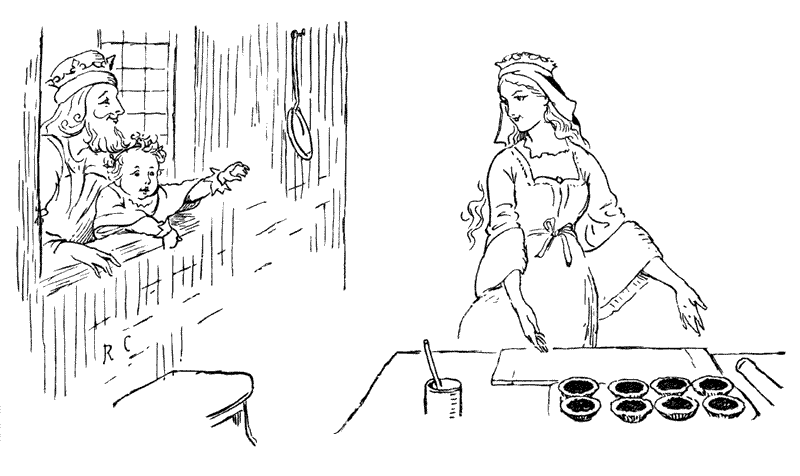
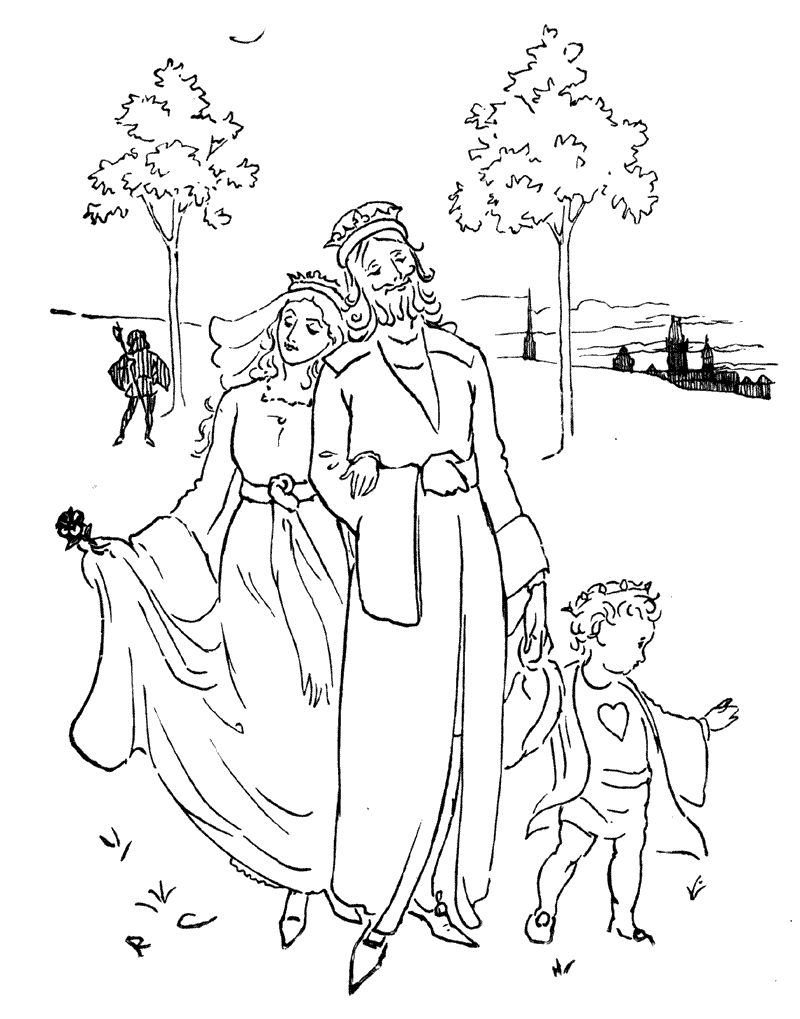
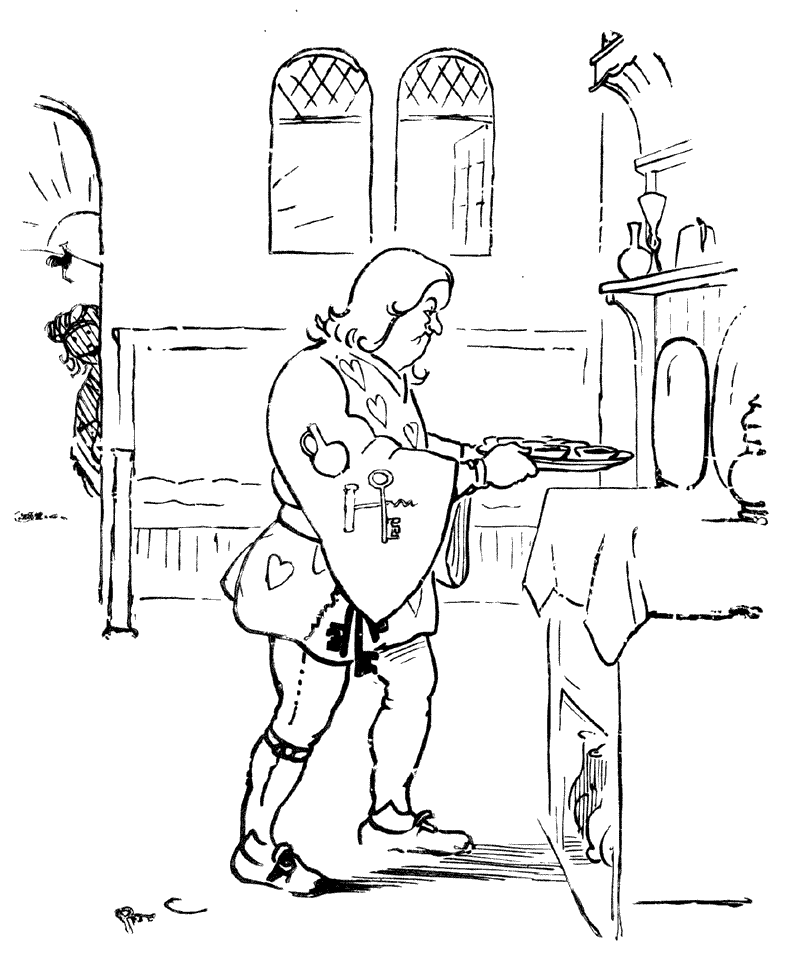
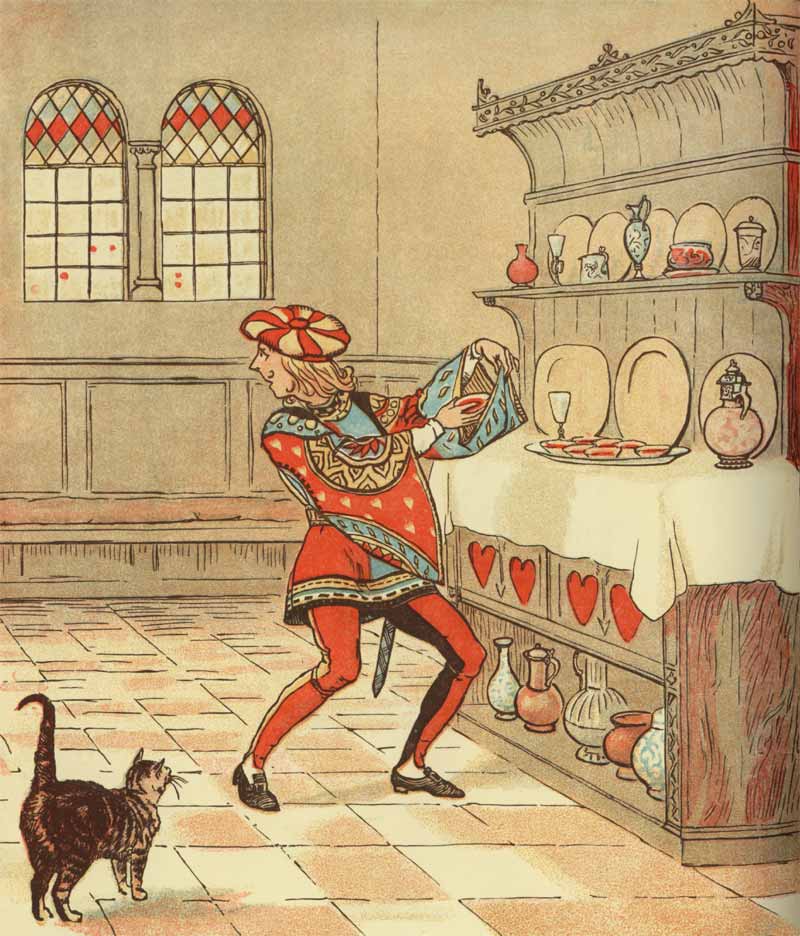
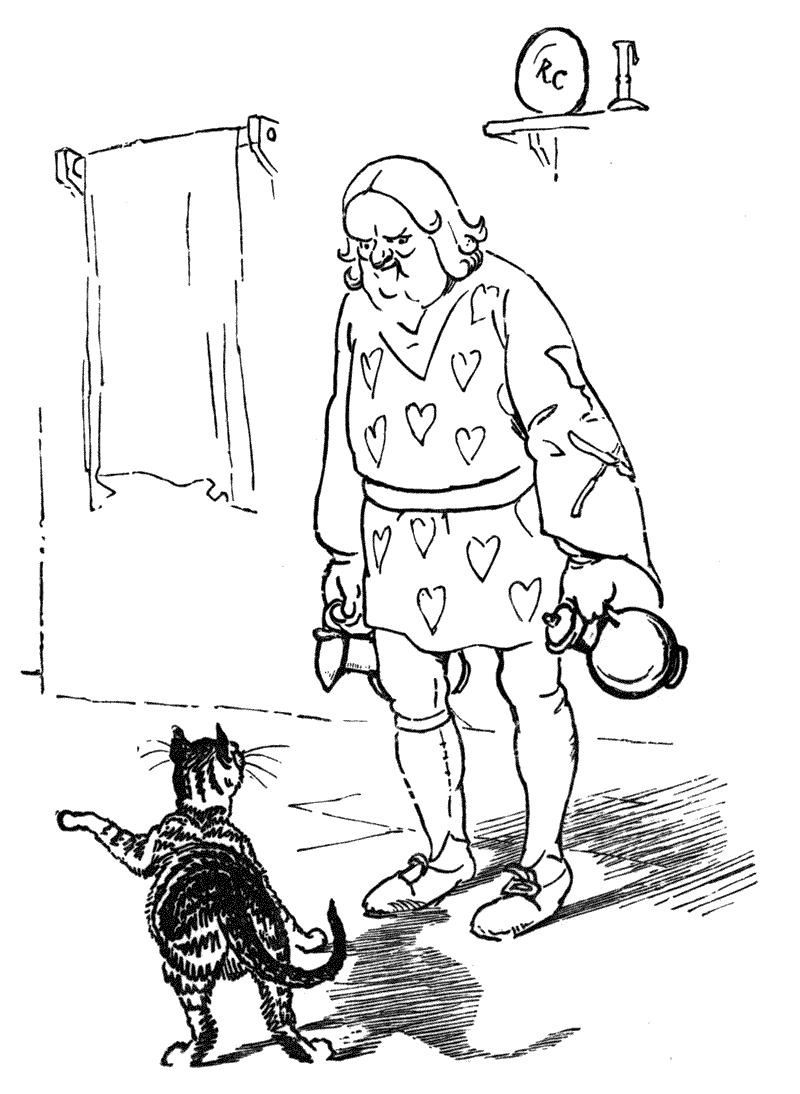
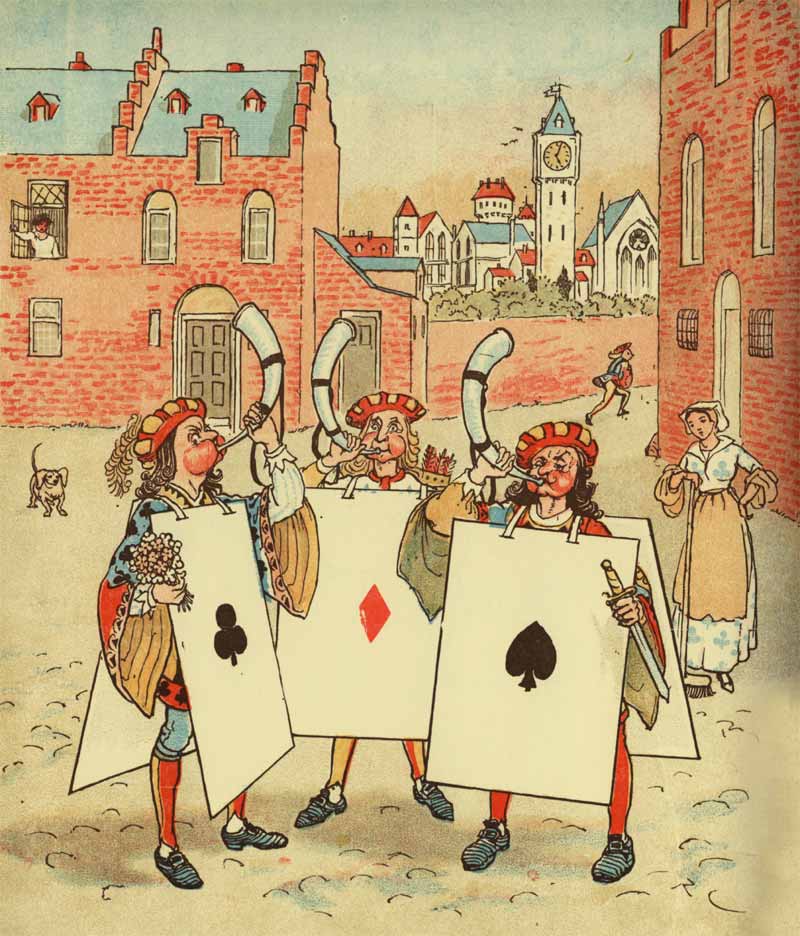
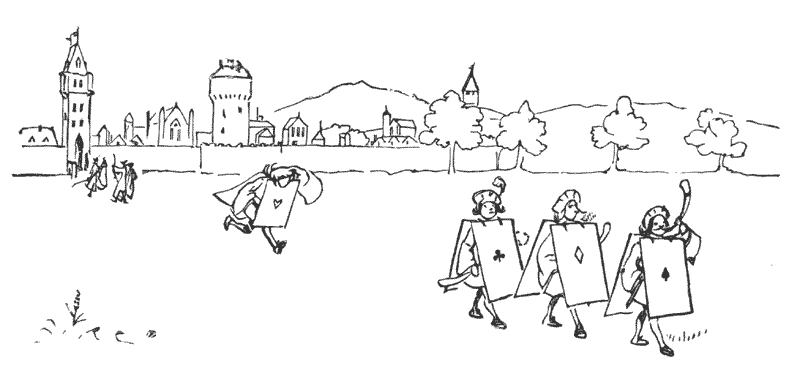
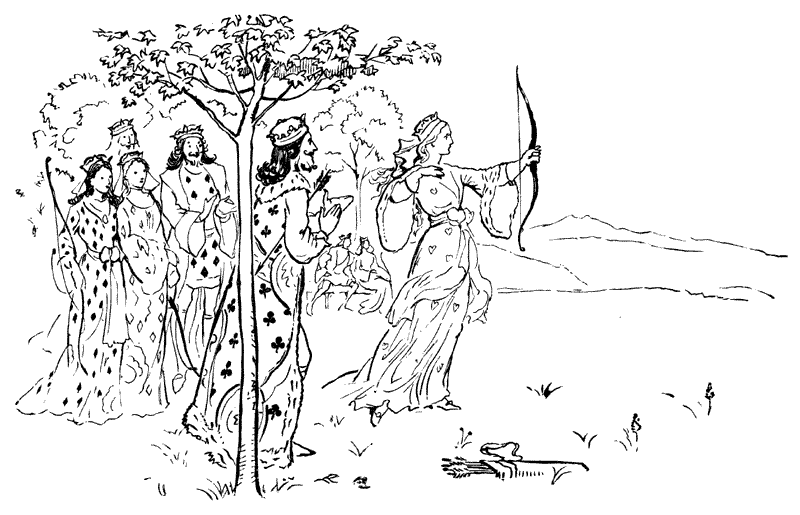
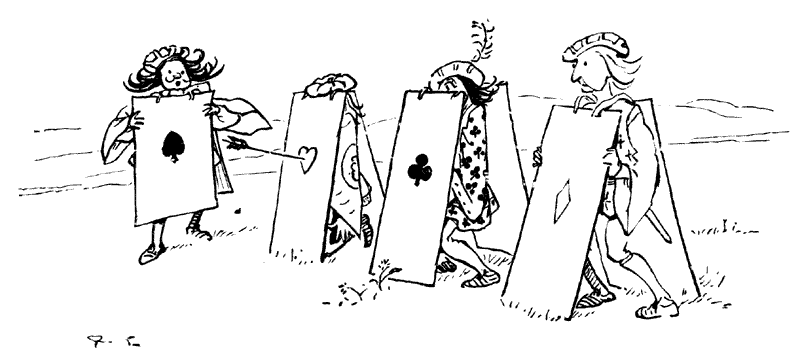
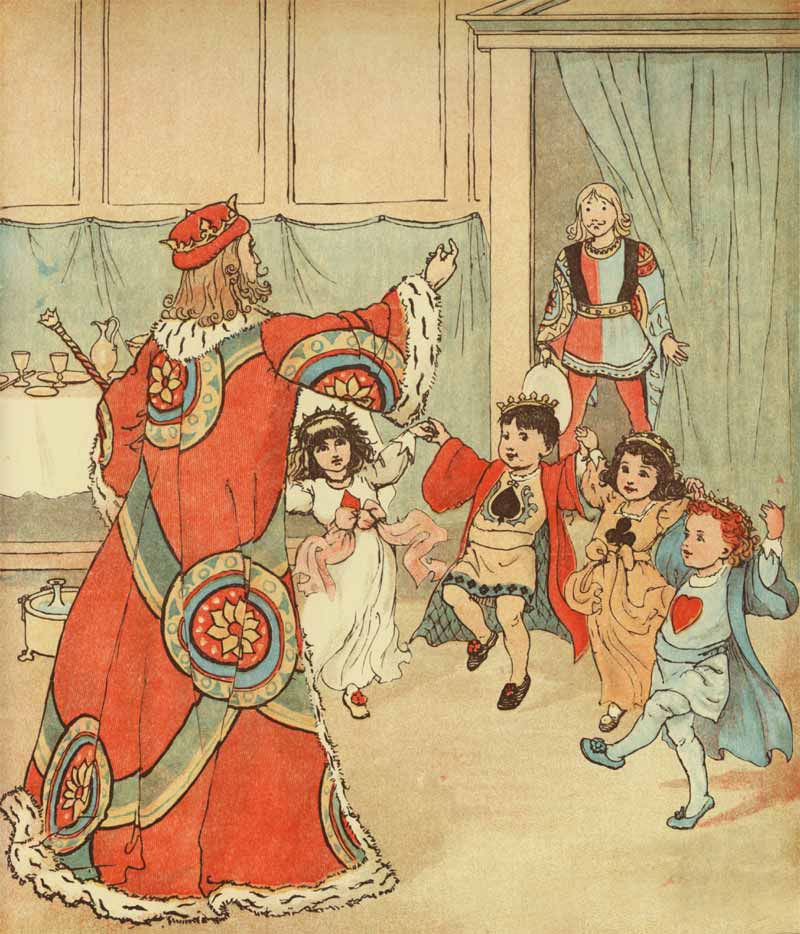
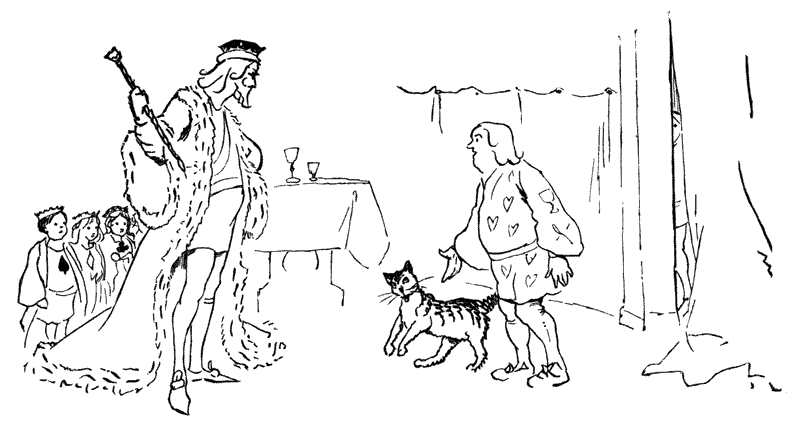
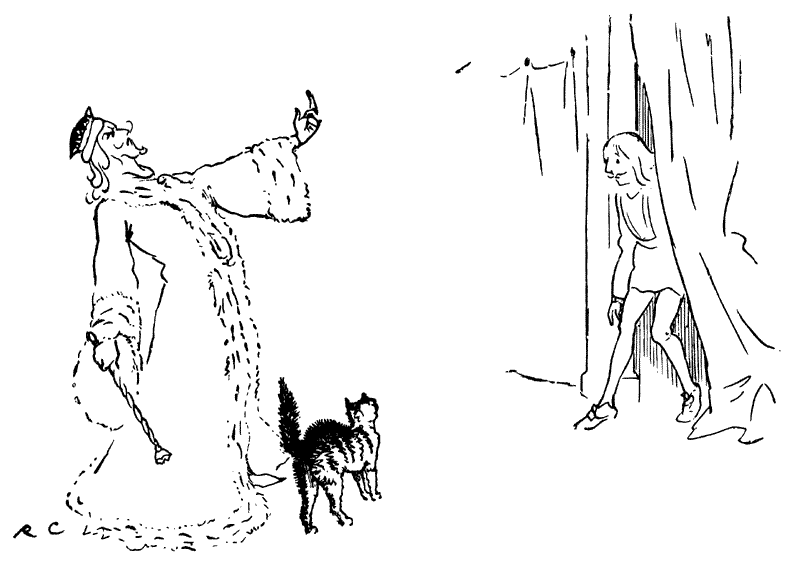
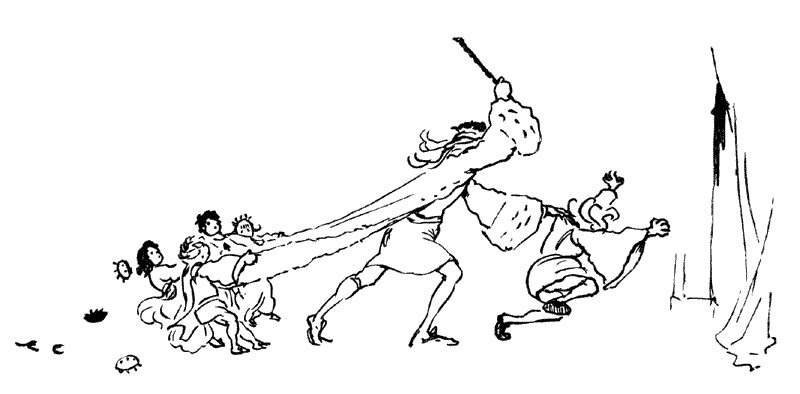
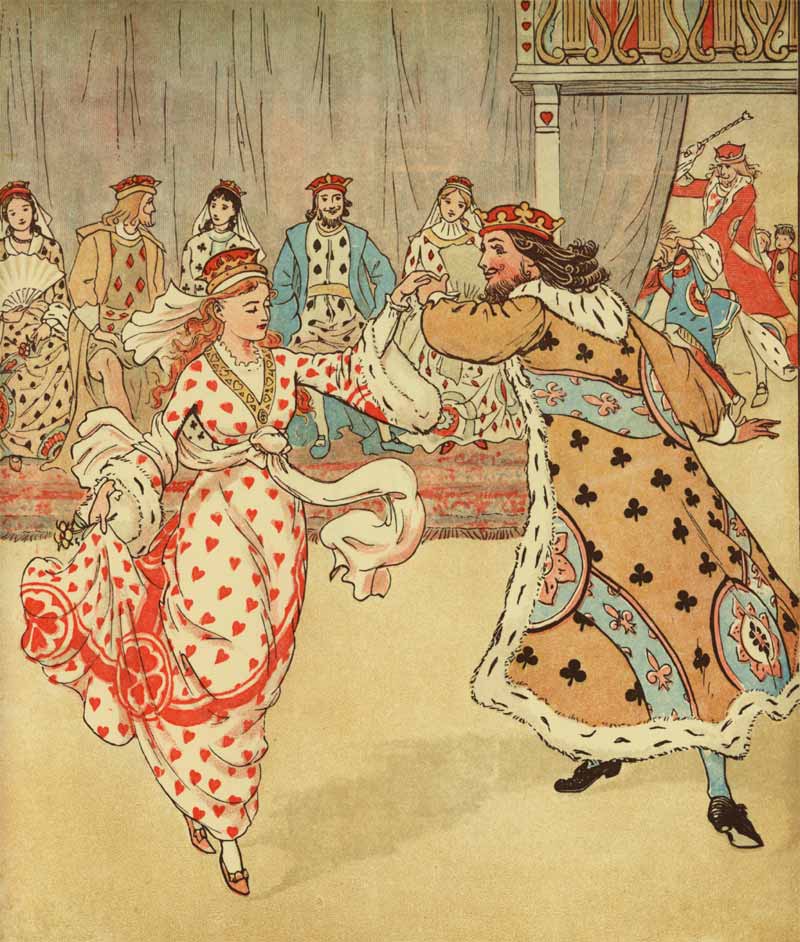
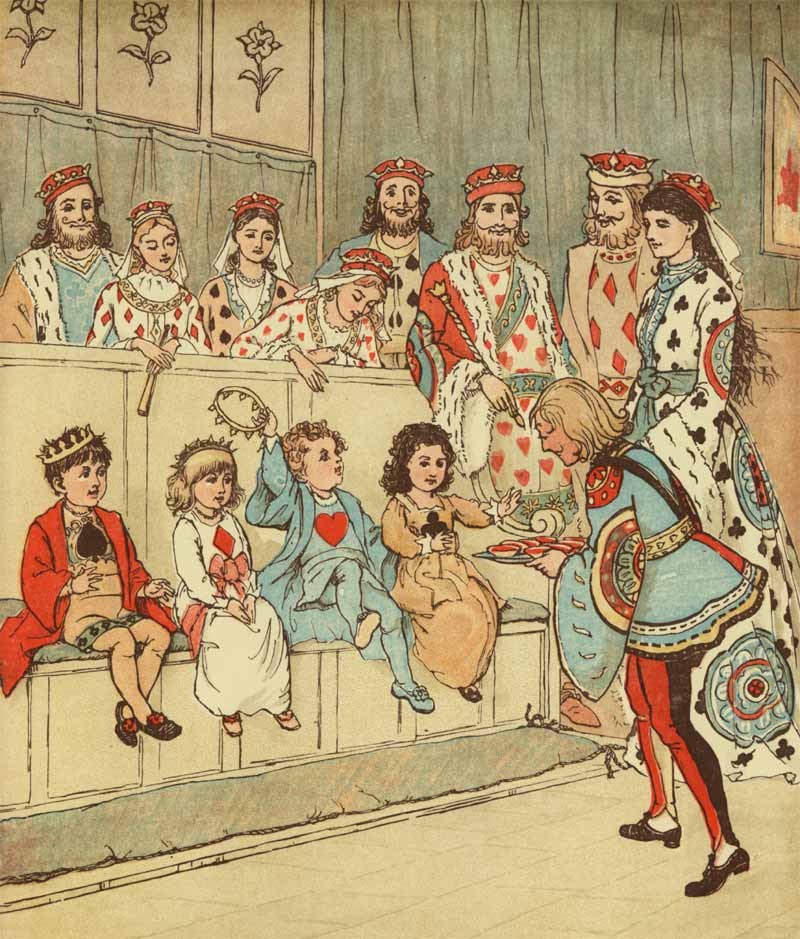
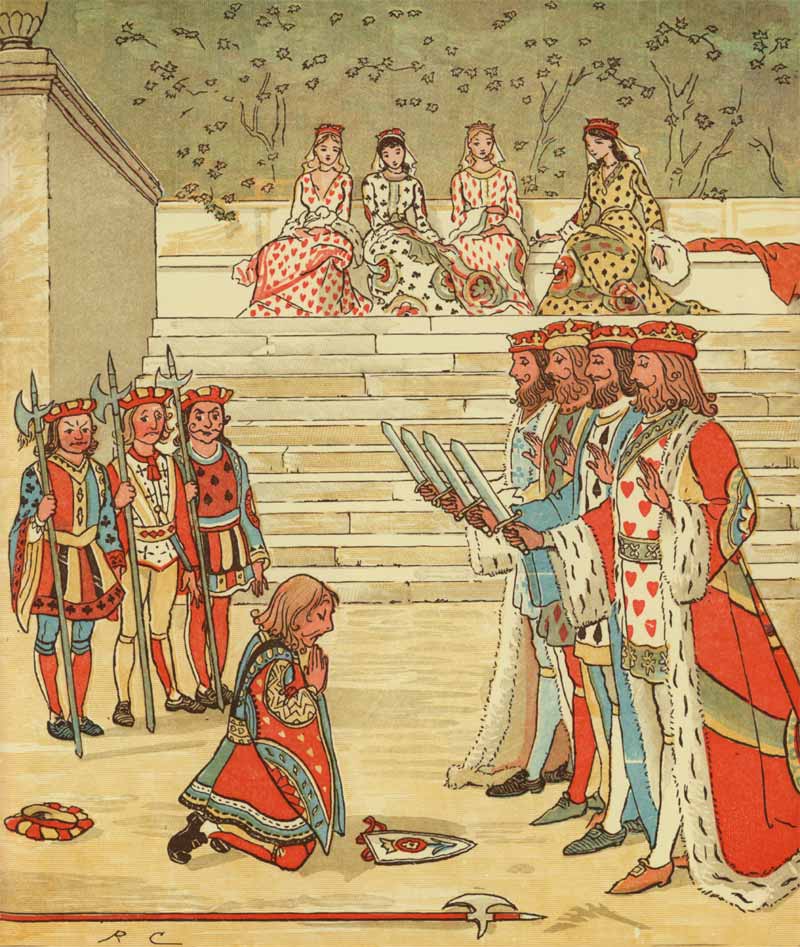
THE Queen of Hearts,
She made some Tarts,
All on a Summer’s Day:
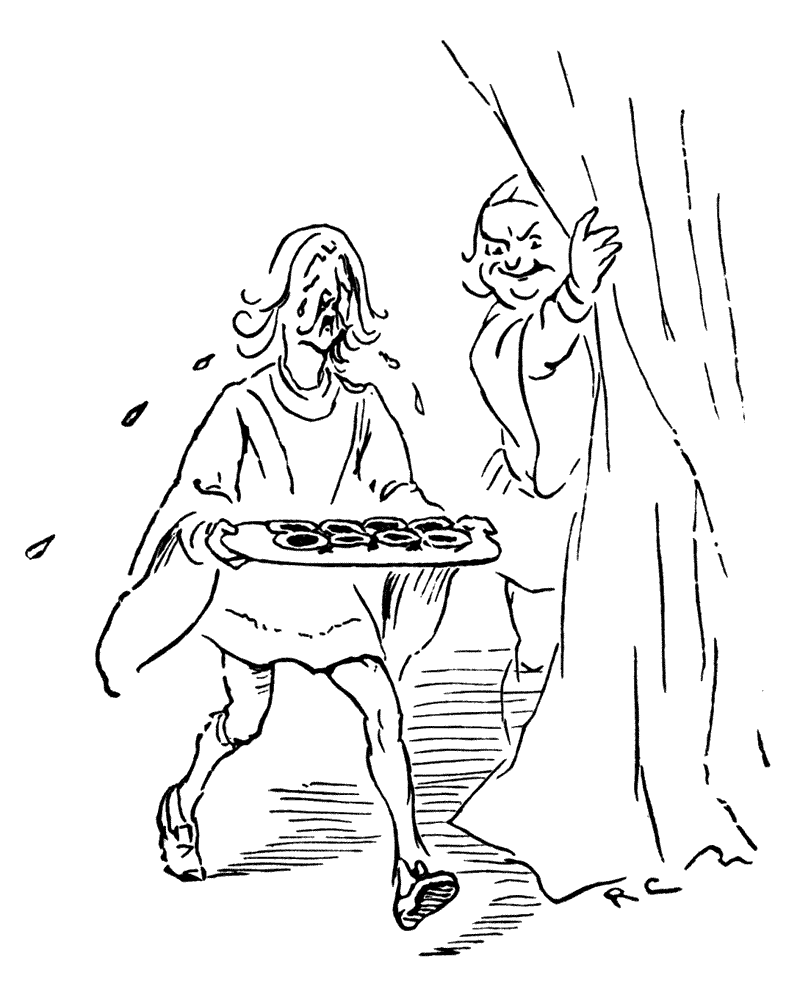
The Knave of Hearts,
He stole those Tarts,
And took them right away.
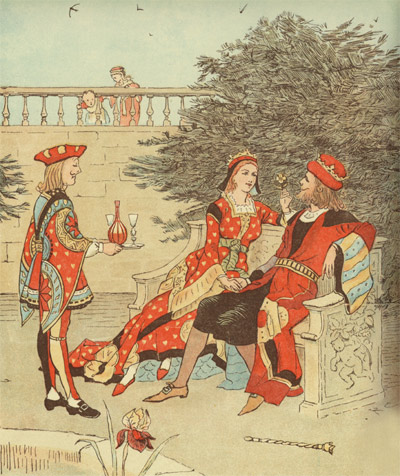
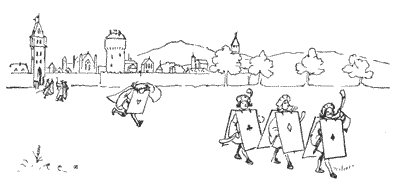
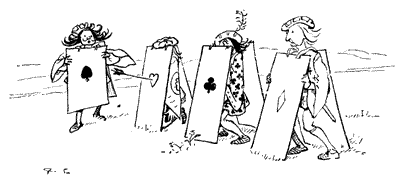
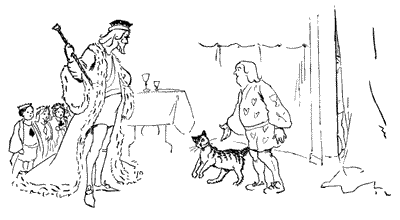
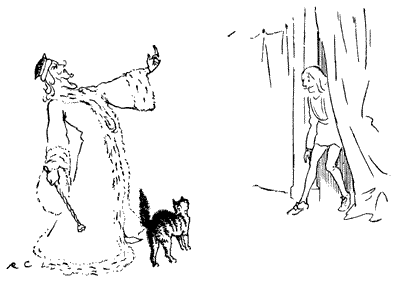
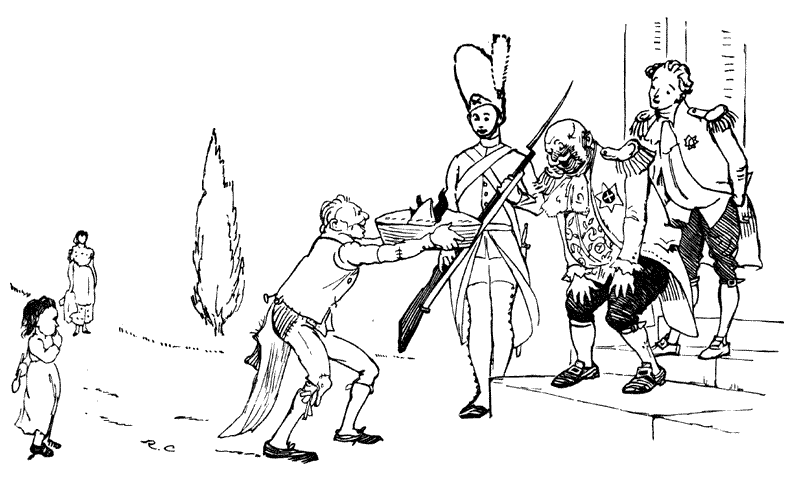
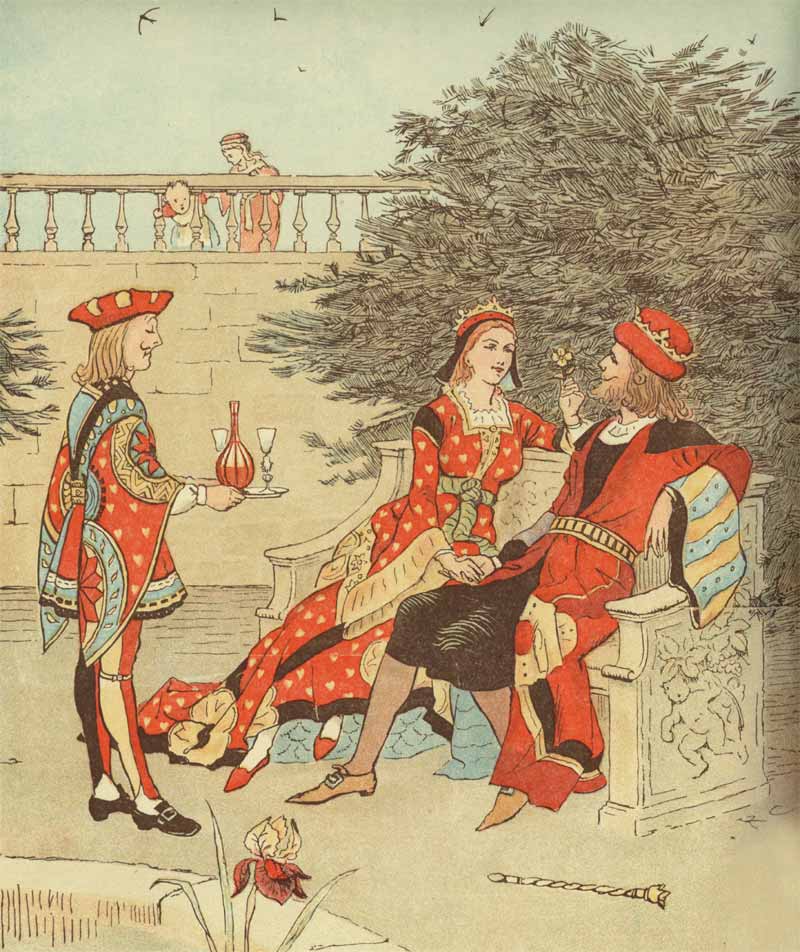
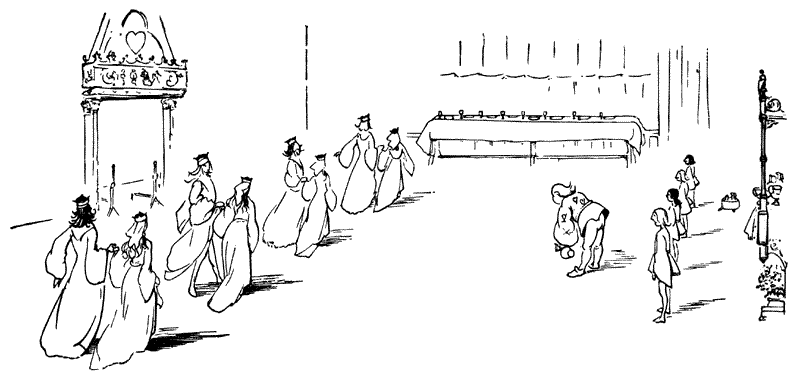
The King of Hearts,
Called for those Tarts,
And beat the Knave full sore:
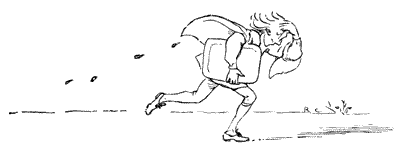
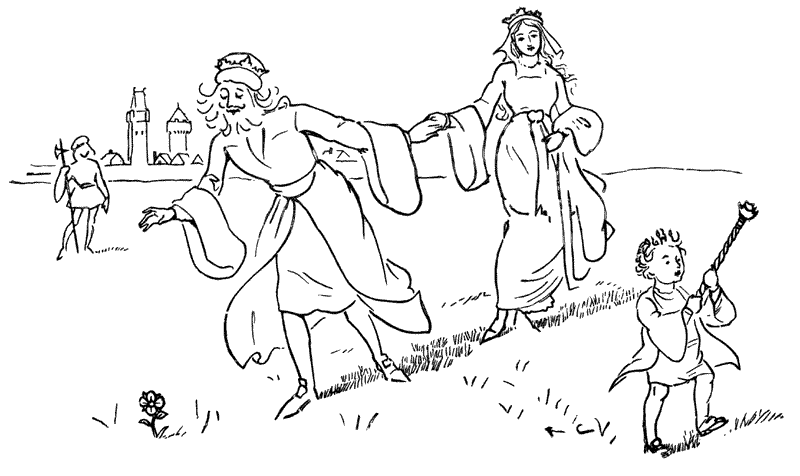
The Knave of Hearts,
Brought back those Tarts,
And vowed he’d steal no more.
-
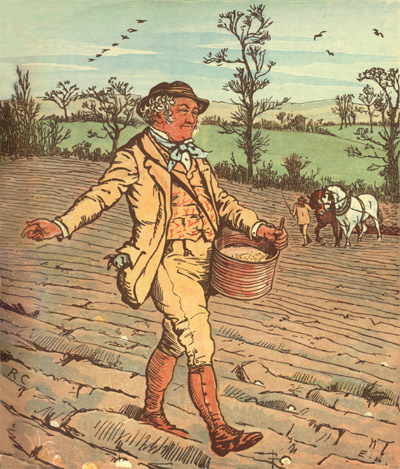
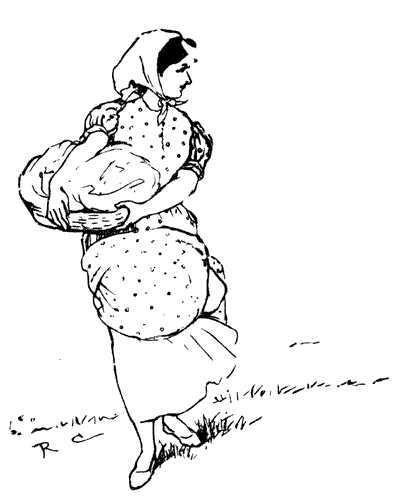
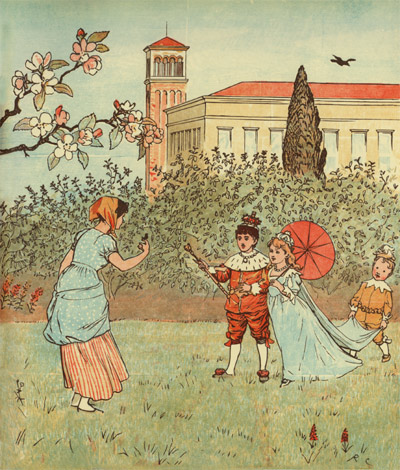
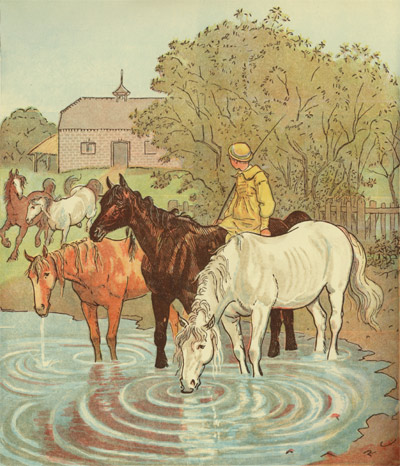
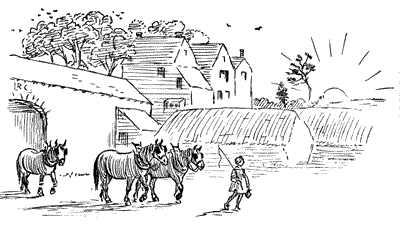
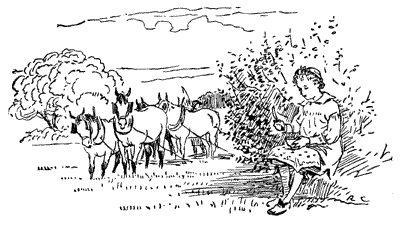
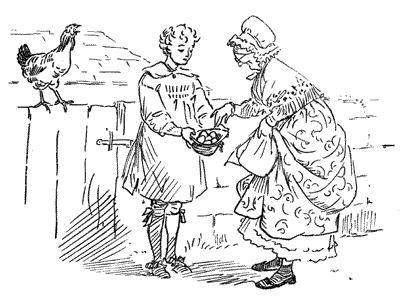
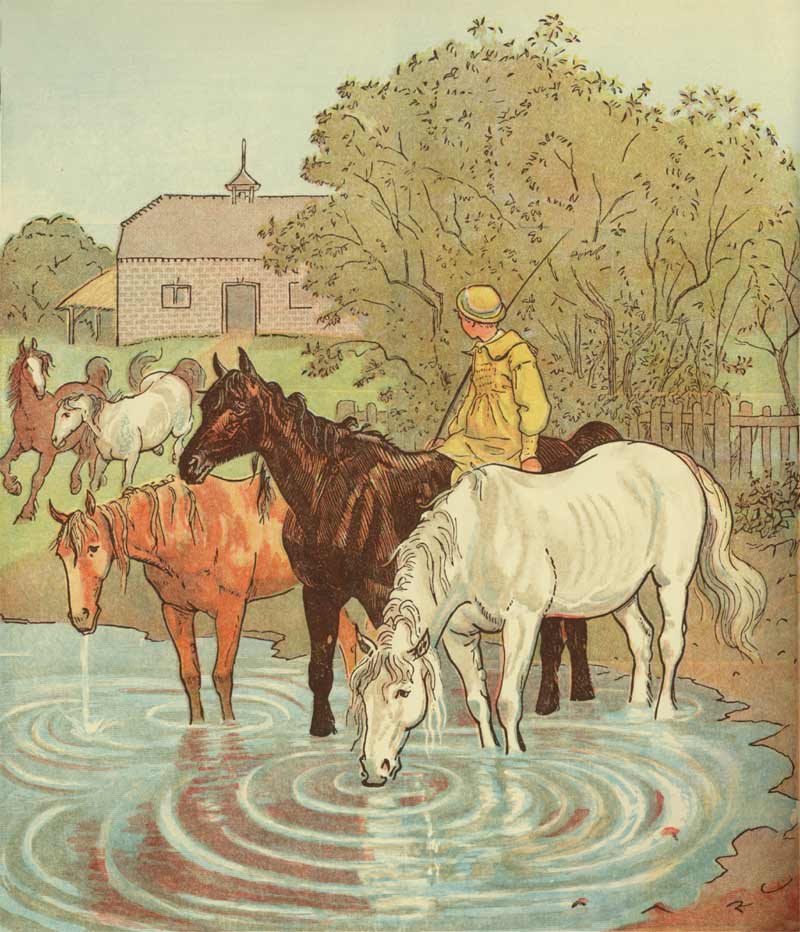
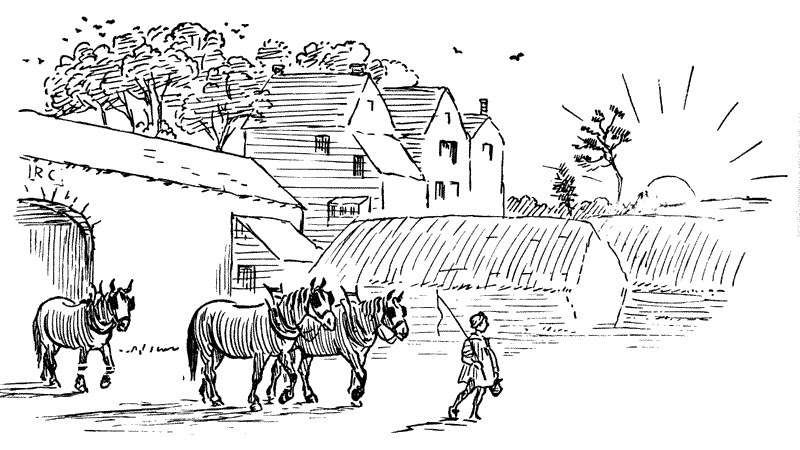
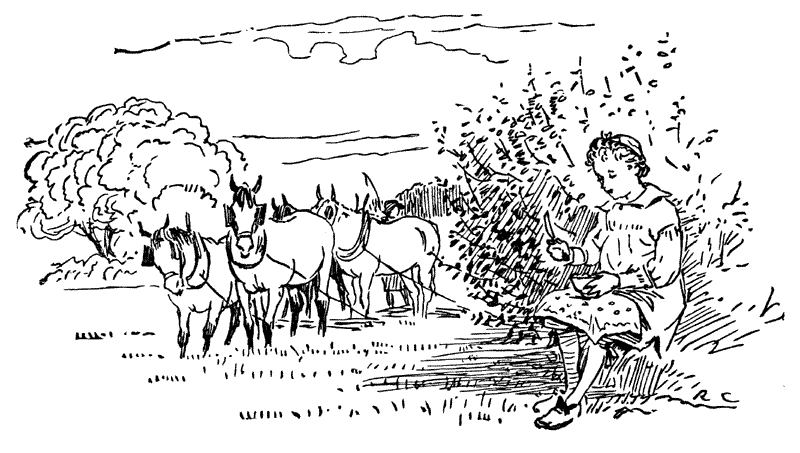
WHEN I was a farmer, a Farmer’s Boy,
I used to keep my master’s HORSES,
With a Gee-wo here, and a Gee-wo there,
And here a Gee, and there a Gee,
And everywhere a Gee;
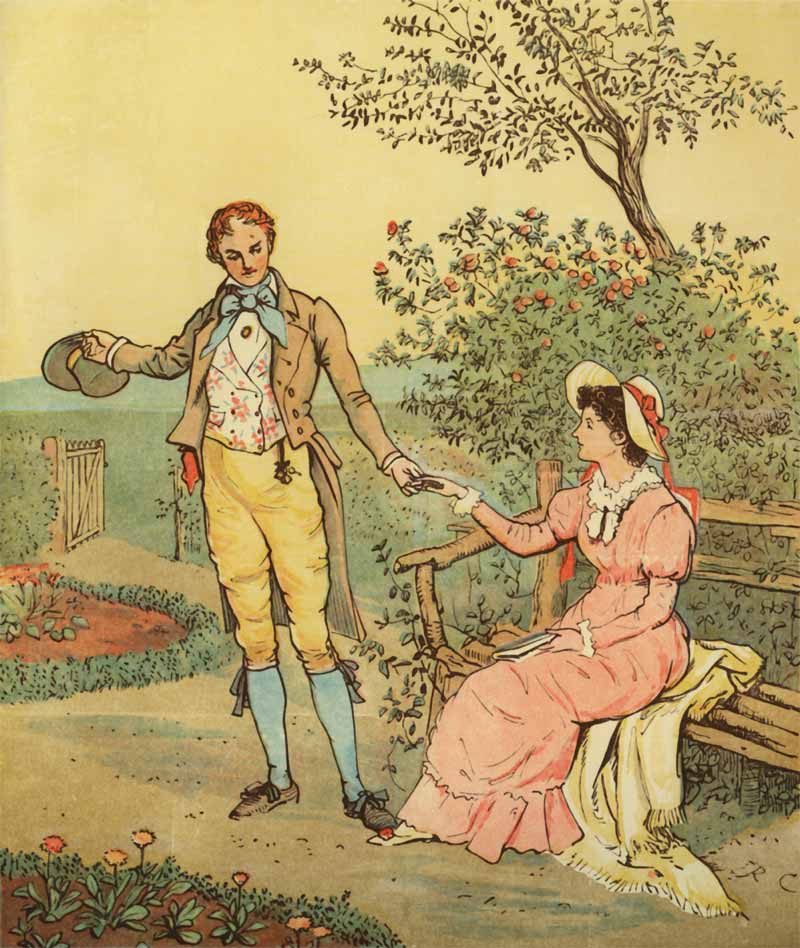
Says I, My pretty lass, will you come to the banks of the Aire oh?
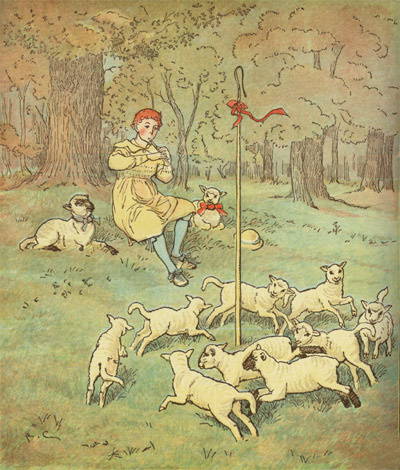
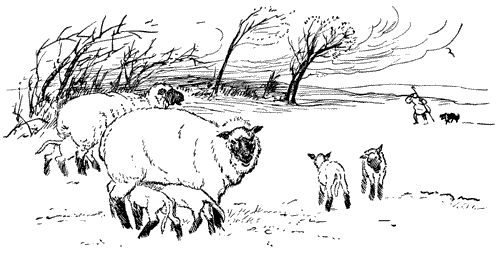
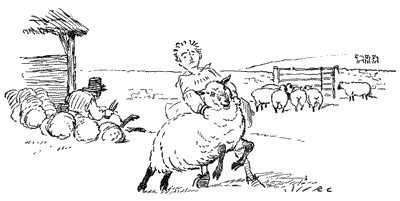
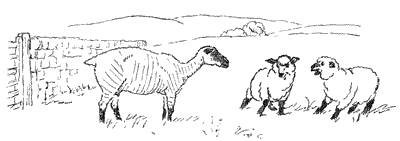
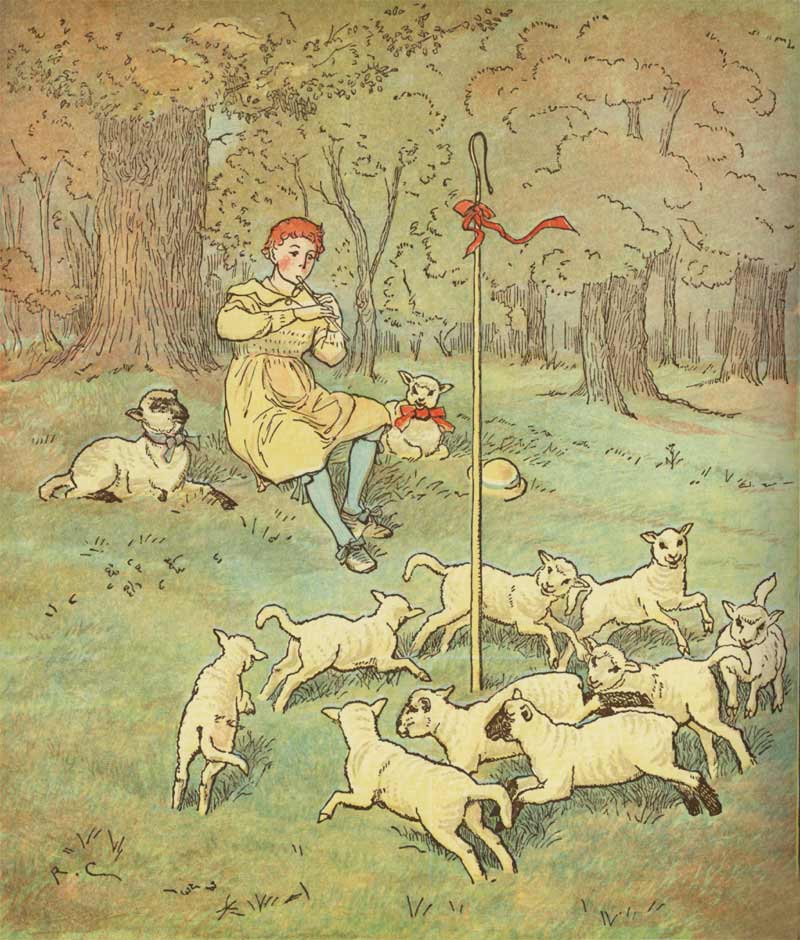
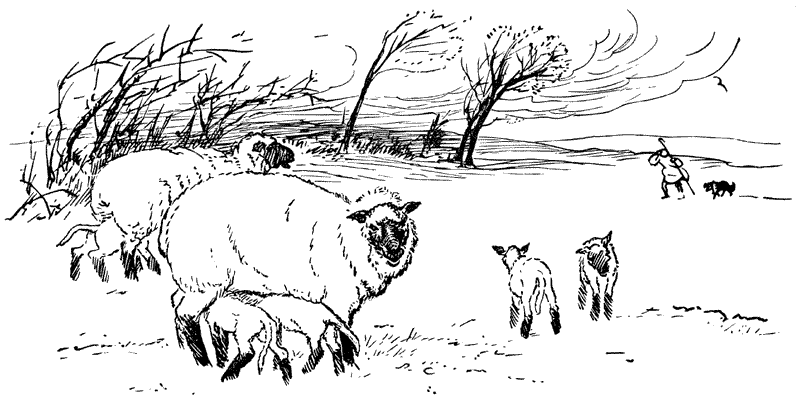
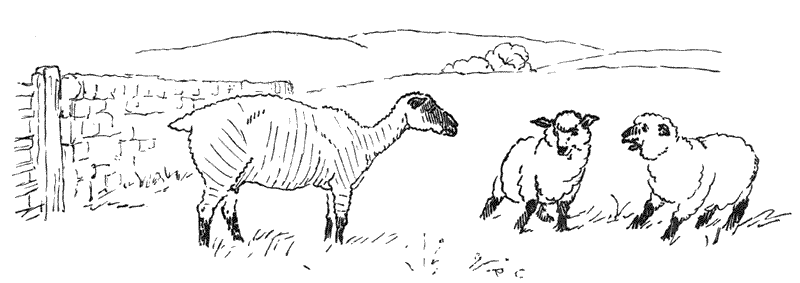
When I was a farmer, a Farmer’s Boy,
I used to keep my master’s LAMBS,
With a Baa-baa here, and a Baa-baa there,
And here a Baa, and there a Baa,
And everywhere a Baa;
With a Gee-wo here, and a Gee-wo there,
And here a Gee, and there a Gee,
And everywhere a Gee;
Says I, My pretty lass, will you come to the banks of the Aire oh?
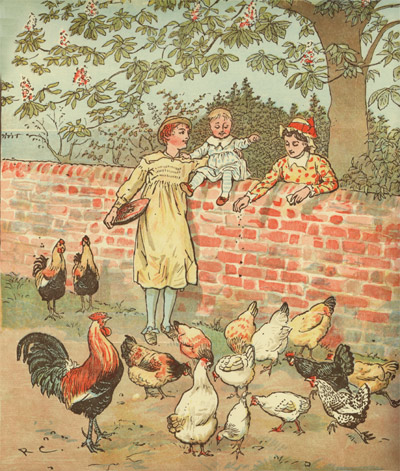
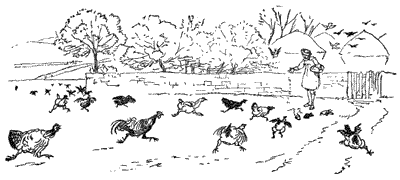
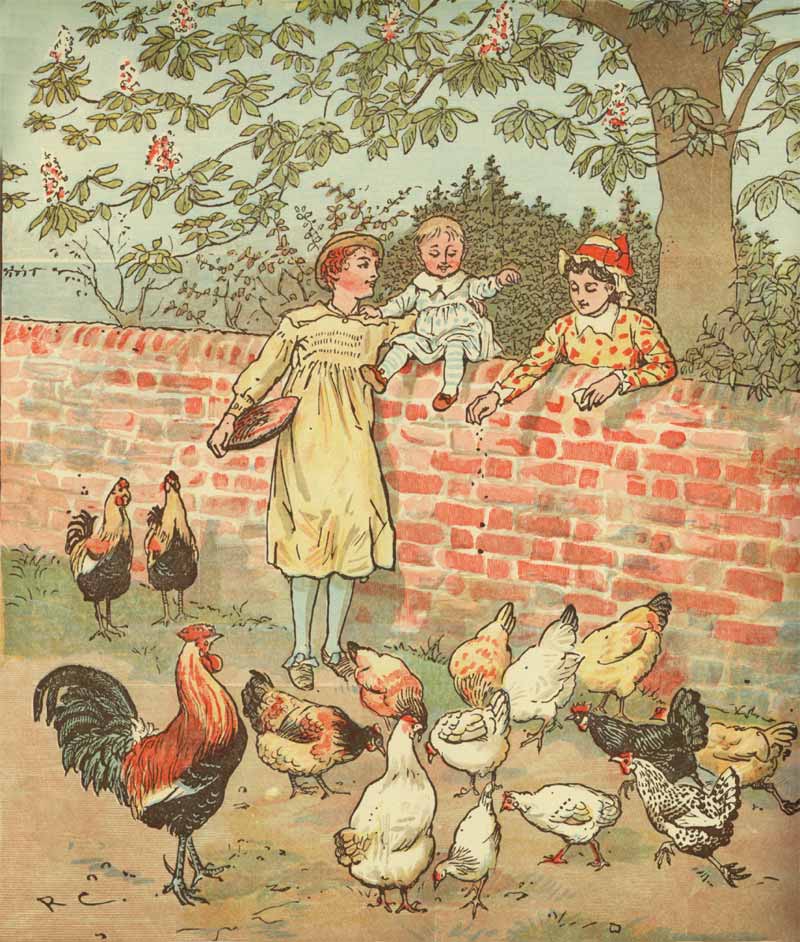
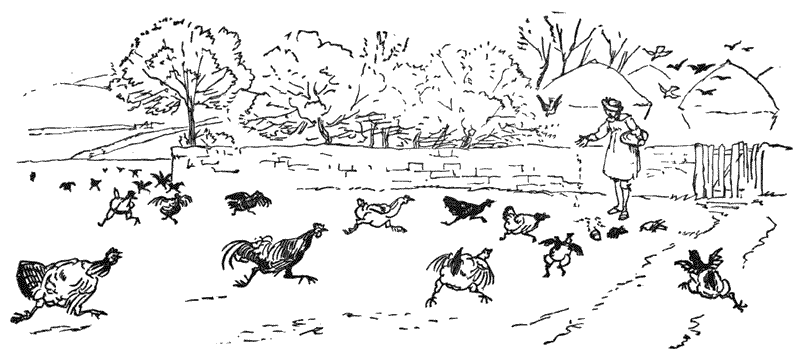
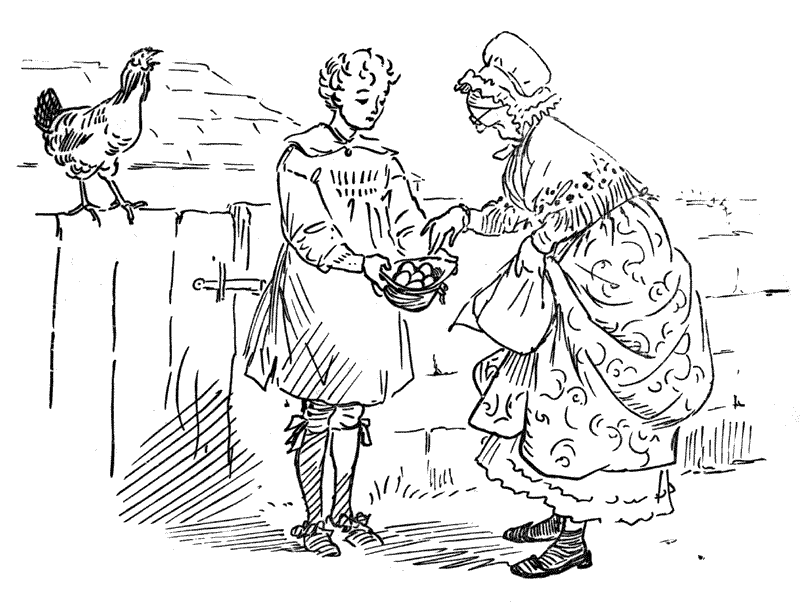
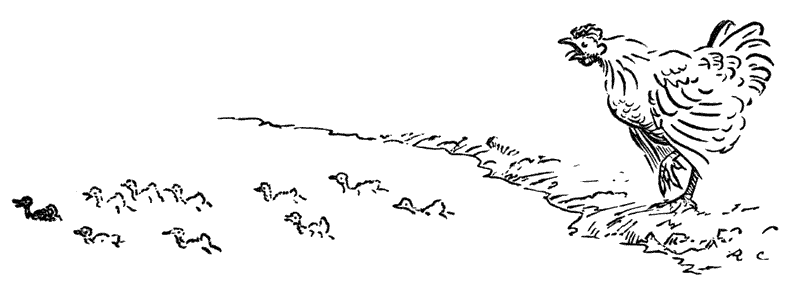
When I was a farmer, a Farmer’s Boy,
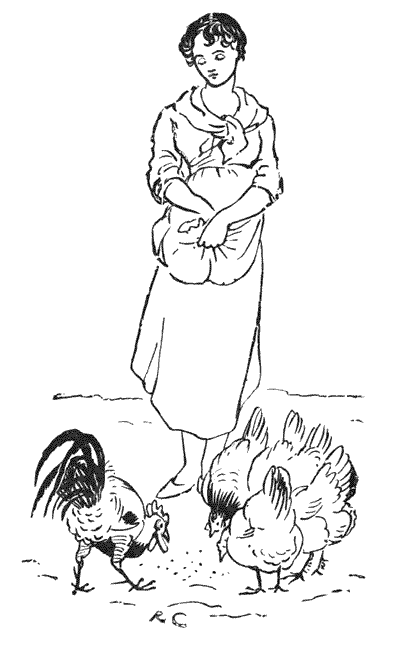
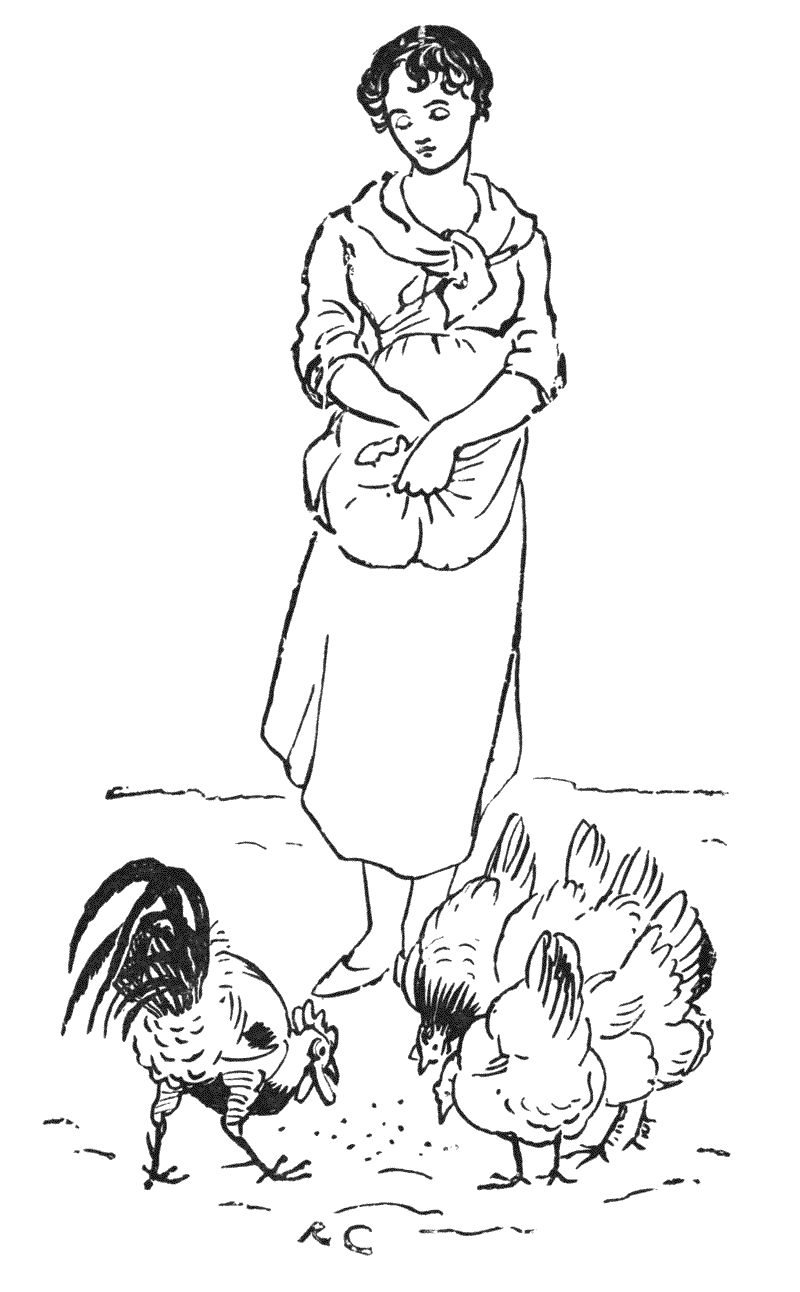
I used to keep my master’s HENS,
With a Chuck-chuck here, and a Chuck-chuck there,
And here a Chuck, and there a Chuck,
And everywhere a Chuck;
With a Baa-baa here, and a Baa-baa there,
And here a Baa, and there a Baa,
And everywhere a Baa;
With a Gee-wo here, and a Gee-wo there,
&c., &c., &c.
Says I, My pretty lass, will you come to the banks of the Aire oh?
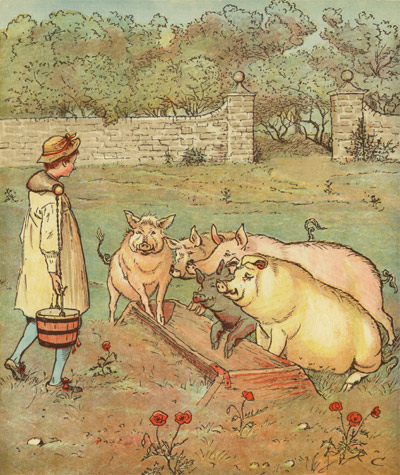
When I was a farmer, a Farmer’s Boy,
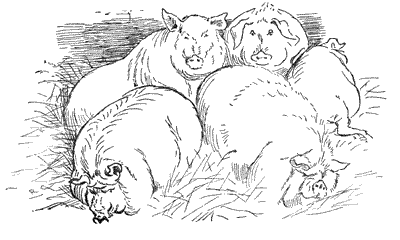
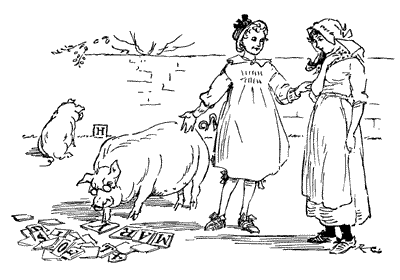
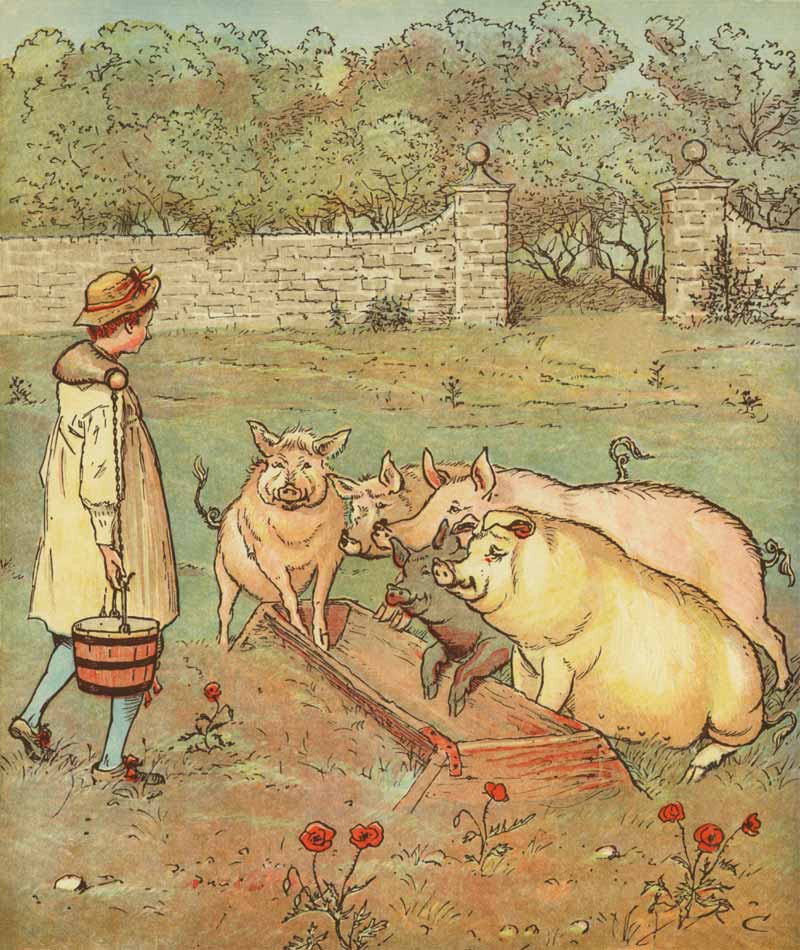
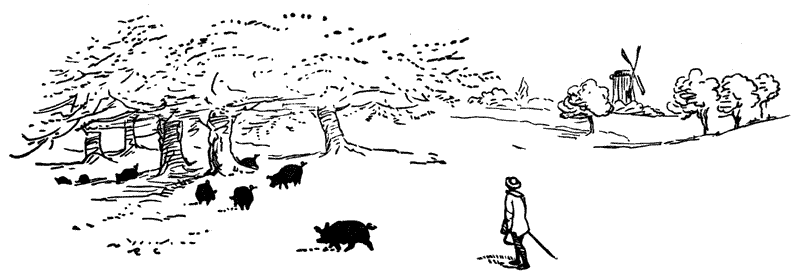
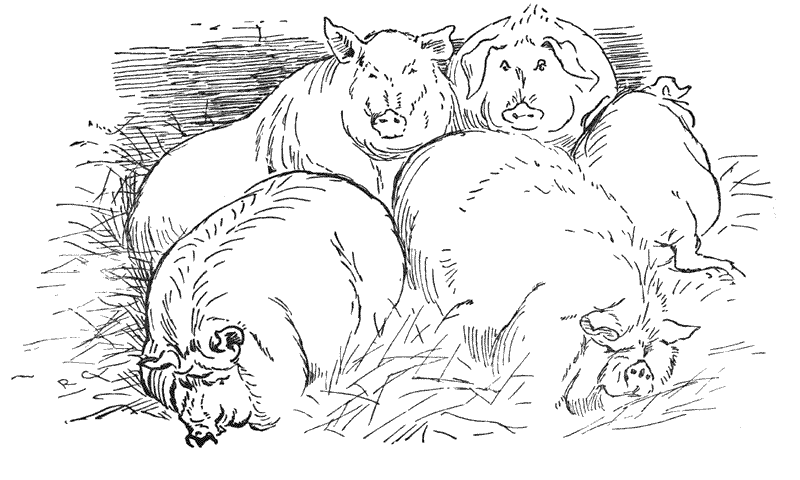
I used to keep my master’s PIGS,
With a Grunt-grunt here, and a Grunt-grunt there,
And here a Grunt, and there a Grunt,
And everywhere a Grunt;
With a Chuck-chuck here, and a Chuck-chuck there,
And here a Chuck, and there a Chuck,
And everywhere a Chuck;
With a Baa-baa here, and a Baa-baa there,
&c., &c., &c.
With a Gee-wo here, and a Gee-wo there,
&c., &c., &c.
Says I, My pretty lass, will you come to the banks of the Aire oh?
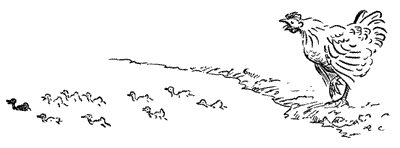
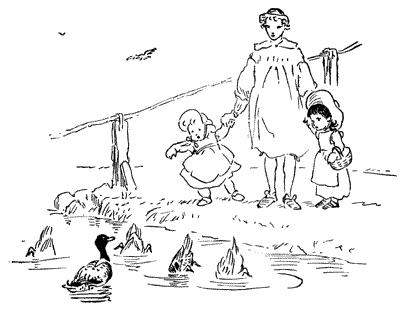
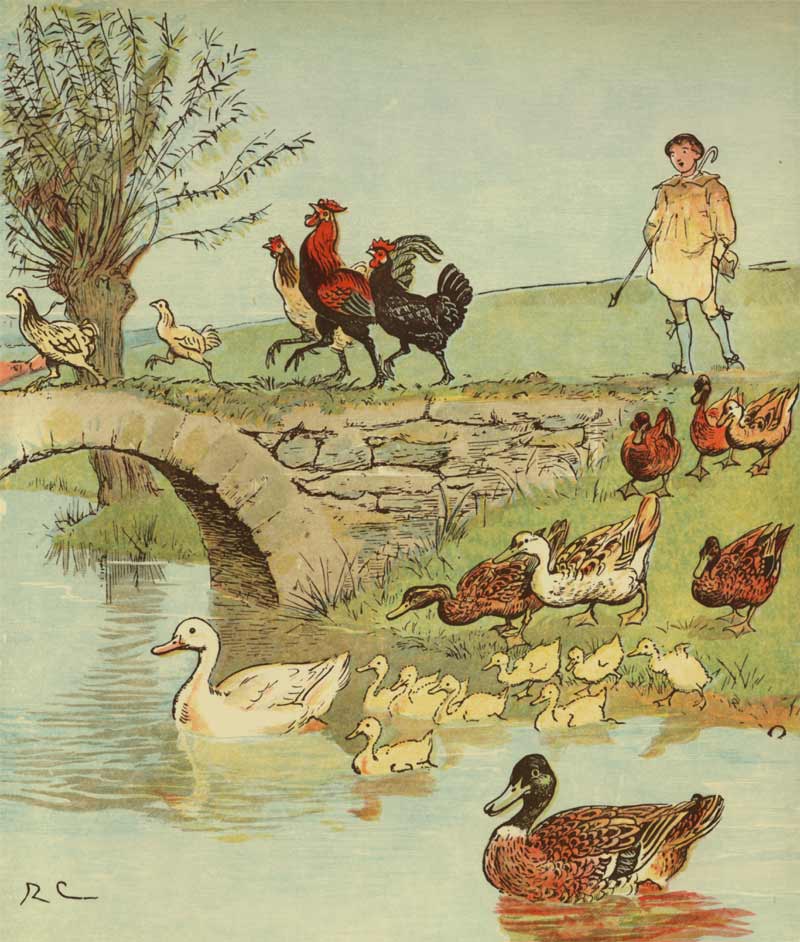
When I was a farmer, a Farmer’s Boy,
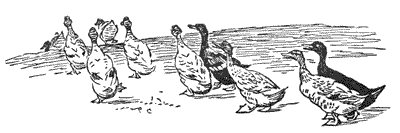
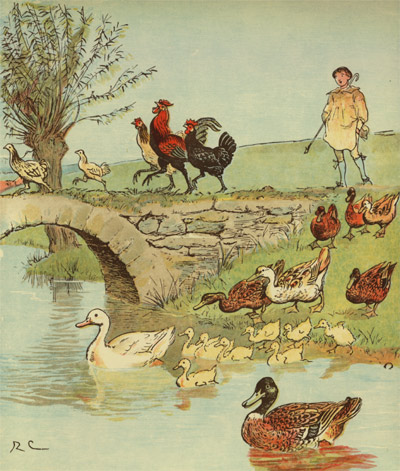
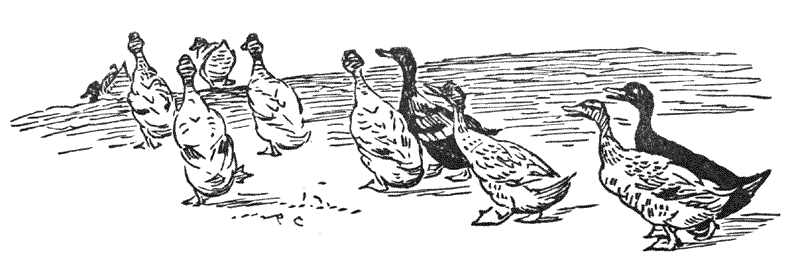
I used to keep my master’s DUCKS,
With a Quack-quack here, and a Quack-quack there,
And here a Quack, and there a Quack,
And everywhere a Quack;
With a Grunt-grunt here, and a Grunt-grunt there,
&c., &c., &c.
With a Chuck-chuck here, &c.
With a Baa-baa here, &c.
With a Gee-wo here, &c.
Says I, My pretty lass, will you come to the banks of the Aire oh?
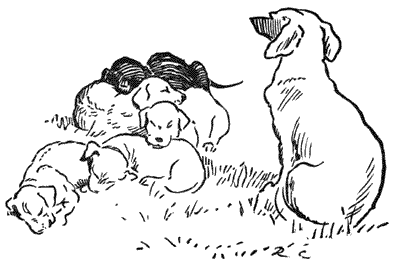
When I was a farmer, a Farmer’s Boy,
I used to keep my master’s DOGS,
With a Bow-bow here, and a Bow-wow there,
And here a Bow, and there a Wow,
And everywhere a Wow;
With a Quack-quack here, and a Quack-quack there,
&c., &c., &c.
With a Grunt-grunt here, &c.
With a Chuck-chuck here, &c.
With a Baa-baa here, &c.
With a Gee-wo here, &c.
Says I, My pretty lass, will you come to the banks of the Aire oh?
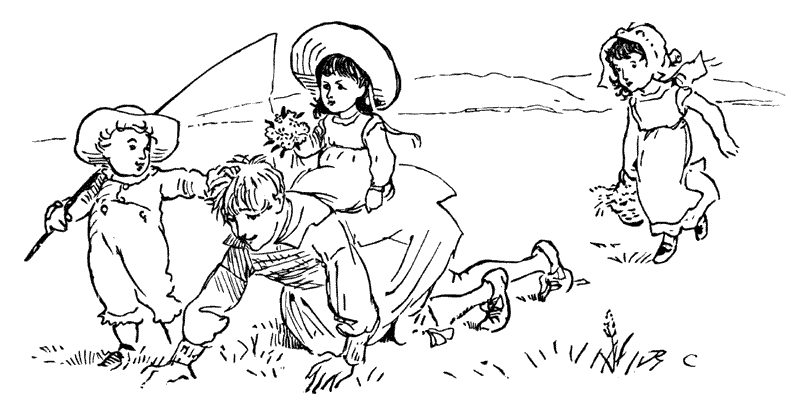
When I was a farmer, a Farmer’s Boy,
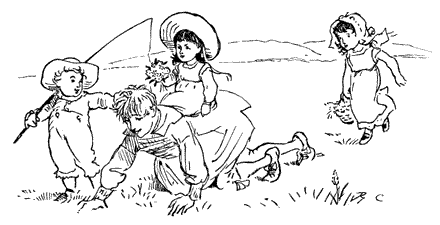
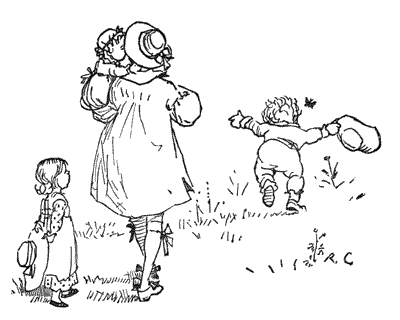
I used to keep my master’s CHILDREN,
With a Shouting here, and a Pouting there,
And here a Shout, and there a Pout,
And everywhere a Shout;
With a Bow-bow here, and a Bow-wow there,
&c., &c., &c.
With a Quack-quack here, &c.
With a Grunt-grunt here, &c.
With a Chuck-chuck here, &c.
With a Baa-baa here, &c.
With a Gee-wo here, &c.
Says I, My pretty lass, will you come to the banks of the Aire oh?
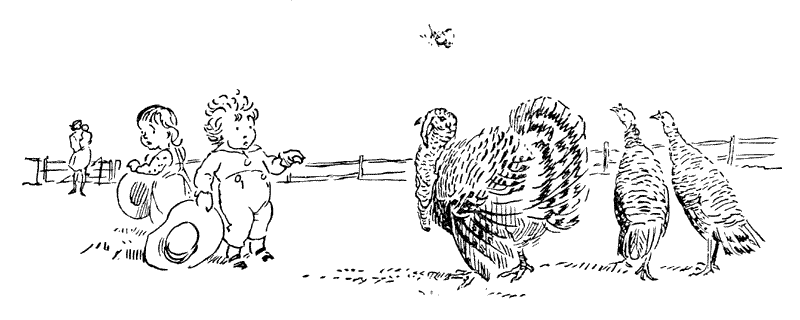
When I was a farmer, a Farmer’s Boy,
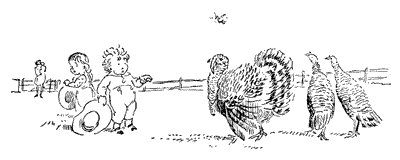
I used to keep my master’s TURKEYS,
With a Gobble-gobble here, and a Gobble-gobble there,
And here a Gobble, and there a Gobble,
And everywhere a Gobble;
With a Shouting here, and a Pouting there,
&c., &c., &c.
With a Bow-wow here, &c.
With a Quack-quack here, &c.
With a Grunt-grunt here, &c.
With a Chuck-chuck here, &c.
With a Baa-baa here, &c.
With a Gee-wo here, &c.
Says I, My pretty lass, will you come to the banks of the Aire oh?